







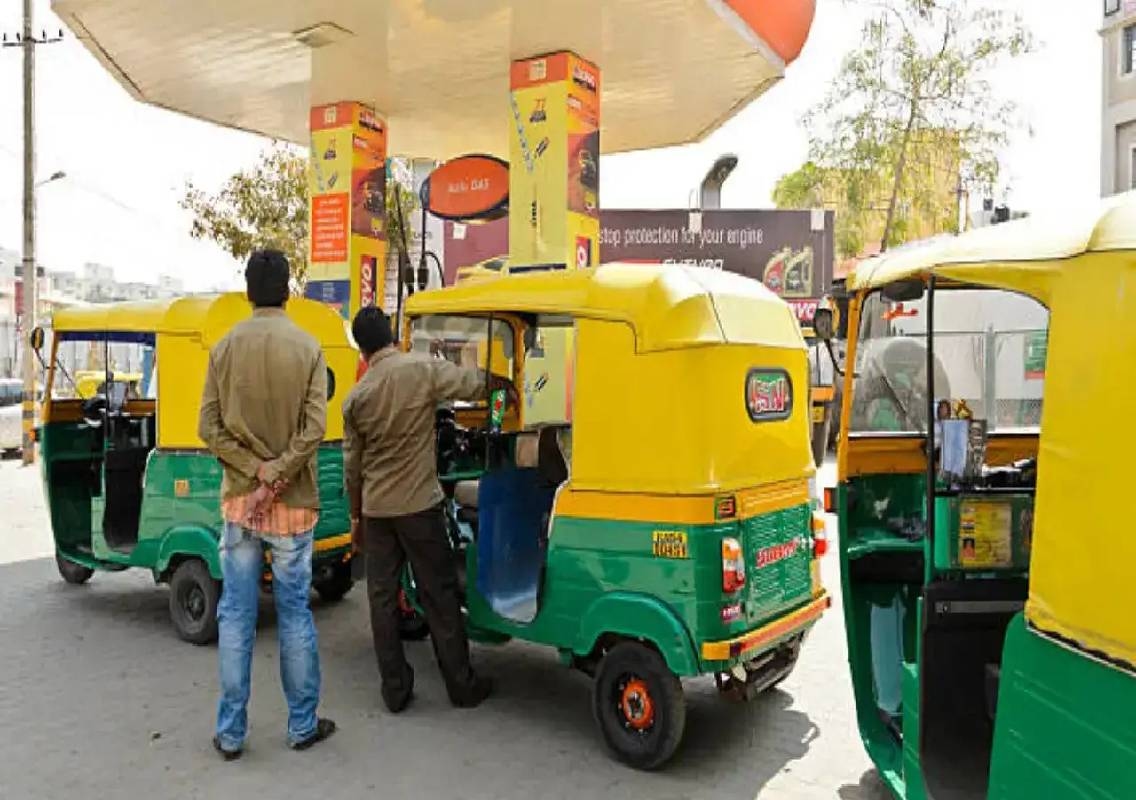


Mumbai: Compressed Natural Gas (CNG) has become costlier in Mumbai and adjoining areas after state-run Mahanagar Gas Limited (MGL) announced a fresh price hike of Rs 2 per kg. The revised rates came into effect from midnight on May 29, increasing the retail price from Rs 84 per kg to Rs 86 per kg.
The latest revision marks the second increase within a fortnight, adding to concerns among commuters and transport operators already dealing with rising fuel expenses.
New CNG rates effective across Mumbai region
The revised CNG price applies across the Mumbai Metropolitan Region (MMR), including Mumbai, Thane, Navi Mumbai, Kalyan and nearby areas served by MGL.
The company supplies CNG to a large network of consumers, including private vehicle owners, taxi operators, auto-rickshaw drivers and commercial transport fleets. The previous price revision was implemented on May 14, when CNG rates were similarly increased by Rs 2 per kg.
Apart from the Mumbai region, MGL also supplies gas in parts of Maharashtra and Karnataka, including Raigad, Ratnagiri, Latur, Osmanabad, Chitradurga and Davangere.
Impact on daily commuters and transport operators
The latest increase is expected to directly affect thousands of daily commuters who rely on CNG-powered taxis, auto-rickshaws and buses for transportation.
Transport operators may face higher operating costs, particularly those managing large fleets of commercial vehicles. Industry observers say repeated fuel price hikes often lead to increased pressure on fares and transportation charges.
Private vehicle owners using CNG as a more economical alternative to petrol and diesel will also experience higher monthly fuel expenses.
Similar hike announced in Delhi
The Mumbai price revision comes days after Indraprastha Gas Limited (IGL) increased CNG prices in Delhi by Rs 2 per kg. The revised Delhi rates became effective on May 26, continuing a series of recent fuel price adjustments in major metropolitan cities.
The back-to-back revisions in Delhi and Mumbai have raised concerns among consumers about the affordability of cleaner fuel options.
Fuel costs continue to rise
The increase in CNG prices follows recent hikes in petrol and diesel rates by oil marketing companies. Fuel prices have seen multiple upward revisions in recent weeks amid fluctuations in global crude oil markets.
Analysts attribute the trend to volatility in international energy prices and geopolitical tensions affecting global supply chains. Rising energy costs are being closely watched because of their impact on transportation, logistics and inflation.
For commercial transport operators, higher fuel costs could translate into increased expenses across various sectors of the economy.
Pressure on urban mobility
Mumbai and Delhi have among the largest CNG-powered transport networks in the country. Auto-rickshaws, taxis, buses and delivery vehicles in these cities depend heavily on CNG due to its lower emissions and relatively lower operating costs.
However, repeated price hikes could reduce some of the cost advantages associated with CNG, prompting concerns among operators and consumers alike.
Industry experts believe sustained increases may eventually influence transportation costs and urban commuting expenses if the trend continues.
Conclusion
The latest Rs 2 per kg hike has pushed Mumbai’s CNG price to Rs 86 per kg, adding to the financial burden on commuters and transport operators. With fuel prices continuing to rise across multiple categories, consumers are likely to keep a close watch on future revisions and their impact on household and business budgets.