







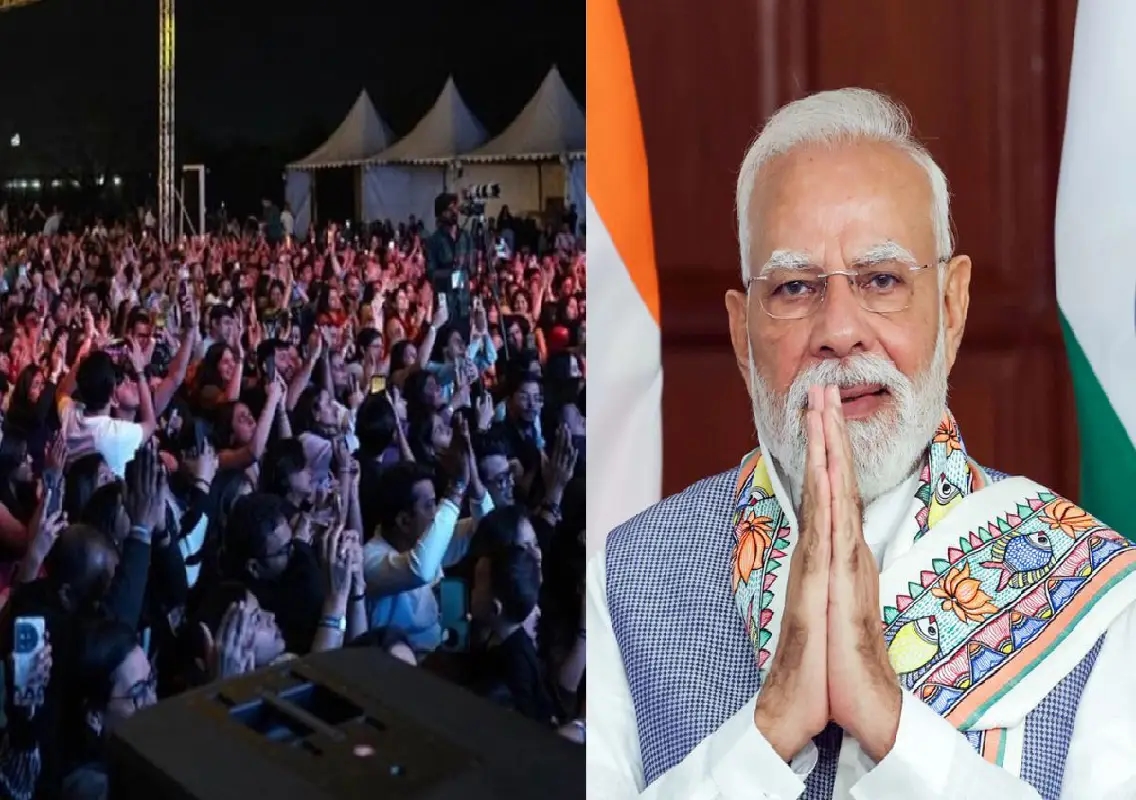


New Delhi: India’s Gen Z is reimagining spirituality in ways few could have predicted, blending devotion with dance floors, DJs and dazzling lights. One of the most striking cultural shifts to emerge in recent years is the rise of ‘bhajan clubbing’ — a trend that fuses traditional devotional music with the energy and aesthetics of modern club culture. What was once associated with quiet temple halls and early-morning prayers has now found a new avatar in packed venues pulsing with bass, laser lights and ecstatic crowds chanting ancient mantras in unison.
At its core, bhajan clubbing brings together timeless bhajans, kirtans and chants — such as the Hanuman Chalisa, Achyutam Keshavam and Radhe Krishna — with electronic dance music, live guitars, techno rhythms and concert-style production. Young attendees sway, dance and sing along, experiencing devotion not as solemn ritual, but as collective celebration.
PM Modi highlights the trend
The phenomenon received a major boost after Prime Minister Narendra Modi mentioned bhajan clubbing in the 130th episode of Mann Ki Baat. Praising the way young Indians are blending tradition with modern expression, the Prime Minister noted that the trend preserves the sanctity of bhajans while making them relevant to contemporary audiences.
His endorsement amplified national attention, with organisers reporting a sharp rise in interest and ticket sales soon after. Events began selling out faster than ever, cementing bhajan clubbing as more than just a niche cultural experiment.
A Gen Z-led spiritual movement
Primarily driven by Gen Z, the movement reflects a generational shift in how spirituality is experienced. Instead of structured rituals or sermons, bhajan clubbing focuses on “sober highs”, mindfulness and community bonding — deliberately steering away from alcohol, smoking and substance-driven nightlife.
The trend began gaining momentum during 2024–2025, resonating not only with college students but also with millennials seeking meaningful alternatives to conventional partying. For many, these events offer a space where faith, music and mental well-being intersect naturally.
Why bhajan clubbing is gaining popularity
Several social and cultural factors explain its rapid rise.
Reconnecting with roots
Young Indians are reclaiming their cultural and spiritual heritage, but on their own terms. Bhajan clubbing allows them to engage with devotional traditions in a way that feels modern, stylish and emotionally authentic.
Community over screens
In an era dominated by social media, bhajan clubbing offers real-world connection. Chanting and dancing together fosters a sense of belonging that many feel is missing in digital interactions.
Mental wellness and mindfulness
Participants often describe the experience as calming and therapeutic. The repetition of mantras, combined with rhythmic beats, creates a trance-like state that promotes emotional release and mindfulness.
Inclusivity and openness
These events are open to people of all ages, backgrounds and beliefs. There is no pressure to conform to rigid religious norms, making the space welcoming and non-judgmental.
A rave-like atmosphere with a devotional core
Visually and sonically, bhajan clubbing mirrors a full-fledged music festival. Neon visuals, synchronised lighting, laser shows and professional sound systems transform venues into immersive experiences. Viral videos circulating online show packed dance floors moving in unison, demonstrating that ancient bhakti can thrive even on a modern dance floor.
Events range from intimate café jam sessions to large-scale gatherings in auditoriums and clubs. Tickets typically cost between ₹699 and ₹1,300, making them accessible to a wide audience.
Cities and groups leading the trend
Major urban centres such as Ahmedabad, Mumbai, Delhi and Kolkata have become hubs for bhajan clubbing, with the trend now spreading internationally, including to the United States.
Several collectives and artists are at the forefront of this movement. These include the sibling duo Prachi and Raghav Aggarwal, the Delhi-based devotional rock group Keshavam, and Chennai’s Good Deeds Club, which hosts large-scale bhajan clubbing events focused on spirituality and social good.
Beyond music: a new form of spirituality
For many young people who feel disconnected from ritualistic religion, bhajan clubbing represents a broader reimagining of spirituality in modern India. It offers a space for self-expression, collective joy and inner peace without dogma.
Some organisers are also integrating wellness elements such as breathwork sessions, meditation breaks and eco-friendly practices, further aligning the movement with conscious living.
Conclusion
Bhajan clubbing is more than a passing trend — it reflects a deeper cultural shift in how India’s youth engage with faith, community and mental well-being. By transforming devotion into a shared, energetic experience, Gen Z has shown that spirituality can evolve without losing its essence. As ancient chants echo through modern sound systems, bhajan clubbing stands as a powerful reminder that tradition and innovation can dance together.