







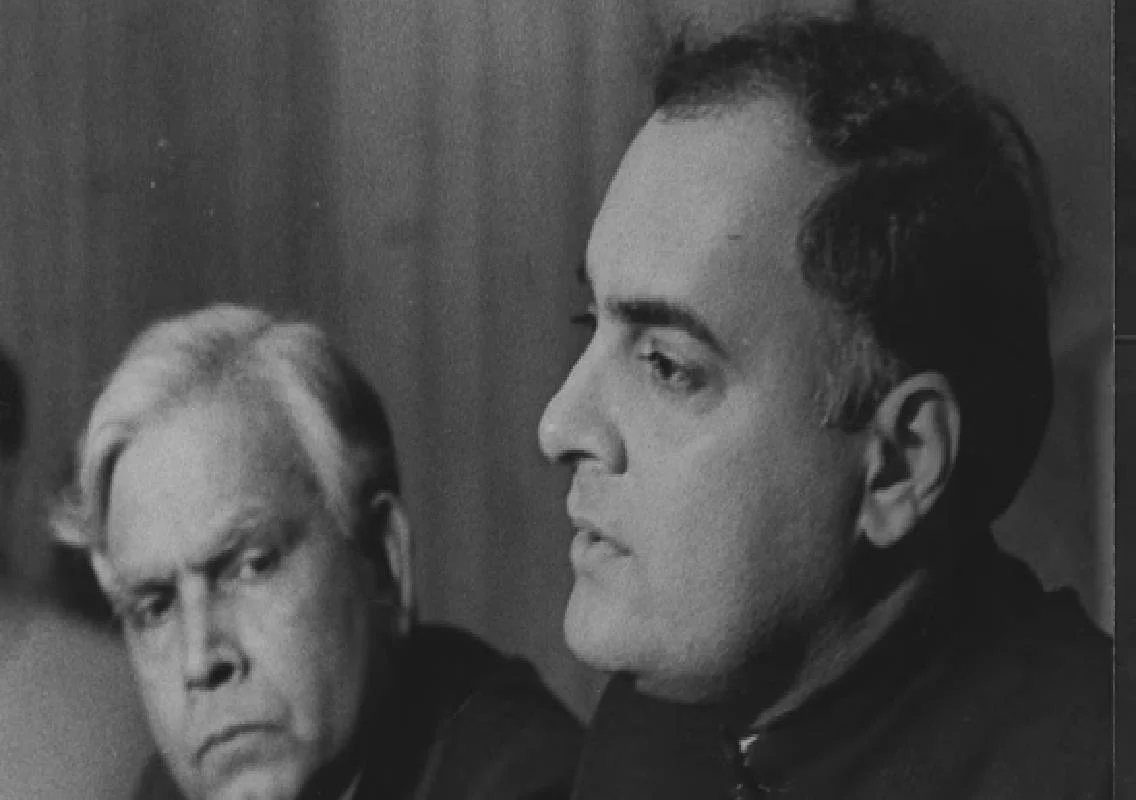


New Delhi: A political debate has intensified over women’s reservation and the proposed delimitation exercise, with the Congress asserting that the push for 33 per cent quota for women originated during the tenure of former Prime Minister Rajiv Gandhi.
Congress leader Akhilesh Prasad Singh on Thursday said that it was Rajiv Gandhi’s efforts that led to the introduction of reservation for women in local governance bodies such as village and district panchayats.
Congress claims legacy on women’s reservation
Speaking to reporters, Singh stated that the Congress has consistently supported reservation for women in legislative bodies, including the Lok Sabha and state assemblies.
He highlighted that Rajiv Gandhi had played a key role in pushing for 33 per cent reservation for women at the grassroots level, which later became a cornerstone of local governance reforms in India.
Singh also urged that the Women’s Reservation Bill should be implemented at the earliest, emphasising that it has long been part of the Congress party’s agenda.
Opposition to delimitation exercise
While backing women’s reservation, Singh voiced strong opposition to the Centre’s proposed delimitation exercise. He argued that the manner in which delimitation is being planned could have adverse political consequences and should be resisted.
The remarks come amid growing concerns among Opposition parties regarding the potential impact of delimitation on representation across states.
BJP backs women’s quota as Modi’s vision
On the other hand, Harsh Vardhan Shringla defended the initiative, stating that the implementation of women’s reservation aligns with the vision of Narendra Modi for women-led development.
Shringla described the Women’s Reservation Bill as one of the most significant legislative measures in recent years, stressing that adequate political representation for women is essential in a democracy.
He also asserted that all political parties should support the bill, adding that opposing it would amount to being against women’s representation.
Legislative push and upcoming Parliament session
The Centre has already approved draft amendment bills to operationalise the Nari Shakti Vandan Adhiniyam, which seeks to reserve one-third of seats in the Lok Sabha and state assemblies for women.
A special session of Parliament has been convened from April 16 to 18, during which these proposals are expected to be discussed.
The government is reportedly aiming to implement women’s reservation ahead of the 2029 General Elections. To achieve this, it plans to introduce constitutional amendments that would delink the implementation from the next census timeline.
Proposed increase in Lok Sabha seats
As part of the broader plan, the government has proposed increasing the total number of Lok Sabha seats from 543 to a potential 850.
Of these, around 815 seats are expected to be allocated to states, while the remaining 35 would be reserved for Union Territories. The expansion is linked to the delimitation exercise, which seeks to redraw constituencies and adjust representation based on population changes.
Broader political implications
The dual push for women’s reservation and delimitation has created a complex political landscape. While there is broad agreement on the need to enhance women’s representation, disagreements persist over how delimitation may alter the balance of political power among states.
The issue is likely to remain a focal point of political debate in the coming months, especially as Parliament takes up the proposed bills.
Conclusion
The discussion around women’s reservation has once again brought historical contributions and current political priorities into focus. While Congress has highlighted Rajiv Gandhi’s legacy in advancing women’s representation, the BJP has framed the legislation as part of a broader vision for inclusive development. As debates over delimitation continue alongside, the coming parliamentary session will be crucial in shaping the future of political representation in India.