







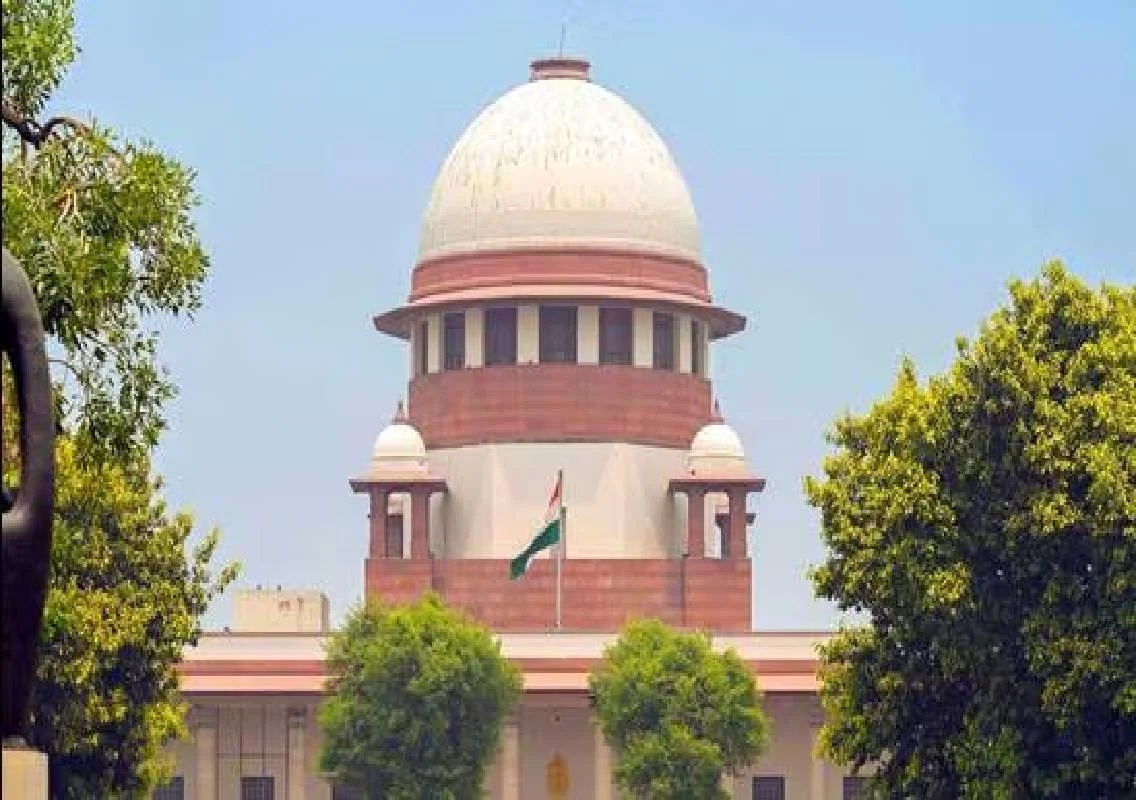


New Delhi: The Supreme Court of India has launched a nationwide initiative aimed at accelerating dispute resolution through mediation, unveiling “Supreme Court Action for Mediated Adjudication and Disputes Harmonisation Across Nation” (Samadhan Samaroh 2026).
The programme, which began on April 21, will run for four months and culminate in a special Lok Adalat scheduled between August 21 and 23. The initiative seeks to promote faster, consensual settlement of cases pending before the apex court.
Focus on participative justice
The Supreme Court, through a public notice, said the initiative is part of its vision to deliver “participative justice” and ensure “doorstep delivery of justice”. It has invited litigants, lawyers and other stakeholders to opt for amicable settlements through consent-based mechanisms.
Participants can register during the four-month window and attempt resolution through both physical and virtual modes before the final Lok Adalat sittings.
To streamline the process, the court has also established a dedicated coordination system, including a “war room” and an online portal for registrations and case tracking.
Addressing mounting case backlog
The move comes at a time when the Supreme Court is grappling with a significant backlog. As of April 2026, more than 94,000 cases are pending before the court.
By encouraging mediation and negotiated settlements, the initiative aims to reduce the burden on the judicial system while delivering quicker outcomes for litigants.
Legal experts note that such large-scale mediation efforts at the apex court level are relatively uncommon, as Lok Adalats are typically associated with district and lower courts.
Leadership push for mediation
The initiative is being spearheaded under the leadership of Chief Justice of India Surya Kant, who has consistently advocated for strengthening alternative dispute resolution (ADR) mechanisms in India.
CJI Kant has, in multiple public forums, emphasised the importance of mediation as a “game changer” for the judicial system. He has argued that mediation allows for mutually beneficial outcomes, unlike adversarial litigation, where one party typically loses.
Mediation as a reform strategy
The emphasis on mediation has been a recurring theme in judicial reform discussions. At various events, including the Hindustan Times Leadership Summit, the Chief Justice highlighted the role of mediation in preserving relationships and reducing litigation stress.
He has also pointed out that mediation processes should be accessible and conducted in a language and environment that is comfortable for litigants, making the justice system more inclusive.
At a symposium organised by the High Court Bar Association of Orissa, CJI Kant described mediation and other ADR methods as having “immense immediate potential” to address delays in the justice delivery system.
Call for cultural shift in litigation
While advocating structural reforms, the Chief Justice has also stressed the need for a broader cultural shift. He has urged litigants to view settlements not as a sign of weakness but as a strategic resolution.
He also called on government departments to reconsider their tendency to challenge every adverse order, noting that such practices contribute significantly to judicial backlog.
At an international conference organised by the Indian Council of Arbitration, he reiterated that mediation and arbitration must work together as complementary mechanisms to strengthen India’s position as a global dispute resolution hub.
A significant institutional step
The Samadhan Samaroh 2026 marks a notable effort by the Supreme Court to institutionalise mediation at the highest level of the judiciary. By integrating consensual dispute resolution into its functioning, the court aims to set a precedent for efficient and collaborative justice delivery.
Conclusion
The initiative reflects a broader shift in India’s legal system towards faster, more accessible and less adversarial methods of dispute resolution. If successful, it could significantly reduce case pendency and reshape how justice is delivered in the country.