







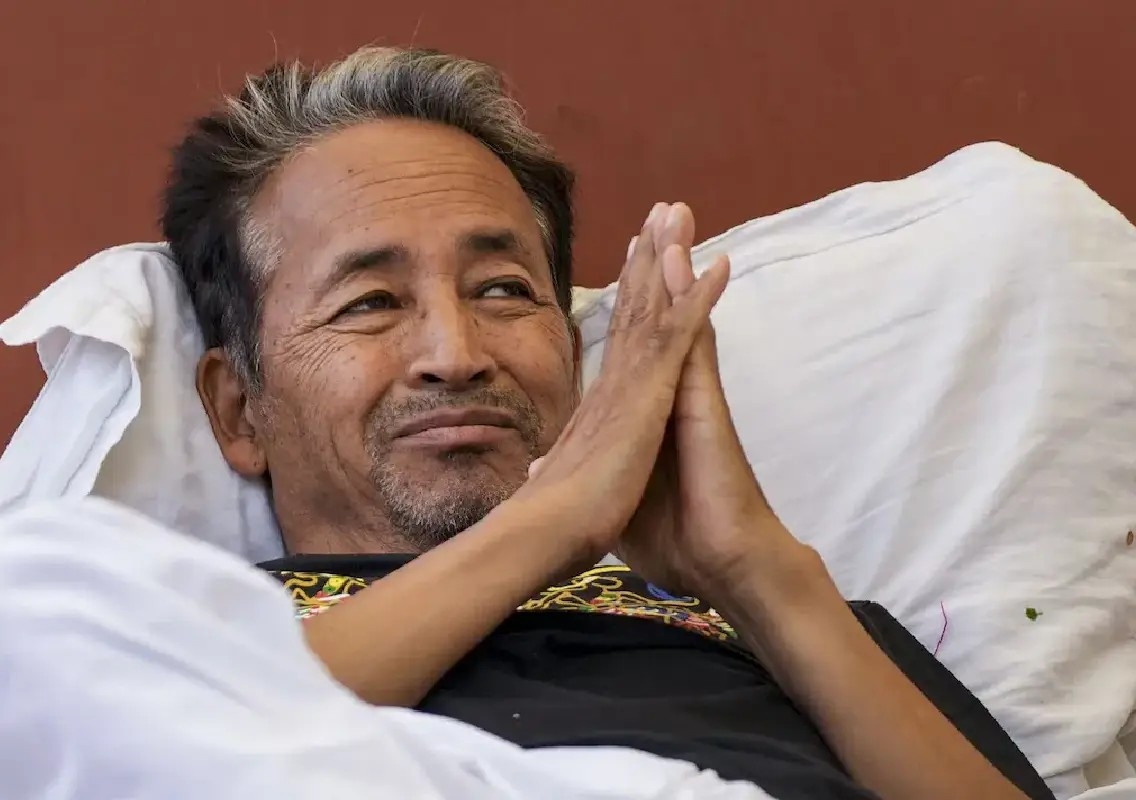


The removal of climate activist Sonam Wangchuk from a protest at Delhi’s Jantar Mantar by the Delhi Police and his subsequent admission to a hospital has sparked a political controversy, with Opposition parties accusing the Centre of suppressing democratic dissent.
Leader of the Opposition Rahul Gandhi criticised the police action, calling Wangchuk’s removal “wrong” and alleging that the BJP-led government had responded to public concerns with “asatya and hinsa” (lies and violence). Aam Aadmi Party (AAP) national convenor Arvind Kejriwal also condemned the move, saying the government should have engaged in dialogue instead of taking coercive action.
Right to protest is protected but subject to limits
The controversy has reignited debate over the constitutional right to protest. Under Article 19(1)(a) and Article 19(1)(b) of the Constitution, citizens have the right to freedom of speech and peaceful assembly.
However, these rights are subject to reasonable restrictions under Articles 19(2) and 19(3) in the interests of public order, security, sovereignty and public safety. Courts have repeatedly held that while peaceful protests are a cornerstone of democracy, authorities may impose lawful restrictions when necessary.
Police are legally empowered to disperse or remove protesters if gatherings violate prohibitory orders, threaten public safety, breach protest conditions or are declared unlawful. Any such action, however, must be proportionate and legally justified.
Hospitalisation based on medical advice
Questions have also been raised over Wangchuk’s transfer to hospital against his wishes. The Delhi Police said the decision was taken following directions from the Delhi High Court and on the advice of medical experts after his health reportedly deteriorated during the protest.
Earlier, the High Court had directed authorities to conduct daily medical examinations, observing that protecting a citizen’s life was of paramount importance.
While mentally competent adults generally have the right to decide whether to accept medical treatment, authorities may intervene if doctors believe there is an immediate and serious threat to life.
Debate likely to continue
The incident has highlighted the constitutional balance between an individual’s right to peaceful protest and the state’s responsibility to maintain public order and protect life.
Whether the police action was legally justified may ultimately be determined through judicial scrutiny if the matter is challenged in court.