







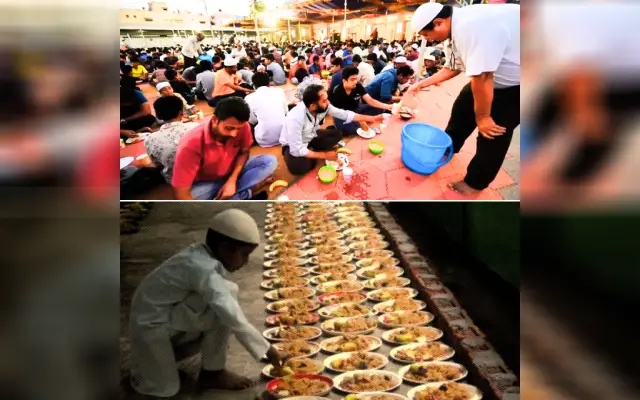


For four decades, Chennai’s Sufidar Temple has upheld a remarkable tradition—offering Iftar meals to fasting Muslims during Ramadan, reinforcing interfaith harmony. Established by Dada Ratanchand, a Hindu refugee from Sindh, the temple collaborates with volunteers from Hindu and Muslim communities to prepare meals for 1,200 people daily.
These meals are served at Wallajah Masjid, symbolizing India’s secular spirit. Esteemed figures like Prince Nawab Abdul Ali of Arcot commend this noble gesture for strengthening communal bonds.
A Temple’s Commitment to Compassion
Nestled in Mylapore, Chennai, the Sufidar Temple has become a symbol of unity, hosting Iftar meals each Ramadan. By 7:30 AM, volunteers gather to cook vegetarian dishes like biryani, saffron milk, and fresh fruits. Come evening, meals are transported to Wallajah Masjid and respectfully served by volunteers wearing traditional Muslim caps.
Prince Nawab Abdul Ali emphasized, “In a diverse country like India, mutual respect for religions is vital.”
A Legacy of Service
Founded by Dada Ratanchand, inspired by Sufi saint Shehanshah Baba Nebhraj Sahib, the temple walls showcase spiritual figures from multiple faiths. This tradition, initiated when Arcot royals entrusted Ratanchand, continues to thrive.
Driven by volunteers like Ramdev, who left his business to serve, the initiative reflects selfless devotion. Beneficiaries, like Jamila, express gratitude for this act of kindness.
This extraordinary tradition fosters unity, proving that compassion transcends boundaries.
Read Also: