







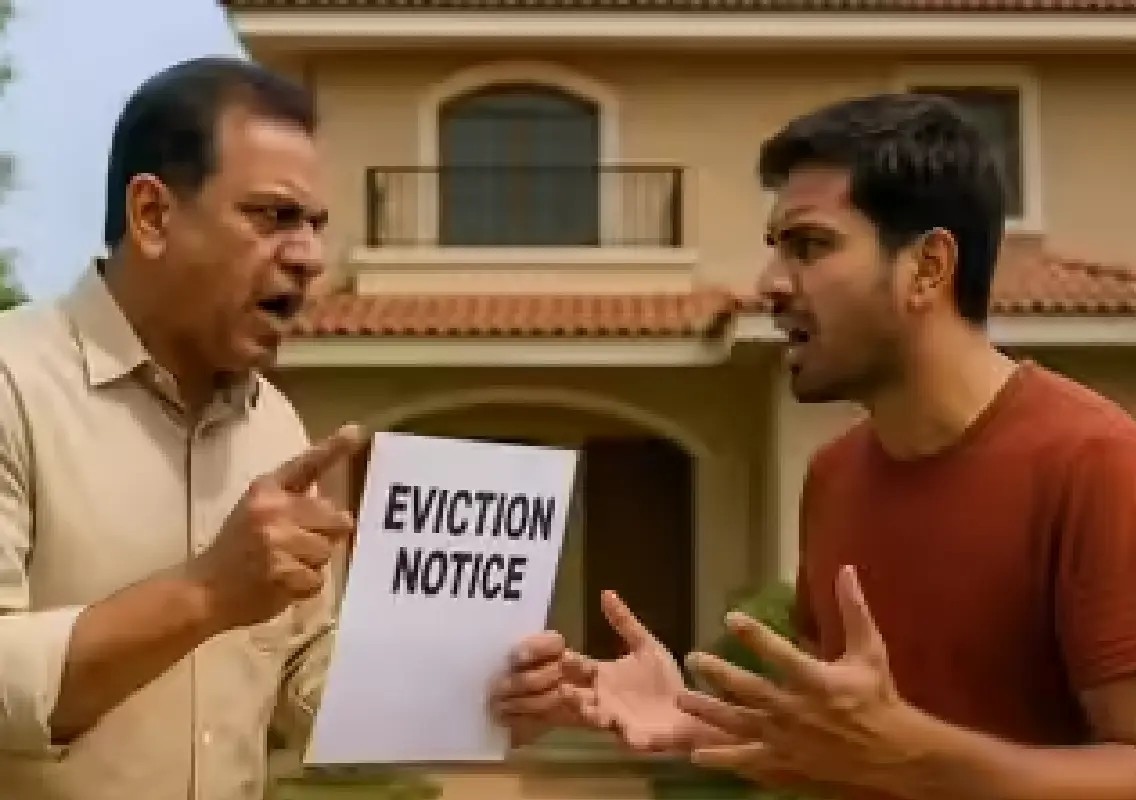


In a significant ruling, the Supreme Court of India has held that legal heirs of a deceased landlord can continue pending tenant eviction proceedings and also amend the case to claim the property for their own bona fide use.
The judgment is expected to bring major relief in long-pending landlord-tenant disputes across the country.
Case related to Mumbai shop
The dispute concerned a 188-square-foot shop in Mumbai owned by Raghunath Gopal Deshmukh.
In 2005, the landlord had filed an eviction suit stating that the premises were required for his genuine use, occupation and enjoyment for himself and family members.
The tenant opposed later changes to the plea, arguing that the eviction claim was based only on the landlord’s personal requirement and could not be altered after his death.
What the court ruled
The Supreme Court observed that the right to seek eviction does not end with the landlord’s death and legally passes on to the heirs.
It further said that once heirs step into the landlord’s position in an ongoing case, they must be allowed to present their own requirement for the premises.
Fresh case would cause delay
The court noted that denying such amendments would force legal heirs to file a fresh eviction case, leading to unnecessary delay and prolonged litigation.
It clarified that updating the petition to reflect heirs’ bona fide need does not change the nature of the original case.
Relief for property owners
Legal experts believe the ruling may help many families involved in prolonged tenancy disputes, especially in cities where rent-control matters often continue for years.