







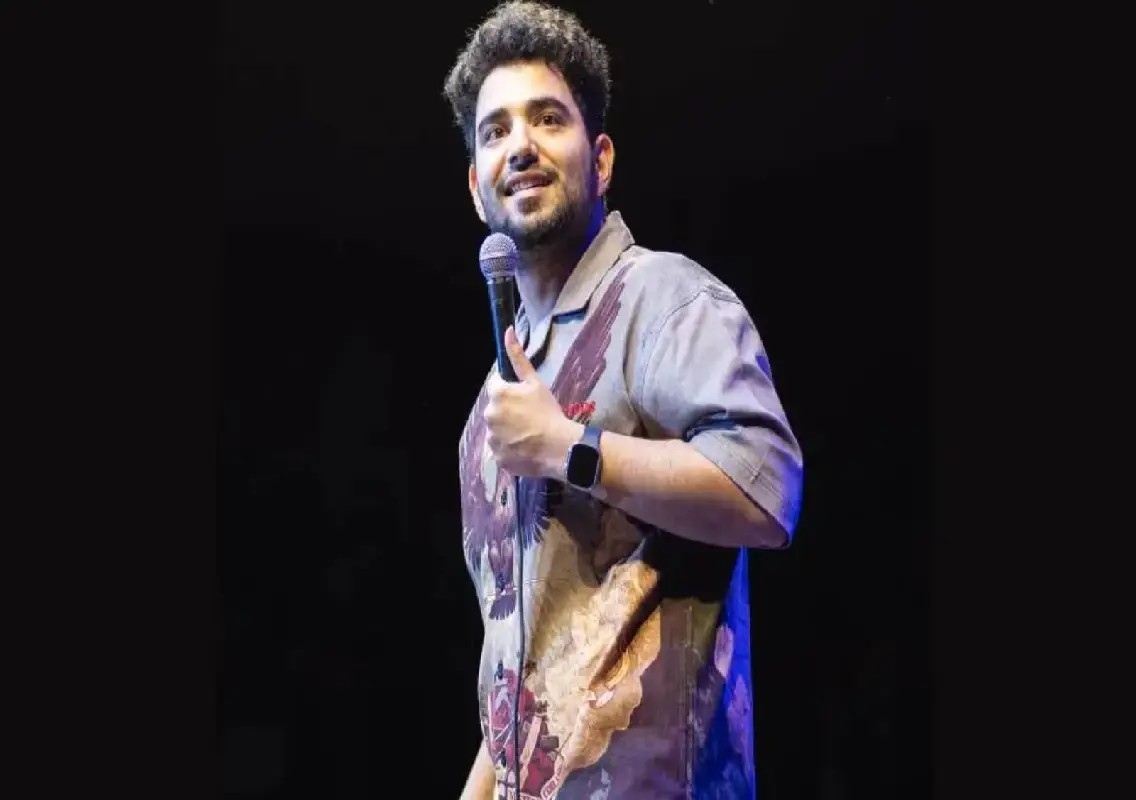


New Delhi: The Supreme Court on Friday quashed criminal proceedings against comedian Samay Raina and four other comedians over insensitive remarks concerning persons with disabilities made on the comedy show ‘India’s Got Latent’.
A Bench headed by Chief Justice of India Surya Kant took note of the comedians’ subsequent efforts to support the disability community, including organising awareness initiatives and fundraising events. The court observed that such positive steps could lead to constructive outcomes and appreciated the efforts made by the accused.
The proceedings against comedians Vipul Goyal, Balraj Paramjeet Singh Ghai, Sonali Thakkar and Nishant Jagdish Tanwar were also quashed.
Supreme Court notes positive efforts
The court appreciated the initiatives undertaken by the comedians following the controversy. It noted that they had organised events aimed at raising awareness and funds for persons with disabilities.
The Bench observed that genuine efforts in a positive direction could produce positive results and described the accused as “very bright youngsters”.
The court’s decision came after considering the steps taken by the comedians in response to the controversy and their engagement with organisations working for persons with disabilities.
Case related to remarks on India’s Got Latent
The criminal proceedings stemmed from remarks made during an episode of ‘India’s Got Latent’ in November 2024.
Samay Raina and the other comedians faced allegations over comments considered insensitive towards persons with disabilities. The matter subsequently reached the Supreme Court, which examined not only the criminal proceedings but also the broader issue of safeguards for online content involving vulnerable communities.
The court had previously taken note of the controversy and directed the comedians to undertake constructive activities aimed at supporting persons with disabilities.
Chess tournament for persons with disabilities
One of the initiatives highlighted before the Supreme Court was a chess tournament organised for persons with disabilities in March.
The event received considerable media attention and helped raise awareness about organisations working for people with disabilities. These included organisations supporting people affected by Spinal Muscular Atrophy (SMA), a rare genetic condition.
The court considered the initiative while assessing the subsequent conduct of the accused comedians.
The Bench also took note of a constructive conversation between the comedians and Cure SMA India Foundation, which was aimed at increasing awareness about the rare genetic disorder.
Remarks about infant with SMA
The controversy surrounding Samay Raina had included remarks concerning a two-month-old infant suffering from SMA and the reported cost of life-saving treatment.
The comments had drawn criticism from disability rights advocates and organisations working with families affected by rare diseases.
The Supreme Court’s consideration of the subsequent awareness and fundraising activities formed an important part of its decision to close the criminal proceedings against the five comedians.
Criminal proceedings quashed
In its order, the Supreme Court said the matter concerning the accused comedians was closed and quashed the criminal proceedings against them.
The court also set aside related proceedings concerning the respondents covered by the order.
However, the Bench did not close the broader legal issue concerning online content and the protection of persons with disabilities.
The court said it would consider suggestions from persons with disabilities regarding safeguards for online content and issue appropriate directions on the larger issue.
Broader issue remains before court
While granting relief to Raina and the four other comedians in this case, the Supreme Court has kept the wider question of safeguards for online content open.
The court is expected to consider suggestions from persons with disabilities and organisations representing them before issuing directions.
The move indicates that the judgment is not limited to the individual criminal proceedings. It also addresses the need for responsible digital content and appropriate safeguards for vulnerable groups.
The court’s approach seeks to balance freedom of expression and online creativity with the need to prevent harmful or degrading content targeting persons with disabilities.
Earlier directions imposed on comedians
In November 2025, the Supreme Court had directed Samay Raina and the other comedians to organise at least two events every month to raise funds for a corpus for persons with disabilities.
They were also directed to encourage persons with disabilities to participate in their programmes.
The subsequent initiatives undertaken by the comedians were taken into consideration by the court while deciding the latest proceedings.
The court’s observations indicate that constructive engagement and tangible support for the affected community played a role in the decision to grant relief.
Separate case involving Ranveer Allahbadia remains
The latest order does not bring an end to all legal proceedings involving Samay Raina.
Raina and some others continue to face another case relating to an objectionable remark made by YouTuber Ranveer Allahbadia, popularly known as BeerBiceps, during the ‘India’s Got Latent’ controversy.
The separate matter concerns remarks about a contestant’s parents and remains distinct from the proceedings quashed by the Supreme Court on Friday.
Allahbadia’s plea seeking relief in the cases against him also remains pending. The Supreme Court had earlier granted him interim protection from arrest.
Court focuses on responsible online content
The latest development provides relief to Raina and the four other comedians in the disability-related case while keeping the larger question of online content regulation under judicial consideration.
The court’s emphasis on awareness, fundraising and constructive engagement highlights the importance of responsible communication when content involves vulnerable communities.
The broader directions expected from the Supreme Court could have implications for how online creators and entertainment platforms approach content involving persons with disabilities.