







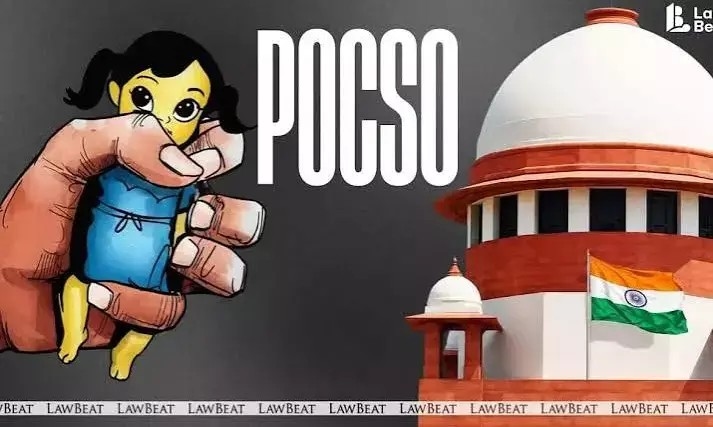


New Delhi : The Supreme Court has set aside an order of the Calcutta High Court and quashed a case registered under the Protection of Children from Sexual Offences (POCSO) Act against a West Bengal teacher.
The case concerned allegations arising from an incident in which the teacher had beaten a student. The Supreme Court examined whether the alleged act could be treated as a sexual offence under the provisions of the POCSO Act.
The court concluded that the alleged act of corporal punishment, in the circumstances of the case, did not constitute sexual assault as defined under the legislation.
POCSO provisions examined
The judgment underlines the importance of establishing the essential ingredients of an offence before invoking stringent provisions of the POCSO Act.
The law is intended to protect children from sexual offences and provides specific definitions for different forms of sexual abuse. The Supreme Court’s decision therefore focused on whether the conduct alleged against the teacher fell within the statutory definition of sexual assault.
By quashing the proceedings, the apex court effectively rejected the application of the POCSO provisions to the conduct described in the case.
Decision offers legal clarity
The ruling also distinguishes between corporal punishment and conduct that legally amounts to a sexual offence. While corporal punishment involving a child may raise other legal or disciplinary concerns, the court’s decision makes clear that every act of physical punishment cannot automatically be treated as sexual assault under POCSO without the necessary statutory elements being established.
The judgment is significant for the interpretation and application of child-protection legislation, particularly in cases where allegations involve disciplinary actions by teachers.
The Supreme Court’s ruling brings the POCSO proceedings against the West Bengal teacher to an end while reinforcing the need for courts to assess allegations strictly within the framework of the law.