


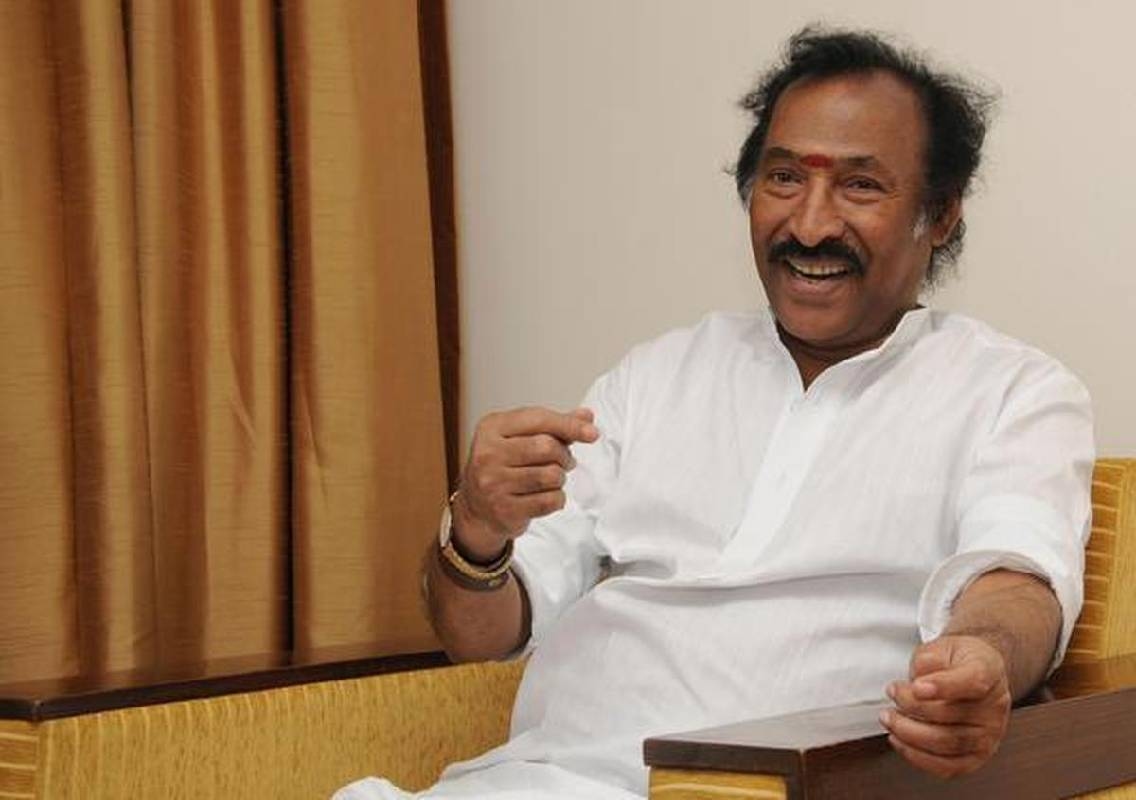


Chennai: Veteran Tamil film music director Deva, affectionately known as Thenisai Thendral, passed away at the age of 75 on Saturday, October 17, 2026, according to reports. The celebrated composer was reportedly admitted to Surya Hospital earlier in the morning.
Born Devanesan Chokkalingam, Deva was one of the prominent music composers in Tamil cinema, particularly during the 1990s. His songs became an integral part of Tamil film music, earning him a special place in the hearts of audiences across generations.
His passing marks the loss of a musician whose compositions helped shape the sound of Tamil cinema for decades. From energetic commercial film tracks to memorable romantic melodies, his music accompanied countless moments in the lives of listeners.
Songs that defined an era of Tamil cinema
Deva became widely recognised for his work in several successful Tamil films, including Baashha, Annamalai, Aasai, Kadhal Kottai, Vaalee and Kushi.
His compositions for these films showcased his ability to create music for different moods and storytelling styles. The powerful songs associated with Rajinikanth’s Baashha and Annamalai became popular among fans, while the melodies from films such as Aasai and Kadhal Kottai resonated with romantic film audiences.
His work continued to connect with listeners beyond the films for which the songs were composed. Many of his tracks remained popular through radio broadcasts, cassette collections, television programmes and later digital music platforms.
For audiences who grew up during the 1990s, Deva’s music became part of everyday life, accompanying school days, family gatherings, bus journeys and celebrations.
Bringing Chennai’s gaana music to the big screen
One of Deva’s notable contributions to Tamil film music was his role in popularising Chennai’s distinctive gaana style in mainstream cinema.
Rooted in the city’s neighbourhood culture, gaana is known for its rhythmic energy, colloquial lyrics and direct connection with everyday experiences. Deva incorporated elements of the style into film soundtracks, helping introduce it to a wider audience.
His music reflected the diversity of Tamil cinema, moving between folk-inspired rhythms, lively commercial numbers and romantic compositions. This versatility helped him establish a recognisable identity within the industry.
His work also demonstrated how music rooted in local culture could find a broad audience through cinema, allowing Chennai’s distinctive musical traditions to reach listeners far beyond the city.
Awards and recognition
Deva’s contribution to Tamil cinema earned him recognition, including the Kalaimamani honour from the Tamil Nadu government and the Tamil Nadu State Film Award for Best Music Director.
These honours reflected his standing in the regional film industry and his contribution to Tamil film music.
Over the course of his career, he worked on numerous film projects and created songs that became closely associated with the actors, stories and eras in which they appeared. His compositions remain familiar to listeners who continue to revisit the soundtracks of classic Tamil films.
A musical legacy that lives on
For many residents of Chennai, Deva’s songs evoke memories that extend beyond the cinema screen. His music recalls childhood afternoons, old cassette players, tea shops, crowded buses and the familiar sounds of neighbourhood streets.
His compositions continue to reach new listeners, while long-time fans return to the songs that accompanied important moments in their lives.
Deva’s legacy lies not only in his filmography or awards but also in the lasting connection his music established with audiences. His songs remain part of Tamil cinema’s musical memory, reflecting the energy, romance and cultural identity of the films for which he composed.
As fans remember Thenisai Thendral Deva, his melodies stand as a reminder of the enduring power of music to connect generations. Though his passing marks the end of a life devoted to composition, the songs he created will continue to be heard and cherished.