







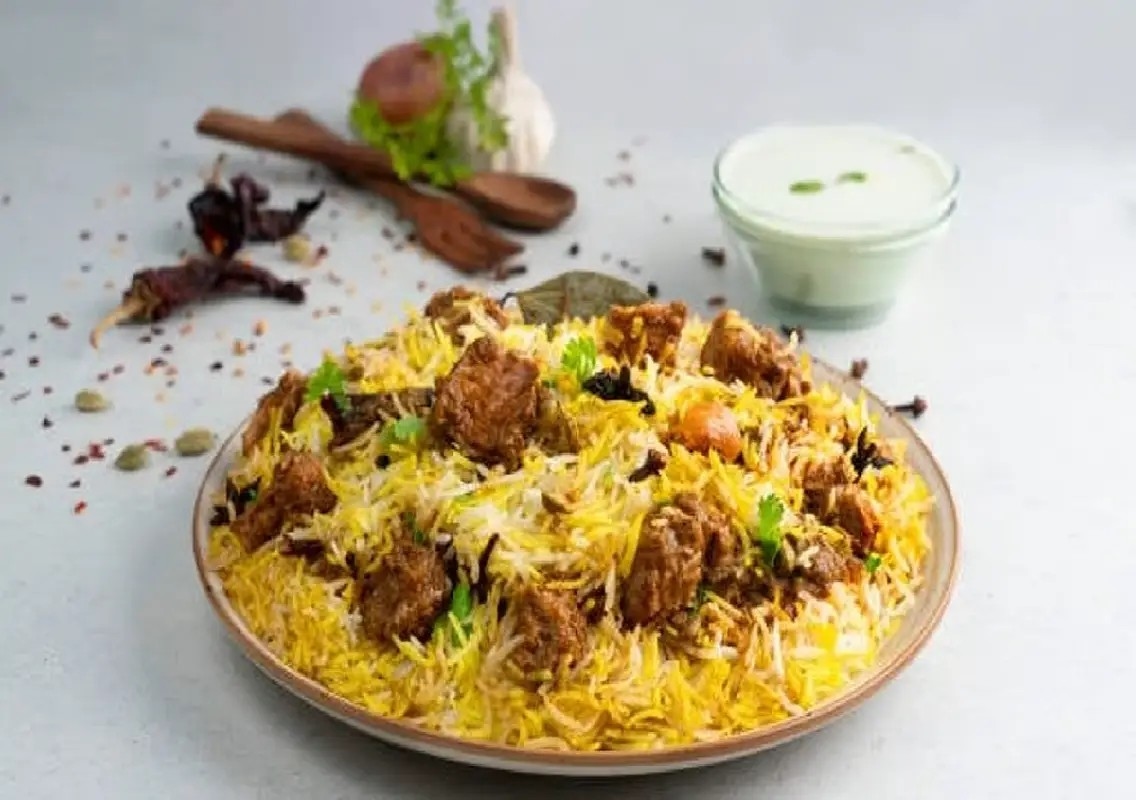


Chennai: The Tamil Nadu government is considering a proposal to serve chicken biryani once a week to students in government schools under the Mid-Day Meal Scheme, in a move aimed at further strengthening child nutrition and encouraging school attendance.
School Education Minister Rajmohan said he has proposed the idea to Chief Minister C Joseph Vijay, who is currently examining the suggestion. No final decision has been taken so far.
If approved, the proposal would mark one of the most significant additions to Tamil Nadu’s school meal programme in recent years, continuing the state’s long-standing focus on improving the nutritional value of meals served in government schools.
Proposal placed before Chief Minister
Speaking about the initiative, Rajmohan said successive governments in Tamil Nadu have consistently strengthened the state’s school nutrition programmes.
He noted that every major political era had contributed to expanding and improving the scheme.
“Kamarajar introduced the Mid-Day Meal Scheme, Kalaignar Karunanidhi added eggs, MGR transformed it into the Nutritious Meal Programme, and Jayalalithaa expanded egg distribution throughout the week. Likewise, I have a wish to introduce chicken biryani once a week in government schools,” the minister said.
Government sources said the proposal is under consideration by Chief Minister C Joseph Vijay, but a final decision is yet to be made.
Legacy of Tamil Nadu’s school nutrition programme
Tamil Nadu is widely regarded as a pioneer in implementing school nutrition programmes in India.
The Mid-Day Meal Scheme was first introduced by former Chief Minister K Kamaraja during the 1950s with the objective of improving school enrolment, reducing dropout rates and addressing child malnutrition.
Over the decades, successive governments expanded the programme by increasing both the nutritional content and the variety of food served to students.
The inclusion of eggs, enhanced meal quality and improved infrastructure have made Tamil Nadu’s school nutrition programme a model for several other states.
Breakfast scheme strengthened nutrition
In September 2022, the then DMK government introduced the Chief Minister’s Breakfast Scheme, which was later renamed the Perunthalaivar Kamarajar Breakfast Scheme.
The initiative provides breakfast to primary school students attending government schools.
Together with the Mid-Day Meal Scheme, the programme ensures that children receive two nutritious meals during the school day, helping improve both nutritional outcomes and classroom attendance.
Officials have stated that the breakfast programme has received a positive response from students, parents and teachers across the state.
Chicken biryani proposal under review
If the latest proposal receives approval, students in government schools would be served chicken biryani once every week as part of the Mid-Day Meal Scheme.
The proposal is intended to improve dietary diversity while making school meals more appealing to students.
However, officials have not yet announced details regarding implementation, funding requirements or nutritional guidelines for the proposed addition.
A final decision is expected after the state government completes its evaluation.
Breakfast menu may also be revised
Apart from the biryani proposal, Rajmohan also announced plans to improve the existing breakfast menu served in government schools.
He noted that the present allocation is approximately Rs 15 per student, and said the government intends to introduce more nutritious and appealing meal options.
According to the minister, repetitive menu items such as wheat upma and rava upma could be replaced with a wider range of healthier alternatives to provide better nutrition and increase student satisfaction.
The proposed revisions are part of the government’s broader effort to enhance the quality of school nutrition programmes.
Focus on nutrition and attendance
School meal programmes play a significant role in addressing child malnutrition while encouraging regular attendance in government schools.
Nutrition experts have long emphasised that balanced meals help improve children’s physical growth, concentration levels and learning outcomes.
Successive governments in Tamil Nadu have therefore continued to expand and strengthen school feeding programmes as part of their education and public health policies.
Conclusion
The proposal to introduce chicken biryani once a week reflects Tamil Nadu’s continued emphasis on enhancing school nutrition programmes. While the plan remains under consideration, it underscores the state’s efforts to improve the quality and appeal of meals served in government schools. The government is also exploring changes to the breakfast menu, signalling a broader push to provide healthier and more varied meals for students.