







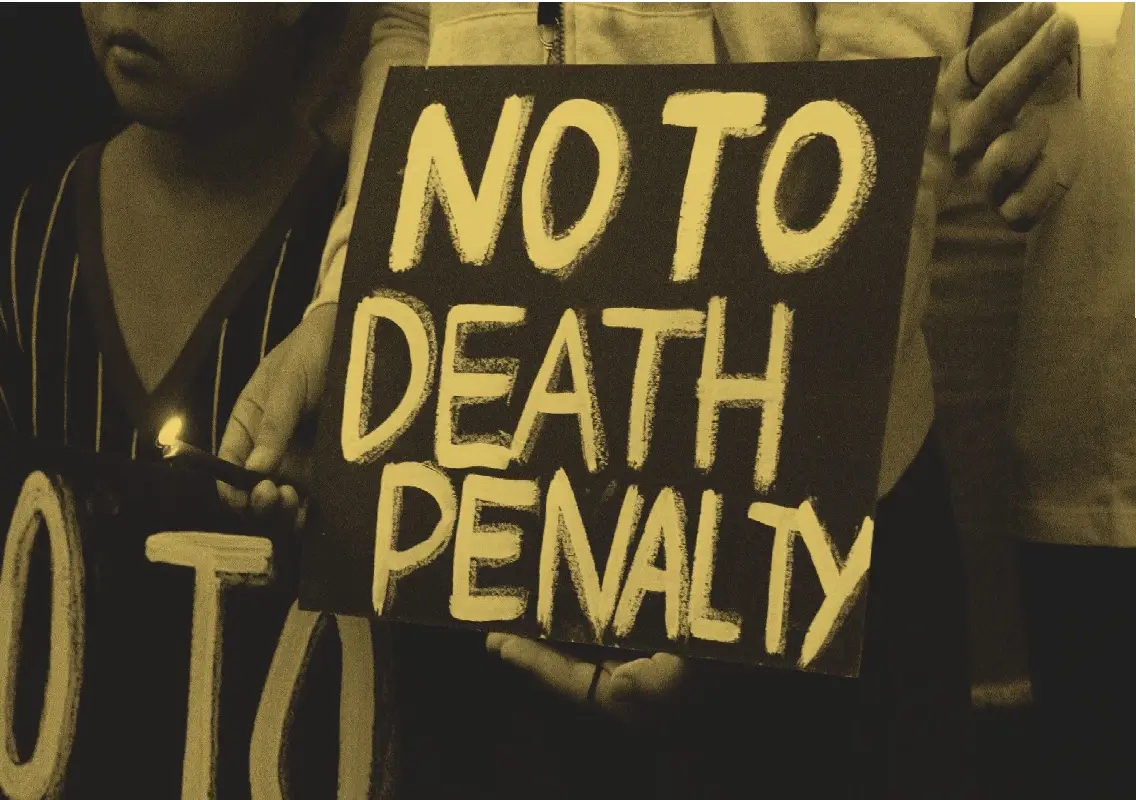


The United Nations has renewed its call for the universal abolition of the death penalty, warning that a sharp global rise in executions last year violated international human rights standards and risked the execution of innocent people.
Executions rising despite global norms
According to the Office of the United Nations High Commissioner for Human Rights (OHCHR), the increase in capital punishment in 2025 was largely driven by executions for drug-related offences, crimes committed by juveniles, and acts that did not meet the threshold of “most serious crimes” under international law.
The International Covenant on Civil and Political Rights (ICCPR), ratified by 175 countries, protects the right to life and restricts capital punishment to exceptional circumstances in countries that have not abolished it.
“The death penalty is not an effective crime-control tool, and it can lead to the execution of innocent people,” said Volker Türk, adding that it is often applied arbitrarily and discriminatorily.
Geography of death penalty use
OHCHR data shows that capital punishment remains widespread across regions. In Iran, at least 1,500 executions were reported in 2025, nearly half linked to drug offences. Saudi Arabia recorded at least 356 executions, 78 per cent for drug-related crimes.
In Israel, proposed legislation seeks to expand the death penalty with provisions applicable exclusively to Palestinians. Afghanistan continued public executions, while the United States carried out 47 executions — its highest figure in 16 years.
Executions were also reported in Somalia and Singapore.
Encouraging reforms noted
Despite the grim figures, the UN highlighted positive steps. Zimbabwe abolished the death penalty for ordinary crimes, while Malaysia reduced death row numbers through resentencing. Kenya, Pakistan and Vietnam also initiated reforms.
So far, 170 countries have abolished or suspended capital punishment, reinforcing what the UN calls a “clear global movement” towards ending the death penalty.