









New Delhi: China “opportunistically” used the India–Pakistan conflict in May to test, showcase and promote its modern defence capabilities, according to a new report by the bipartisan US-China Economic and Security Review Commission. Released on Tuesday, the annual report says Beijing treated the four-day conflict as a real-world opportunity to assess its weapons, influence regional dynamics and strengthen defence sales.
The commission stated that China leveraged the situation to “test and advertise the sophistication of its weapons, useful in the contexts of its ongoing border tensions with India and its expanding defence industry goals”. It added that this was the first instance where several advanced Chinese systems saw active combat use.
Chinese systems tested during conflict
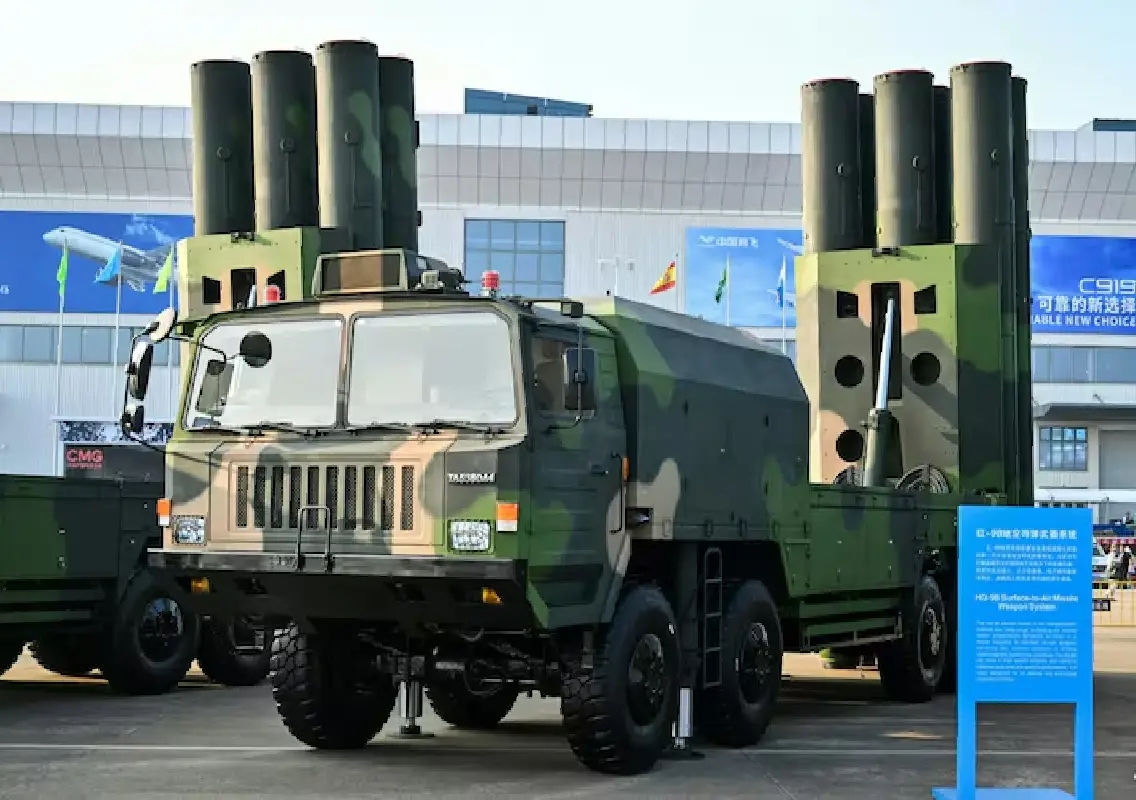
According to the report, the HQ-9 air defence system, PL-15 air-to-air missiles and J-10 fighter aircraft were deployed operationally during the clash. The use of these systems, it said, served as a “field experiment”, giving China insights into their performance in a live conflict environment.
Following the hostilities, Beijing reportedly offered Pakistan a package of advanced weapons, including 40 J-35 fifth-generation fighter jets, KJ-500 aircraft and ballistic missile defence systems. The commission noted that Chinese embassies around the world subsequently praised the “successes” of these systems in the India–Pakistan clash, portraying them as evidence of Chinese technological reliability in order to boost foreign sales.
US commission warns against “proxy war” label
While highlighting China’s strategic use of the conflict, the commission cautioned that describing the May confrontation as a “proxy war” would exaggerate Beijing’s role. It said China did not instigate the conflict but used it to further its own military and industrial ambitions.
Disinformation campaign targeting Rafale jets
The report also revealed that China allegedly ran a “disinformation campaign” to undermine the French Rafale fighter jet after the conflict. Citing French intelligence inputs, the commission said China used fake social media accounts to circulate AI-generated and video-game-based images, falsely portraying them as debris of Rafales destroyed by Chinese weapons.
Additionally, Chinese embassy officials reportedly persuaded Indonesia to halt a Rafale purchase already in progress, promoting the Chinese J-35 as an alternative. The alleged campaign was aimed at disrupting French defence exports and redirecting buyers toward Chinese platforms.
Beijing dismissed the US commission’s findings, calling them baseless. “This so-called commission always harbours ideological bias against China and has no credibility,” Chinese Foreign Ministry spokesperson Mao Ning said. “The commission’s report itself is disinformation.”
Background to the May conflict
The India–Pakistan confrontation began after a terror attack in Jammu and Kashmir’s Pahalgam on 22 April, which killed 26 people. India traced cross-border links to the perpetrators and launched Operation Sindoor on 7 May, targeting multiple terror camps in Pakistan and Pakistan-occupied Kashmir.
Pakistan responded with large-scale missile and drone attacks, which Indian forces intercepted. India retaliated by striking airfields in Pakistan. The brief but intense hostilities ended on 10 May following a ceasefire agreement.
Looking ahead
The commission’s findings add a new layer to global assessments of China’s military conduct, especially regarding how Beijing uses regional conflicts to advance its weapons programmes. The report is expected to shape future US policy debates on China’s defence strategy and its growing influence in South Asia.