







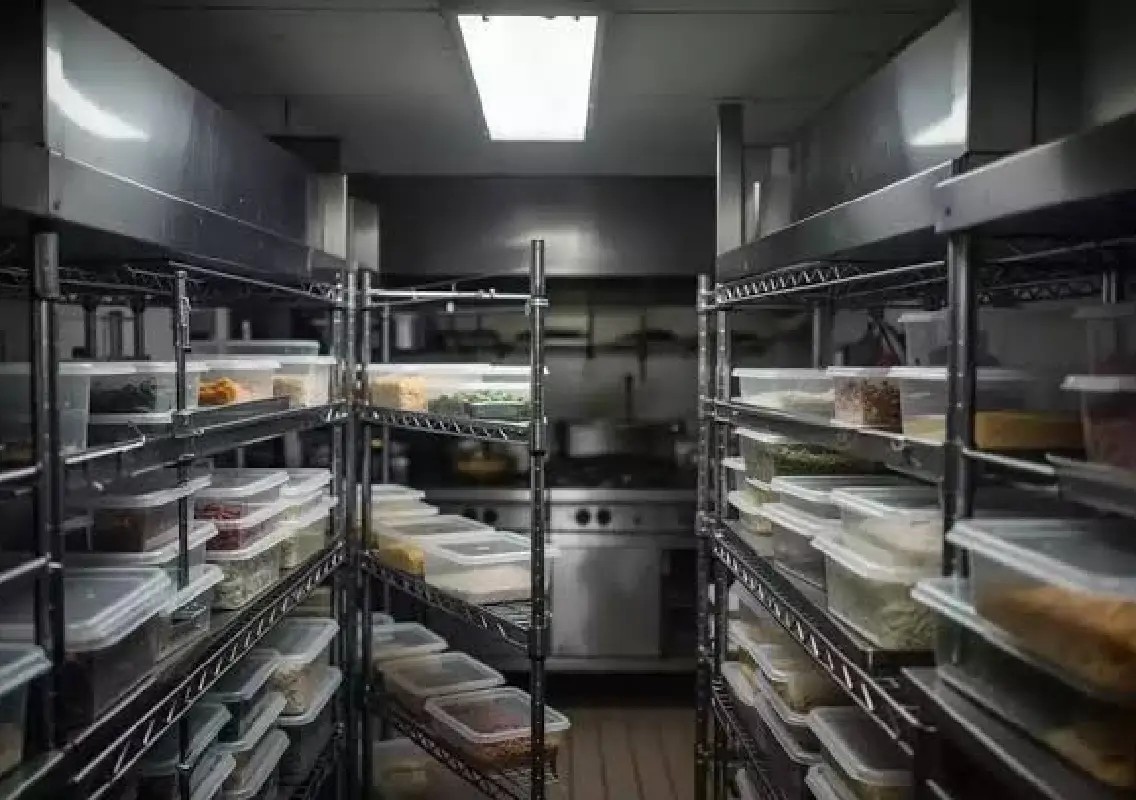


A new force is emerging in India’s fight against unsafe food practices — social media users. Viral videos and posts showing unhygienic kitchens, pest infestations and poorly stored food are increasingly drawing public attention and putting pressure on authorities to act.
The growing online scrutiny has coincided with a wider enforcement drive targeting restaurants, hotels, warehouses and other food businesses across the country.
One viral post can bring inspectors
The pattern is becoming increasingly familiar. A shocking video sparks public outrage, consumers file complaints and regulators investigate.
Recent inspections have reportedly uncovered flies, rats and cockroaches, along with expired or adulterated ingredients and improper storage practices. Some inspections have followed complaints submitted through official government portals.
Young consumers, who increasingly eat outside the home and order food online, have become particularly vocal about hygiene standards.
Maharashtra leads the enforcement drive
The campaign gained momentum in Maharashtra following the appointment of Tukaram Mundhe as commissioner of the state Food and Drug Administration.
The Maharashtra FDA has conducted more than 3,000 spot checks since May, with action taken against establishments ranging from restaurants and fast-food outlets to exclusive clubs.
The drive has also spread to other states, including Karnataka and Jammu and Kashmir.
According to data from the Food Safety and Standards Authority of India, regulators have conducted more than 24,000 raids since April, highlighting the scale of the current scrutiny.
Festive season puts food safety in focus
The crackdown comes just as India enters its busy festive period, when spending on restaurants, sweets, packaged food and other products typically rises sharply.
Quick-commerce warehouses and major packaged-food companies have also come under regulatory scrutiny over alleged hygiene and labelling violations.
While consumers welcome stronger enforcement, restaurant industry representatives have urged authorities to balance action with education and give businesses opportunities to correct shortcomings.
Social media changes the way complaints are heard
The growing connection between online outrage and official action is changing how consumers raise food-safety concerns.
A complaint that once might have stayed within a family or appeared as a private review can now reach millions of people within hours. For consumers, that visibility can provide a powerful way to demand accountability.
For regulators and food businesses, however, the challenge is to turn viral attention into lasting improvements in hygiene, storage and food safety — rather than short-lived action after every online controversy