







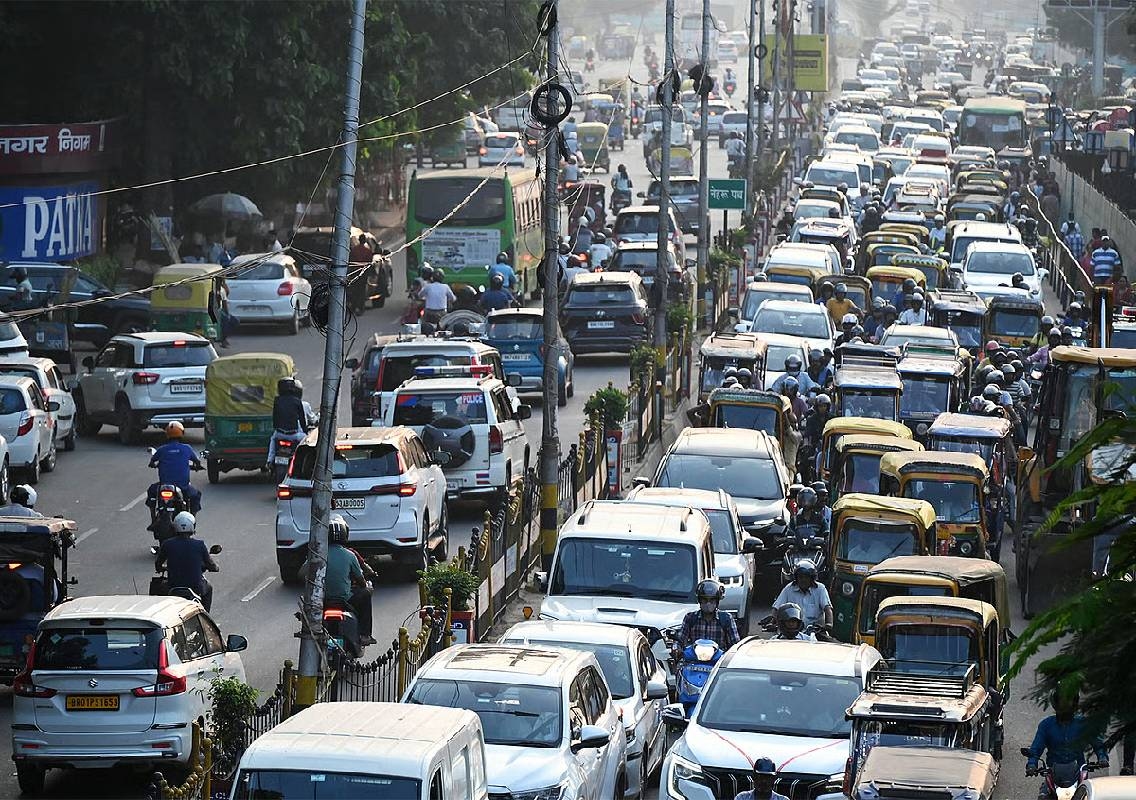


Bengaluru: The Bengaluru Traffic Police have announced restrictions on the movement of goods vehicles, two-wheelers and autorickshaws on six major flyovers and elevated corridors in the city. The move is aimed at improving road safety, reducing fatal accidents and easing traffic congestion.
The restrictions will be introduced in phases from September 4, with the Electronic City Elevated Corridor coming under the new rules from September 11. The traffic police said the decision followed a review of accidents, congestion and vehicle movement on the city’s elevated roads.
Restrictions to begin from September 4
The first set of restrictions will come into force on September 4 on the BGS Flyover, Peenya Elevated Corridor, Double-Decker Flyover between Silk Board and Ragigudda, and International Airport Road Elevated Corridor.
The Electronic City Elevated Corridor will have separate restrictions from September 11.
The traffic police said the restrictions were introduced after assessing several factors, including the design and width of flyovers, accident patterns, traffic congestion caused by vehicle breakdowns and congestion near entry and exit points.
BGS Flyover
The BGS Flyover on Mysuru Road will see restrictions on goods vehicles.
Heavy goods vehicles will not be permitted on the flyover, while other goods vehicles and goods autorickshaws will face restrictions during specified peak periods.
The move is intended to prevent slow-moving and heavy vehicles from affecting traffic flow on the elevated stretch, particularly during busy hours.
Peenya Elevated Corridor
The Peenya Elevated Corridor will also have restrictions on goods vehicles.
Heavy and medium goods vehicles will face restrictions, while other categories will be regulated during peak traffic periods.
The corridor is an important connection for commuters travelling through the Tumakuru Road side of Bengaluru and frequently experiences heavy traffic volumes.
Electronic City Elevated Corridor
The restrictions on the Electronic City Elevated Corridor will be among the most extensive.
Two-wheelers will not be allowed on the elevated corridor, while passenger autorickshaws and goods autorickshaws will also face restrictions.
Goods vehicles will be prohibited during specified hours.
The restrictions on this corridor will come into effect from September 11.
International Airport Road corridor
The International Airport Road Elevated Corridor will also see major changes.
Two-wheelers will be completely restricted from using the elevated stretch. Passenger autorickshaws will also face restrictions.
Goods vehicles will be permitted only during specified hours under the new traffic management plan.
The corridor between Sanjeevnagar Cross and Vidyashilp Junction is among the stretches covered by the new rules.
Double-Decker Flyover restrictions
The Double-Decker Flyover between Silk Board and Ragigudda will also have restrictions on heavy goods vehicles.
The traffic police have cited road safety and traffic management as key reasons behind the decision.
The flyover is an important part of Bengaluru’s southern road network, making the restrictions significant for commercial vehicle operators travelling through the area.
Why has Bengaluru imposed the restrictions?
The Bengaluru Traffic Police said the decision followed an assessment of accidents and traffic conditions on elevated roads.
Officials considered the severity and frequency of accidents, vehicle breakdowns, congestion at entry and exit points and emergency traffic management while finalising the restrictions.
The safety of pedestrians and two-wheeler riders was also considered while deciding which vehicle categories should be restricted.
Aim is to reduce accidents and congestion
According to the traffic police, the restrictions are intended to achieve two major objectives — improve road safety and ensure smoother traffic movement.
Flyovers and elevated corridors are designed to facilitate faster movement, but breakdowns and slow-moving vehicles can create significant congestion on stretches where alternative lanes are limited.
The police expect the new restrictions to reduce such disruptions and improve the overall flow of traffic.
Commuters will need to plan ahead
The new restrictions are likely to affect thousands of commuters, particularly two-wheeler riders and autorickshaw users who regularly use the city’s elevated corridors.
Commercial vehicle operators will also need to adjust their travel schedules depending on the restrictions applicable to each flyover.
Motorists have been advised to take note of the new rules and plan alternative routes where necessary.
Traffic police reviewing elevated corridors
The restrictions form part of a broader road safety and traffic management effort by the Bengaluru Traffic Police.
Officials have been examining how different categories of vehicles affect traffic movement on high-speed elevated roads.
The latest decision follows increasing concerns over accidents and congestion on some of Bengaluru’s busiest flyovers and elevated corridors.
Rules introduced in phases
The staggered implementation will give motorists and commercial vehicle operators time to understand the new restrictions.
Most of the identified corridors will come under the rules from September 4, while restrictions on the Electronic City Elevated Corridor will begin from September 11.
Authorities are expected to use road signs and traffic personnel to help motorists understand the new arrangements.
What motorists should know
The restrictions do not apply uniformly to every vehicle category or every flyover.
Motorists should therefore check the specific rules applicable to the elevated road they intend to use.
Two-wheelers, passenger autorickshaws and different categories of goods vehicles will be affected depending on the corridor.
Heavy goods vehicles face particularly strict restrictions on some of the identified stretches.
Conclusion
Bengaluru: The Bengaluru Traffic Police will restrict the movement of goods vehicles, two-wheelers and autorickshaws on six major flyovers and elevated corridors from September. The restrictions are being introduced to improve road safety, reduce accidents and ease congestion.
The BGS Flyover, Peenya Elevated Corridor, Double-Decker Flyover, International Airport Road Elevated Corridor and Electronic City Elevated Corridor are among the key stretches affected. Most restrictions begin on September 4, while those on the Electronic City corridor start from September 11.
Commuters and commercial vehicle operators using these routes will need to plan their journeys accordingly as the new traffic rules come into effect.