









Bengaluru: The Indian technology hub has earned a coveted place on Eater’s annual Where to Eat list for 2026, marking a significant moment for the country’s culinary reputation on the global stage. Curated by Eater’s editors along with local contributors from across continents, the list functions as a travel-and-dining compass, highlighting destinations where food cultures feel exciting, distinctive and deeply rooted in place. This year’s inclusion of Bengaluru reflects how the city’s food scene has evolved from being a domestic favourite to one with growing international resonance.
Eater’s Where to Eat list is not a ranking but a carefully assembled guide to places shaping how the world eats right now. Rather than focusing only on trends or luxury dining, the platform looks for cities and regions where culinary energy is building in meaningful ways—through everyday food habits, local traditions, and thoughtful innovation. Bengaluru’s presence on the 2026 list underscores the city’s unique ability to balance old and new, simplicity and experimentation, scale and intimacy.
Eater’s best dining destinations for 2026
Alongside Bengaluru, Eater’s 2026 list features a diverse set of global destinations that reflect varied food cultures and geographies. These include Aguascalientes in Mexico, Almaty in Kazakhstan, Birmingham in Alabama, Cape Town in South Africa, the Dominican Republic, Gaziantep in Turkey, the Isle of Skye in Scotland, Kelowna in Canada, La Paz in Bolivia, Mauritius, Milan in Italy, Okinawa in Japan, Route 66 in the United States and Traverse City in Michigan. The inclusion of an Indian city among these destinations highlights the expanding global interest in regional Indian food beyond familiar metropolitan narratives.
A dining public open to experimentation
One of the key reasons cited by Eater for Bengaluru’s selection is its uniquely adventurous eating public. The city’s large population of technology professionals, startup founders and young migrants from across the country has created a dining culture that is unusually open to experimentation. Diners move fluidly between humble neighbourhood institutions and high-end, chef-driven restaurants, supporting a wide spectrum of formats.
In Bengaluru, it is common for the same diner to enjoy a quick plate of idli and vada at a darshini in the morning and reserve a seat at a modern tasting-menu restaurant in the evening. This willingness to explore sustains both legacy establishments and ambitious new concepts, creating an ecosystem where innovation does not feel disconnected from tradition.
Everyday food culture at the centre
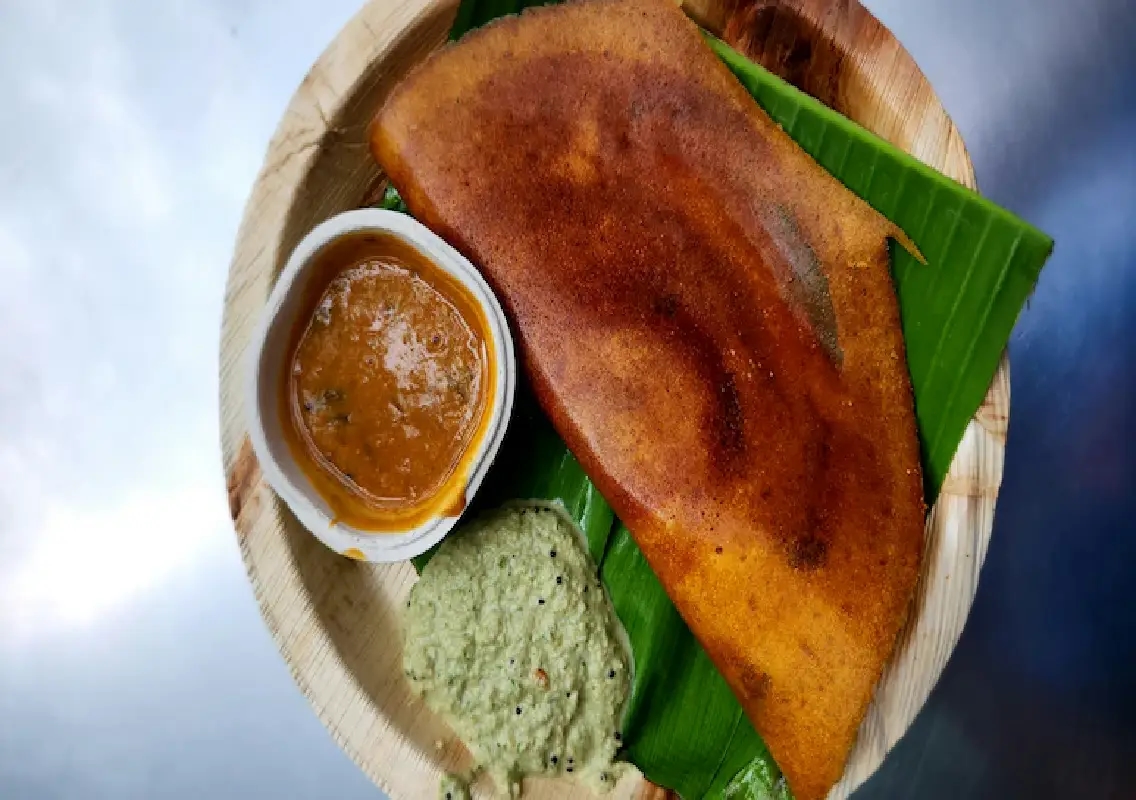
Unlike many global cities where fine dining dominates international attention, Bengaluru’s everyday food culture remains central to its identity. Eater highlights how standing-room-only darshinis, early-morning dosa counters, military hotels and no-frills meals continue to thrive alongside newer dining formats. These institutions serve affordable, consistent South Indian food to thousands daily, ensuring that mass food culture is not sidelined by the rise of premium dining.
This strong foundation of daily food rituals gives the city’s culinary scene depth and authenticity. Filter coffee joints, neighbourhood bakeries and lunch homes are not viewed as nostalgic relics but as living, evolving spaces that anchor Bengaluru’s food identity.
A crossroads of South Indian cuisines
Another factor drawing global attention is Bengaluru’s role as a crossroads for multiple South Indian cuisines. Long-running restaurants in the city represent culinary traditions from Karnataka, Kerala, coastal Mangaluru, Tamil Nadu and Andhra Pradesh. This regional diversity is reflected in menus that range from ragi mudde and bisi bele bath to Malabar-style seafood, Andhra meals and Tamil vegetarian fare.
Eater notes that this depth of regional representation allows visitors to experience the breadth of South Indian food within a single city. Bengaluru’s history as a migration hub has helped sustain these culinary traditions, turning restaurants into cultural mainstays rather than niche offerings.
A mature craft beer ecosystem
Bengaluru’s food reputation is also closely tied to its craft beer culture. As one of India’s earliest craft beer hubs, the city has moved beyond novelty into maturity and consistency. Breweries now focus on well-defined beer styles, often paired with thoughtfully designed menus that draw from regional flavours.
This integration of food and drink has strengthened Bengaluru’s standing as a destination where dining is not limited to restaurants alone. Brewpubs, taprooms and casual bars play an important role in shaping how residents and visitors eat and socialise.
A cohesive and confident food scene
What ultimately sets Bengaluru apart, according to Eater, is the cohesiveness of its food culture. The city’s appeal lies not just in volume or variety, but in how seamlessly traditional, regional and contemporary dining experiences coexist. From breakfast counters and lunch homes to modern Indian kitchens and experimental pop-ups, Bengaluru’s food scene feels connected rather than fragmented.
This sense of confidence and continuity has helped the city develop a distinct culinary identity—one that is rooted in South Indian traditions while remaining open to global influences. For visitors, this translates into a food experience that feels both accessible and deeply local.
Breakfast as a defining experience
Among the many “bucket list” food experiences in Bengaluru, breakfast culture stands out as essential. Early mornings in the city revolve around crisp dosas, soft idlis, strong filter coffee and bustling eateries that fill up before most workplaces open. For many visitors, exploring Bengaluru’s breakfast spots offers the most immediate and memorable introduction to its food culture.
Conclusion
Bengaluru’s inclusion in Eater’s Where to Eat list for 2026 is more than a symbolic achievement. It reflects years of organic growth driven by everyday eating habits, regional diversity and a public willing to embrace change without abandoning tradition. As global attention turns toward cities with authentic and layered food cultures, Bengaluru’s moment on the international culinary map appears well-earned—and long overdue.