




BENGALURU: Bengaluru is expected to receive a revised Comprehensive Mobility Plan (CMP) within a year, as infrastructure projects worth nearly Rs 1 lakh crore remain in the pipeline. The proposed plan aims to provide a coordinated roadmap for the city’s transport network and guide decisions on major mobility investments.
The new plan will be prepared by the Directorate of Urban Land Transport (DULT) at an estimated cost of Rs 4.16 crore. It will replace the city’s existing Comprehensive Mobility Plan, prepared in 2020, alongside a separate study conducted by the Bruhat Bengaluru Mahanagara Palike (BBMP) in 2024.
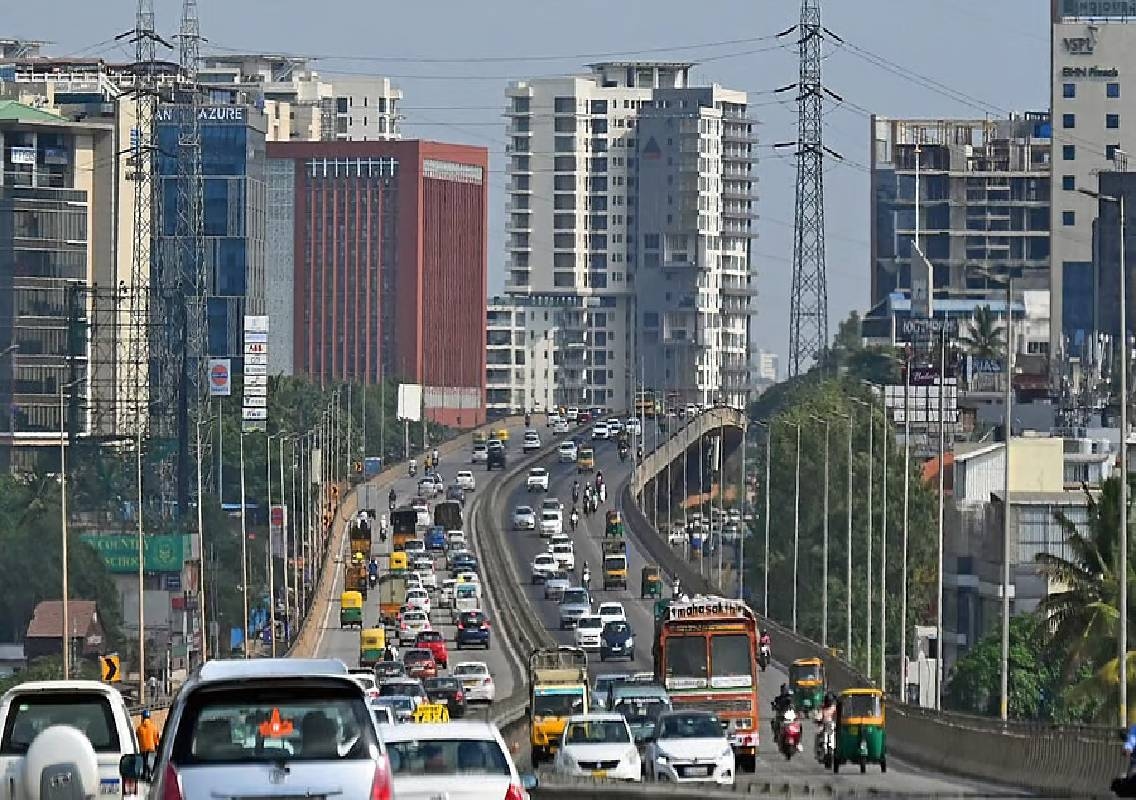
The revision comes as Bengaluru continues to grapple with growing traffic congestion and increasing demand for reliable public transport. The updated plan is expected to assess the city’s changing travel patterns and align proposed infrastructure with long-term urban growth.
Projects worth nearly Rs 1 lakh crore in the pipeline
Several large infrastructure proposals are at various stages of planning, including a proposed tunnel road and 12 flyovers. The revised mobility plan is expected to assess these projects alongside other transport requirements and consider how they fit into Bengaluru’s wider mobility network.
The scale of the proposed investment highlights the challenge of coordinating road infrastructure with mass transit and other transport options. A comprehensive plan can help authorities assess connectivity, travel demand and the relationship between different projects before deciding on priorities.
However, projects being in the pipeline does not necessarily mean they have received all the required approvals or that construction will begin immediately. Their progress will depend on clearances, funding and decisions by the relevant authorities.
Why Bengaluru needs an updated mobility plan
The city’s existing mobility plan was prepared in 2020, before several changes in Bengaluru’s transport and urban development landscape. A revised assessment is intended to account for new travel patterns, infrastructure proposals and future demand.
A comprehensive mobility plan typically examines multiple modes of transport, including Metro rail, buses, suburban rail, roads, walking and cycling facilities. It can also consider parking management, public transport connectivity and development around major transit corridors.
The updated plan is expected to provide a long-term framework for transport investments and help coordinate the work of agencies responsible for roads, public transport and urban planning.
Questions over the agency responsible
The decision to assign the work to DULT has also prompted questions about whether the Bengaluru Metropolitan Land Transport Authority (BMLTA) should lead the exercise.
Experts have reportedly argued that BMLTA, which is intended to coordinate mobility planning across agencies, would be better placed to prepare the plan. Officials, however, have cited staffing shortages at the authority as a constraint.
The issue highlights a wider challenge in Bengaluru’s infrastructure planning: ensuring that different departments and agencies work towards a shared transport strategy rather than developing projects independently.
Central approval linked to Metro expansion
The revised Comprehensive Mobility Plan is also important for proposed Namma Metro projects, as an updated plan is a prerequisite for securing central approval for Metro proposals.
The plan’s findings could therefore influence the coordination of future Metro expansion with road networks and other public transport systems. Aligning these investments will be important to improving connections between residential areas, employment centres and transport hubs.
While the preparation of a new plan marks a step towards updating Bengaluru’s mobility strategy, its impact will depend on how effectively its recommendations are implemented. The city’s earlier plan included proposals such as bus corridors and transit-oriented development, but many of those recommendations were not implemented.
The new exercise will need to translate long-term planning into coordinated action, with clear priorities, funding and accountability across the agencies involved.