







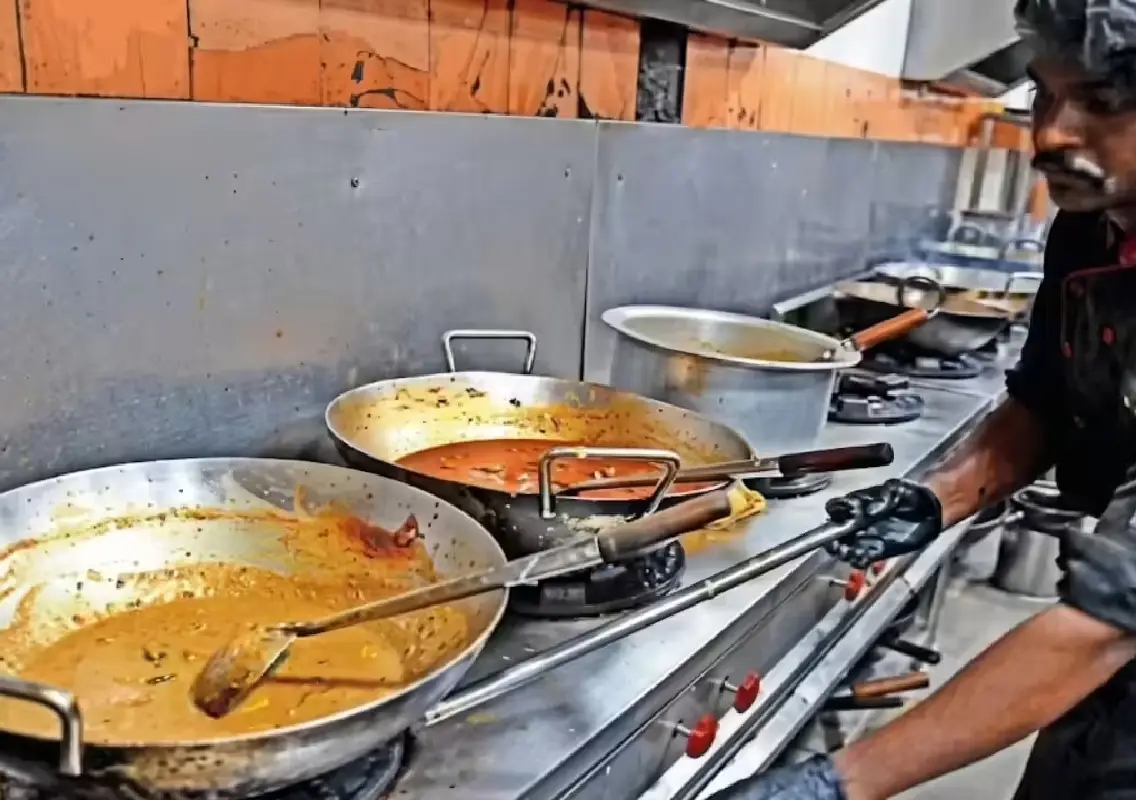


As an LPG shortage disrupts restaurant operations across Bengaluru, forcing many eateries to trim menus, one establishment has found an innovative and sustainable solution—turning city waste into cooking fuel.
Waste-to-fuel model gains attention
At a time when several hotels are struggling with limited gas supply, this Bengaluru-based restaurant is using nearly eight tonnes of organic city waste every day to generate fuel for its kitchen.
The initiative converts waste into biogas, which is then used for cooking, significantly reducing dependence on conventional LPG cylinders.
Relief amid LPG shortage
The ongoing LPG crisis has impacted the hospitality sector, with many restaurants either reducing menu items or adjusting cooking hours due to supply constraints.
In contrast, this waste-powered model has allowed the restaurant to continue operations without disruption, demonstrating resilience in the face of supply challenges.
Sustainable and cost-effective approach
Apart from ensuring uninterrupted cooking, the system also helps manage urban waste more efficiently. By processing organic waste, the initiative contributes to reducing landfill burden while producing clean energy.
Experts say such decentralised waste-to-energy solutions can play a key role in urban sustainability, especially in large cities like Bengaluru.
A model for the future
The success of this approach has sparked interest among industry stakeholders, with many viewing it as a viable alternative during fuel shortages and beyond.
With rising environmental concerns and increasing pressure on traditional energy sources, innovative models like this could pave the way for greener, self-sufficient restaurant operations.
Industry at a crossroads
While the LPG shortage has exposed vulnerabilities in the food service sector, it has also highlighted opportunities for innovation. Businesses that adapt with sustainable practices may be better positioned to navigate future disruptions.