







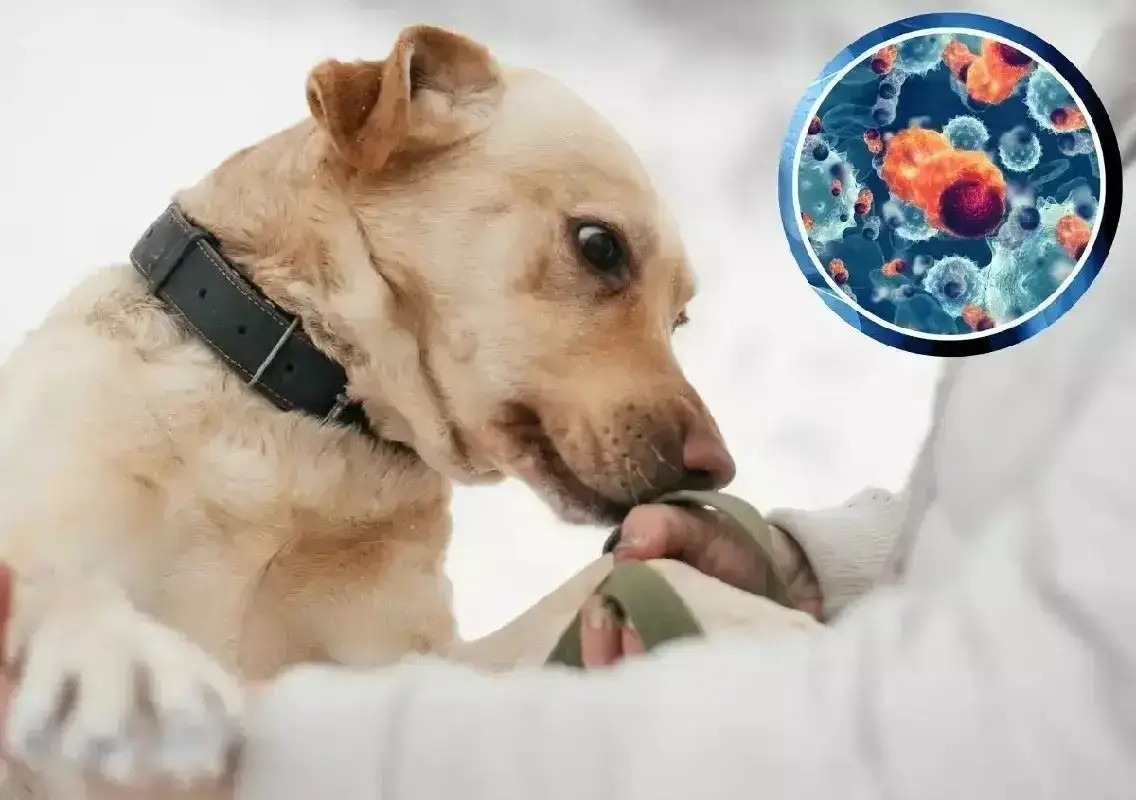


A Bengaluru-based health-tech startup is pioneering an innovative approach to cancer screening by combining the extraordinary sense of smell of trained dogs with artificial intelligence (AI) to detect the disease through human breath samples.
The startup, Dognosis, claims its technology has demonstrated around 90 per cent sensitivity and specificity during Phase II clinical trials, making it a promising tool for early cancer detection.
How the technology works
The screening process begins with volunteers breathing into specially designed masks that capture volatile organic compounds (VOCs) present in exhaled breath. These chemical compounds can carry biological signals associated with various diseases, including cancer.
The breath samples are then analysed by professionally trained dogs inside a controlled testing environment. The dogs are trained to identify cancer-related VOCs using their highly sensitive sense of smell. Their responses are recorded using sensors and processed through AI algorithms, converting the animals’ behavioural responses into objective scientific data.
Promising trial results
According to the company, Phase II clinical trials conducted over the past two years have involved nearly 1,500 participants, with the screening system maintaining an accuracy rate of approximately 90 per cent.
Medical experts associated with the project say the technology could make cancer screening faster, less invasive and significantly more affordable than many conventional diagnostic methods. The company also believes the innovation could help detect cancer at an earlier stage, improving treatment outcomes.
Potential to transform cancer screening
India records lakhs of new cancer cases every year, with many patients diagnosed only after the disease has advanced. Dognosis believes that combining canine scent detection with AI-powered analysis could make early screening more accessible, particularly in resource-limited settings.
The startup has partnered with hospitals for clinical research and continues to refine the technology before wider deployment. The company says the project demonstrates how biological intelligence and modern AI can work together to address major healthcare challenges