







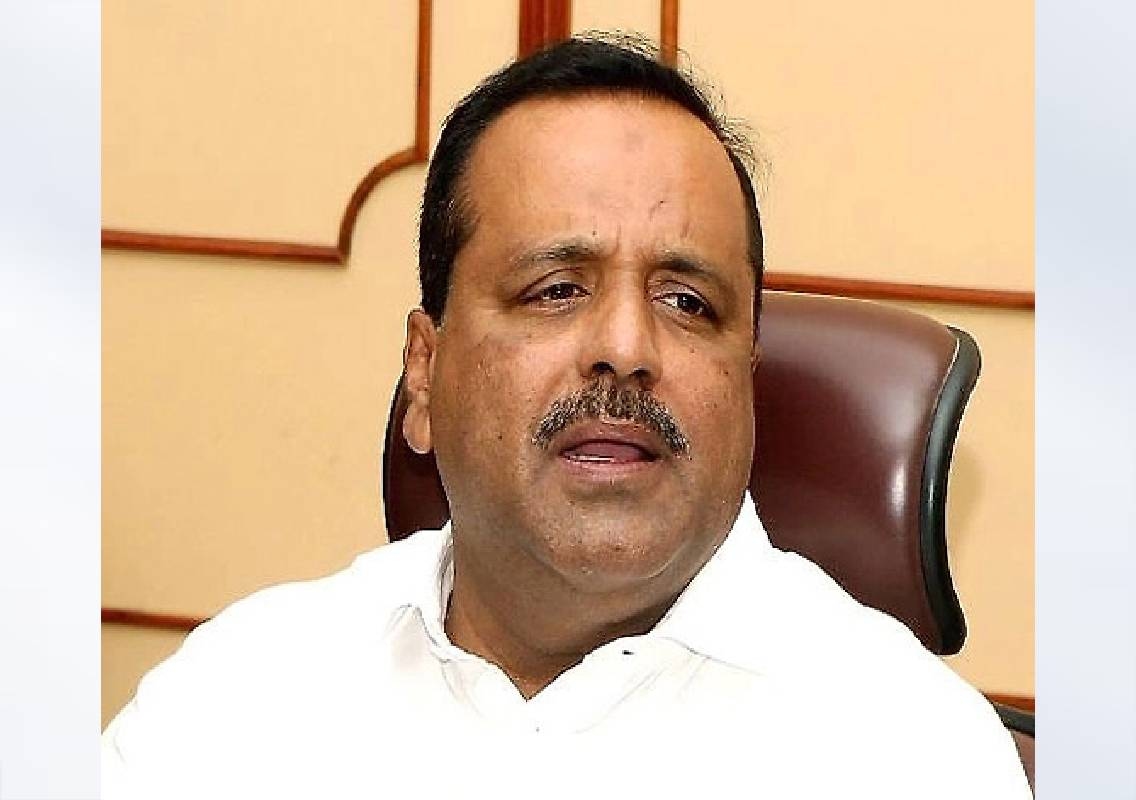


Bengaluru: The Karnataka Cabinet has approved the privatisation of the state’s 108 ambulance service, Health Minister U T Khader said, marking a major change in the management of the emergency medical transport system.
The decision will see the 108 ambulance service handed over to private operators through a tendering process. According to Khader, the Chief Minister and the entire Karnataka Cabinet have agreed to the move.
The government is also planning strict response-time requirements for the private operator. Ambulances will be expected to reach hospitals within 10 minutes in rural areas and within 15 to 20 minutes in urban areas.
Private operators to manage 108 ambulance service
Khader said the government is moving ahead with a new policy under which private companies will be responsible for operating the 108 ambulance service.
The health minister recalled that during Dinesh Gundu Rao’s earlier tenure, the government had indicated that the 108 service would not be handed over to GKVK and that the government would manage the operations itself.
However, after Khader took charge as health minister, the government decided to proceed with the tendering process for the service.
The latest Cabinet approval formally clears the way for private operators to take over the management of the emergency ambulance network.
Strict response times proposed for ambulances
One of the key conditions under the proposed system will be the response time for ambulances.
According to Khader, ambulances operating in rural areas will have to reach hospitals within 10 minutes. In urban areas, the stipulated response time will be between 15 and 20 minutes.
The government also plans to impose financial penalties if the operator fails to meet the prescribed timelines.
Khader said companies that exceed the stipulated response time could face a penalty of ₹5,000 to ₹10,000.
The response-time requirement is intended to ensure that patients requiring emergency medical assistance are transported without unnecessary delays.
U T Khader warns 108 staff against protests
The health minister also issued a warning to 108 ambulance staff against taking part in protests that could affect patients.
Khader said any protest or disruption that causes inconvenience to patients could lead to action against staff.
He maintained that employment-related issues involving the ambulance personnel would have to be resolved with the company concerned and warned that patients should not suffer because of disputes involving the service provider.
The warning comes as the state prepares to transition the ambulance service to a private operating model.
Focus on uninterrupted emergency services
The 108 ambulance service plays a critical role in transporting patients during medical emergencies, accidents and other urgent situations.
Any change in its management therefore carries significance for patients across Karnataka, particularly those in rural areas who may depend heavily on government-supported emergency transport.
The proposed response-time targets are intended to make ambulance availability and speed a key part of the new operating arrangement.
Under the tendering system, the private company selected by the government will have to meet the conditions laid down by the state, including the prescribed response times.
Government faces responsibility to monitor service
With private operators set to manage the 108 ambulance network, effective monitoring will be important to ensure that the service remains accessible and responsive.
The government will need to ensure that the contractual conditions are followed and that penalties are imposed when response-time requirements are not met.
The transition will also require attention to the concerns of existing ambulance personnel, particularly as the health minister has warned against protests that could affect patients.
For the public, the key issue will ultimately be whether the new system delivers faster and more reliable emergency transportation.
The Karnataka Cabinet’s decision marks a significant shift in the way the state’s 108 ambulance service will be operated. With private operators expected to take charge through the tendering process, the government has set response-time targets and penalties as key conditions of the new system.
The effectiveness of the move will depend on how well the private operator meets these standards and how closely the government monitors the service to ensure that patients receive timely emergency assistance.