







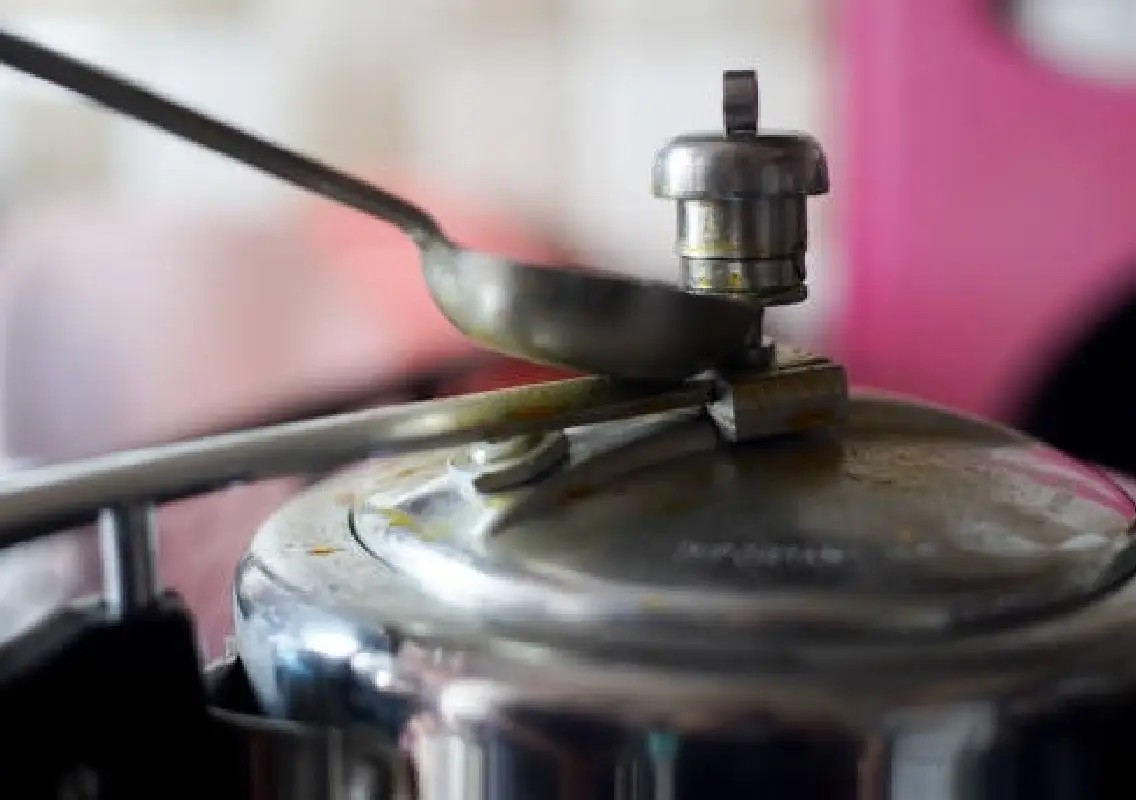


Bengaluru: Paying guest (PG) accommodation owners in Bengaluru have supported a ban on cooking inside individual rooms and urged authorities to strictly enforce fire safety norms following the recent Bommasandra gas leak incident that raised fresh concerns over safety in shared accommodations.
The Paying Guests Owners’ Welfare Association said LPG stoves are prohibited inside PG rooms and that cooking should be restricted to designated common kitchens to minimise fire hazards.
Association backs stricter safety measures
Association State President Arun Kumar said responsible PG operators do not allow residents to keep gas stoves inside their rooms.
“Cooking is permitted only in common kitchens. If food is prepared by PG staff, it is done there, and residents are not allowed to use gas stoves inside their rooms,” he said.
However, he acknowledged that some PGs, particularly in Bengaluru’s peripheral areas with a large migrant population, continue to violate safety regulations.
BBMP intensifies inspections
According to Kumar, the Bruhat Bengaluru Mahanagara Palike (BBMP) has stepped up inspections and enforcement against non-compliant PGs.
He said that in the Mahadevapura Zone alone, notices were issued and around 14 to 15 PGs were sealed for failing to comply with mandatory safety norms.
The association noted that most licensed PGs operate common kitchens on the ground floor or terrace, while newer establishments are increasingly shifting to piped gas systems with cylinders installed outside buildings.
Mandatory fire safety norms
PG owners said licensed accommodations are required to maintain fire extinguishers on every floor and in kitchens, first-aid kits, emergency contact numbers and CCTV surveillance at key locations. These measures are verified by BBMP officials during licence approval and renewal.
Several operators supported the proposed restrictions, stating that even a minor mistake involving cooking appliances could endanger all residents.
The Bommasandra accident has renewed calls for stricter compliance with fire safety regulations, with the association warning that operators who ignore the rules should face legal action.