







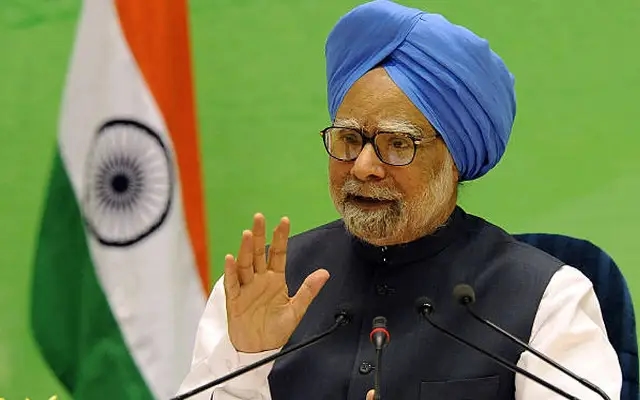


The image of a shy politician is hard to fathom, but Manmohan Singh, India’s former prime minister, embodied this rare persona. Known for his reserved nature, he stood apart from many other politicians with his quiet demeanor, even as he significantly impacted India’s political and economic landscape.
After Singh’s passing on Thursday, tributes poured in from across the globe. His death marks the end of an era, as his leadership during two terms as prime minister and his role in key reforms have left a lasting legacy. His state funeral on Saturday and the seven-day mourning declared by India reflect the deep respect for his contributions.
Despite serving in key roles, including Governor of India’s central bank and finance minister, Singh was not a typical politician. His measured approach, often keeping a low profile during controversies, earned him admiration for his focus on results rather than grandstanding. His economic reforms in 1991, opening India’s economy, changed its trajectory forever.
Singh’s greatest political challenge came with the landmark 2008 US-India nuclear deal, a breakthrough that ended India’s isolation. Despite criticism and opposition, his steady leadership led India through global financial crises, cementing his image as a pragmatic and unassuming leader.
Singh’s personal dignity, his courage to apologize for the 1984 riots, and his thoughtful approach to governance defined his tenure. Even when faced with adversity, including corruption scandals and public unrest, he maintained a quiet resolve, earning the respect of both allies and critics.
Chaos at Vittal Revenue Office After Politician and Supporters Disrupt Regularization Process
Police Uncover Honey Trap Scheme Involving Extortion of Politicians in Bengaluru
#ManmohanSingh #IndianPolitics #EconomicReforms #LegacyOfLeadership