









Mangaluru: The Karnataka Cabinet will meet in Mangaluru on September 18, marking the first time the State Government’s highest decision-making body will convene in the coastal city. The meeting is expected to place a special focus on development proposals and long-pending issues concerning coastal Karnataka.
Chief Secretary Shalini Rajneesh has directed senior officials across government departments to identify proposals related to the coastal region and prepare the necessary Cabinet notes for consideration at the meeting. The move is expected to give greater administrative attention to the development priorities of Dakshina Kannada, Udupi and Uttara Kannada.
The decision comes after elected representatives from the coastal districts sought a Cabinet meeting in the region. Similar meetings have previously been held outside Bengaluru, including in Kalaburagi and Male Mahadeshwara Hills in Chamarajanagar.
Coastal development expected to dominate agenda
The September 18 meeting is likely to be closely watched in coastal Karnataka as departments prepare proposals covering infrastructure, tourism, natural resources and other regional development priorities.
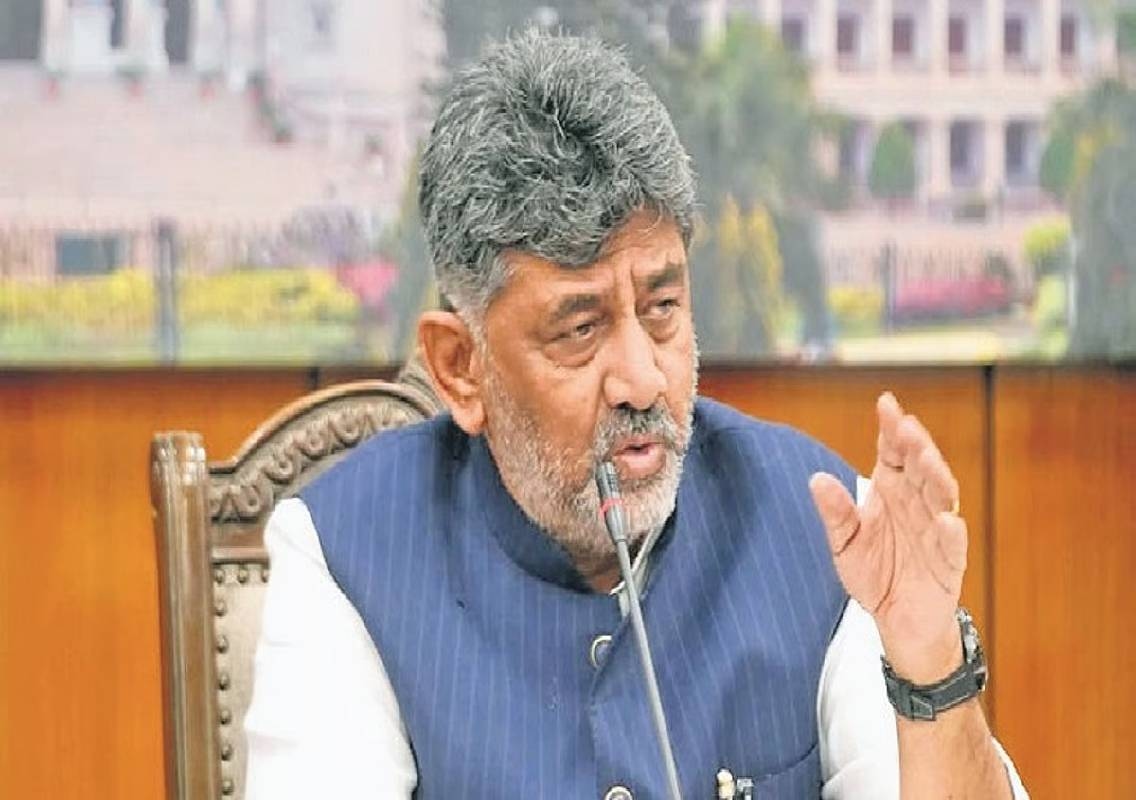
Chief Minister D K Shivakumar had earlier announced that the Cabinet would meet in Mangaluru to discuss measures aimed at accelerating the development of the coastal districts. Tourism has been identified as one of the important areas, with the government looking at ways to make better use of the region’s potential.
The coastal belt has a distinct combination of beaches, religious and cultural sites, forests, waterways, heritage locations and a strong hospitality sector. Supporters of a focused regional development strategy believe coordinated government investment could help strengthen tourism while creating employment opportunities and supporting local businesses.
Malnad Tourism Corporation among key expectations
One of the major proposals expected to attract attention is the proposed Malnad Tourism Corporation.
Dakshina Kannada in-charge minister U T Khader had announced the proposal during his Independence Day address. The proposed corporation is intended to promote tourism across the coastal and Malnad regions through integrated planning and investment.
A dedicated institutional mechanism could potentially help coordinate tourism-related projects that currently involve multiple departments and agencies. Better coordination could also help develop circuits connecting destinations across Dakshina Kannada, Udupi, Uttara Kannada and the Malnad region.
For the coastal districts, the focus is not only on attracting tourists but also on improving infrastructure, accessibility and visitor facilities. Sustainable development will be important as tourism expands in environmentally sensitive areas.
Sand and laterite mining issues on agenda
Industry bodies and civic groups are also hoping that the Cabinet meeting will address long-pending issues linked to sand and laterite mining.
The demand for a comprehensive policy on these resources has remained an important concern in coastal Karnataka. Clear regulatory mechanisms are expected to be important for balancing construction requirements with environmental protection and the interests of local communities.
A policy-level decision could provide greater clarity for businesses and consumers while also ensuring that extraction activities are regulated and environmentally sustainable.
Tulu language demand likely to receive attention
Another issue expected to be raised around the Cabinet meeting is the long-standing demand for official language status for Tulu.
Tulu has a strong cultural presence across parts of coastal Karnataka and has been central to the region’s linguistic identity. Civic and cultural groups have continued to seek greater recognition for the language.
The Cabinet meeting in Mangaluru could therefore provide an important platform for representatives and organisations to renew the demand and place it before the State Government. However, any decision on the matter would depend on the government’s consideration and the applicable constitutional and legal framework.
Focus on Dakshina Kannada, Udupi and Uttara Kannada
The meeting is significant because the government has specifically asked departments to identify proposals connected with coastal Karnataka.
The three principal coastal districts — Dakshina Kannada, Udupi and Uttara Kannada — have different economic and geographical strengths. Dakshina Kannada has a strong base in education, healthcare, trade, banking, ports and services, while Udupi has significant tourism, education, religious and hospitality activity. Uttara Kannada combines coastal tourism with forests, ports, fisheries and other natural-resource-based economic activities.
A coordinated development approach could help the three districts address shared challenges while developing projects suited to their individual strengths.
Mangaluru meeting gains significance after growth debate
The Cabinet meeting also comes at a time when Mangaluru is receiving increased attention as a potential growth centre outside Bengaluru.
The city was recently highlighted in discussions around the LEAP Cities Index 2026, which assesses economic activity across non-metro Indian cities. Mangaluru’s performance has strengthened the argument that Karnataka’s economic growth can be distributed across multiple urban centres rather than remaining concentrated in Bengaluru.
Holding the Cabinet meeting in Mangaluru could therefore carry significance beyond the individual decisions taken on September 18. It signals an effort to take high-level policymaking closer to regional centres and to consider development priorities from the perspective of the districts concerned.
Departments asked to prepare detailed proposals
The Chief Secretary’s direction means government departments will have to identify relevant projects and prepare comprehensive proposals before the meeting.
The proposals are expected to provide the Cabinet with a basis for considering development initiatives and policy decisions affecting the coastal region. The preparation process will be important because the meeting’s effectiveness will depend on whether proposals are supported by clear financial, administrative and implementation plans.
For local representatives and civic organisations, the meeting also offers an opportunity to highlight issues that require State-level intervention.
A key opportunity for coastal Karnataka
The September 18 Cabinet meeting could become an important milestone for coastal Karnataka if it results in concrete decisions on infrastructure, tourism, natural resources and cultural issues.
Mangaluru’s selection as the venue also reflects the government’s stated intention to give greater attention to regions outside Bengaluru. The challenge will be to translate the meeting into time-bound projects and policies rather than limiting the exercise to announcements.
With departments now preparing their proposals, attention will turn to the issues that ultimately reach the Cabinet and the decisions taken on September 18.
Conclusion
The Karnataka Cabinet’s first meeting in Mangaluru is expected to put coastal development firmly on the State’s policy agenda. Proposals on tourism, mining, infrastructure and regional priorities could determine whether the meeting delivers a lasting development push for the coastal districts.