







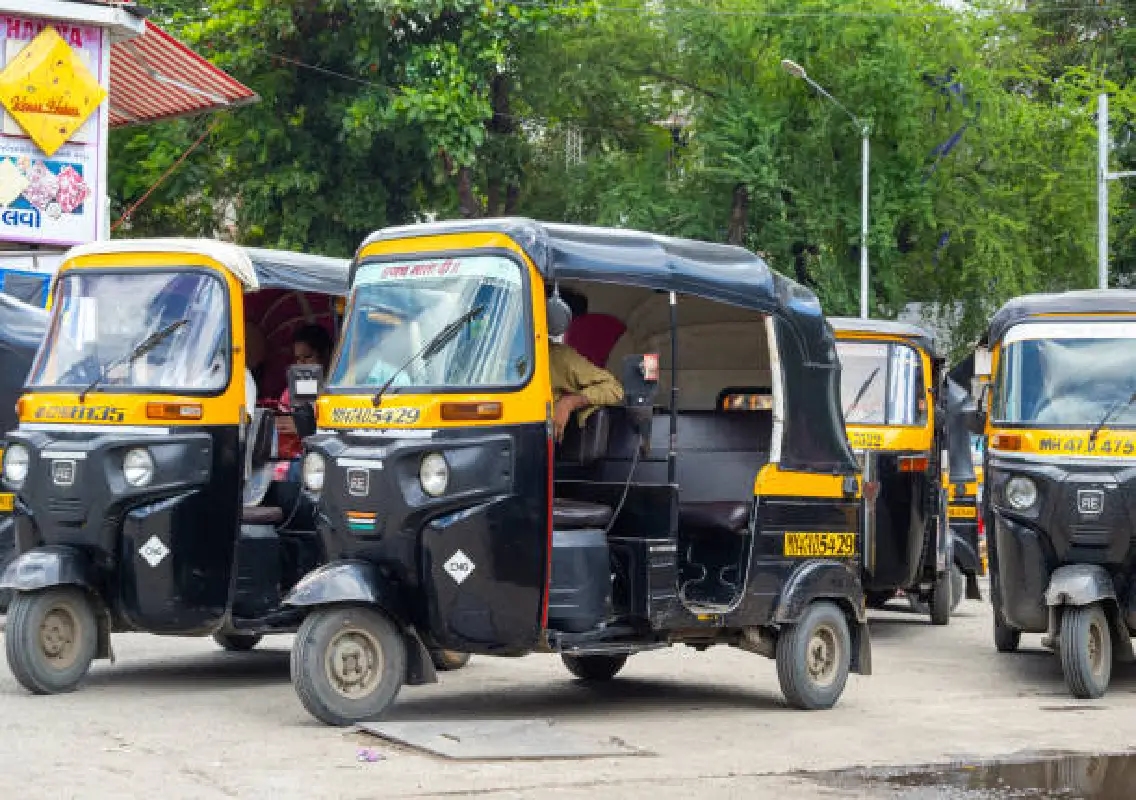


Mangaluru: A disruption in the supply of commercial LPG has caused significant inconvenience to auto-rickshaw drivers and taxi operators in Mangaluru, as shortages and rising prices of auto LPG continue to impact daily operations.
Auto drivers across the city, who rely heavily on LPG as a cost-effective fuel, are struggling to access regular supplies. The issue has also led to long queues at filling stations and forced many drivers to search extensively for available fuel.
Supply disruption leads to shortage
According to reports, the shortage of commercial LPG has directly affected the availability of auto LPG in the city. Several LPG filling stations have either run out of stock or are facing irregular supply, leading to uncertainty among drivers.
In many cases, drivers have had to move from one bunk to another in search of fuel, wasting both time and earnings. The situation has been particularly difficult over the past few days, with supply failing to meet the growing demand.
Some auto LPG bunks have reportedly suspended gas distribution altogether, citing rising procurement costs and supply constraints.
Sharp rise in LPG prices
The supply crunch has also resulted in a steep increase in LPG prices. Prior to the recent global developments, including tensions linked to the Iran conflict, auto LPG in the city was priced at around Rs 65 per litre.
However, the rate has now surged to approximately Rs 85 per litre at several filling stations. In some cases, bunks sourcing LPG from private suppliers are charging as high as Rs 99.95 per litre, further increasing the financial burden on drivers.
The frequent fluctuation in LPG prices over recent days has added to the uncertainty, making it difficult for drivers to plan their expenses.
Long queues and operational challenges
On Monday, long queues of auto-rickshaws were witnessed at various LPG filling stations across Mangaluru. Drivers were seen waiting for extended periods in hopes of refuelling their vehicles.
The shortage has disrupted daily operations, with many drivers either reducing their working hours or facing delays in serving passengers. Taxi operators using LPG have also reported similar challenges.
Drivers have expressed concern that the rising fuel costs are significantly affecting their already narrow profit margins. Many are finding it difficult to pass on the increased costs to passengers, especially in a price-sensitive market.
Demand for intervention
Auto drivers and unions are expected to seek intervention from authorities to address the supply issues and stabilise prices. Ensuring consistent availability of LPG and regulating price fluctuations are among the key demands.
Experts note that supply chain disruptions, especially those linked to global geopolitical developments, can have a cascading effect on local fuel markets. However, timely measures at the regional level can help mitigate the impact on end users.
Conclusion
The ongoing LPG shortage in Mangaluru has highlighted the vulnerability of essential transport services to fuel supply disruptions. As drivers continue to face rising costs and operational challenges, swift action from authorities and suppliers will be crucial to restore normalcy and prevent further hardship.