







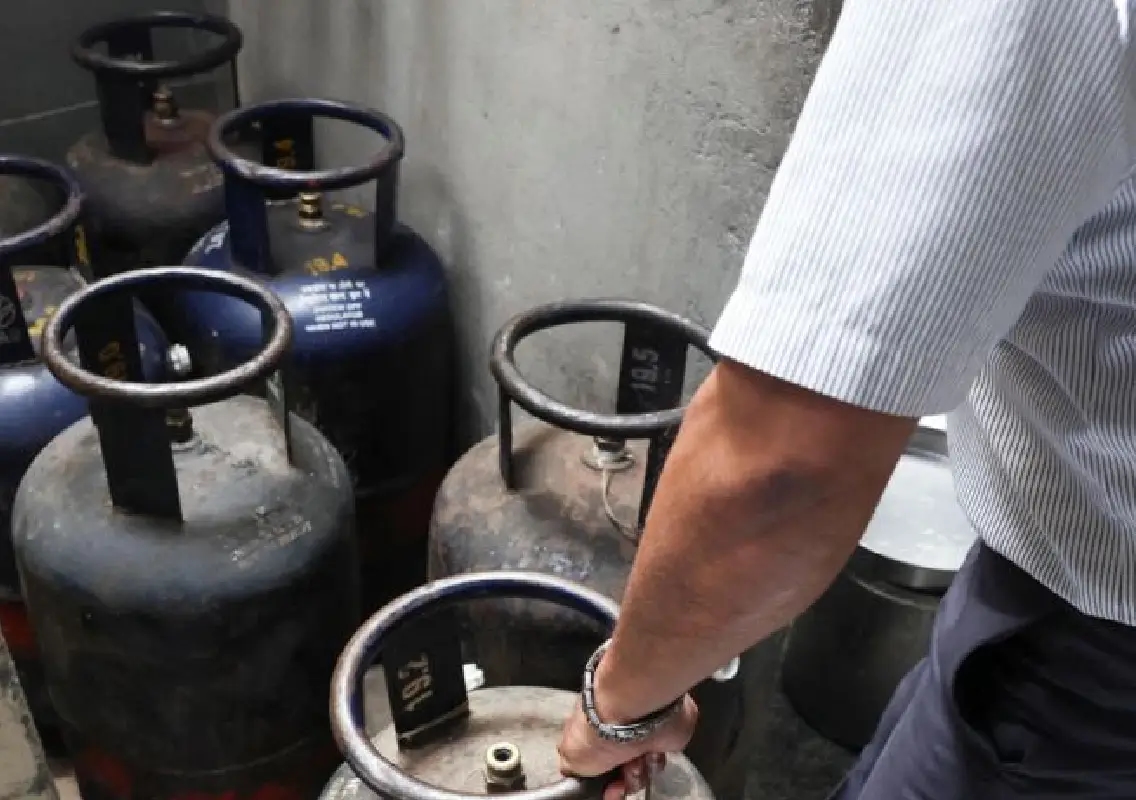


The ongoing Iran war is beginning to affect vulnerable communities in India, as disruptions in LPG supply threaten critical nutrition programmes in remote tribal regions.
Global conflict hits local survival
India depends heavily on LPG imports from the Middle East, with shipments passing through the Strait of Hormuz. With tensions rising in the region, supply chains have been strained, leading to shortages—especially in rural areas where delivery is already inconsistent.
In tribal belts like Mokhada, located a few hours from Mumbai, the impact is being felt quickly, exposing how global conflicts can disrupt everyday survival far from the battlefield.
Nutrition programme faces crisis
The Gabriel Project Mumbai, which works with malnourished children, has been forced to halt operations at its central kitchen due to unavailability of LPG cylinders.
The kitchen prepares nutrient-rich meals daily for children suffering from severe malnutrition. Without gas, large-scale cooking has become impossible, putting hundreds of children at risk.
Return to unsafe cooking methods
With no LPG available, the team has shifted to traditional wood-fired stoves. While this allows limited meal preparation, it significantly reduces efficiency and exposes women and children to harmful smoke.
This reversal also undermines years of progress toward cleaner and safer cooking solutions in rural communities.
Children face immediate danger
For malnourished children, even a short break in nutrition can have severe consequences. Regular intake of balanced meals is essential for recovery, and disruptions can undo months of progress.
Health experts warn that continued shortages could push already vulnerable children back into life-threatening conditions.
War’s hidden consequences
The crisis highlights how modern conflicts extend beyond borders, affecting supply chains, fuel access, and basic services worldwide.
For tribal communities with limited infrastructure, such disruptions hit hardest and fastest, revealing the deeper humanitarian cost of global instability.