







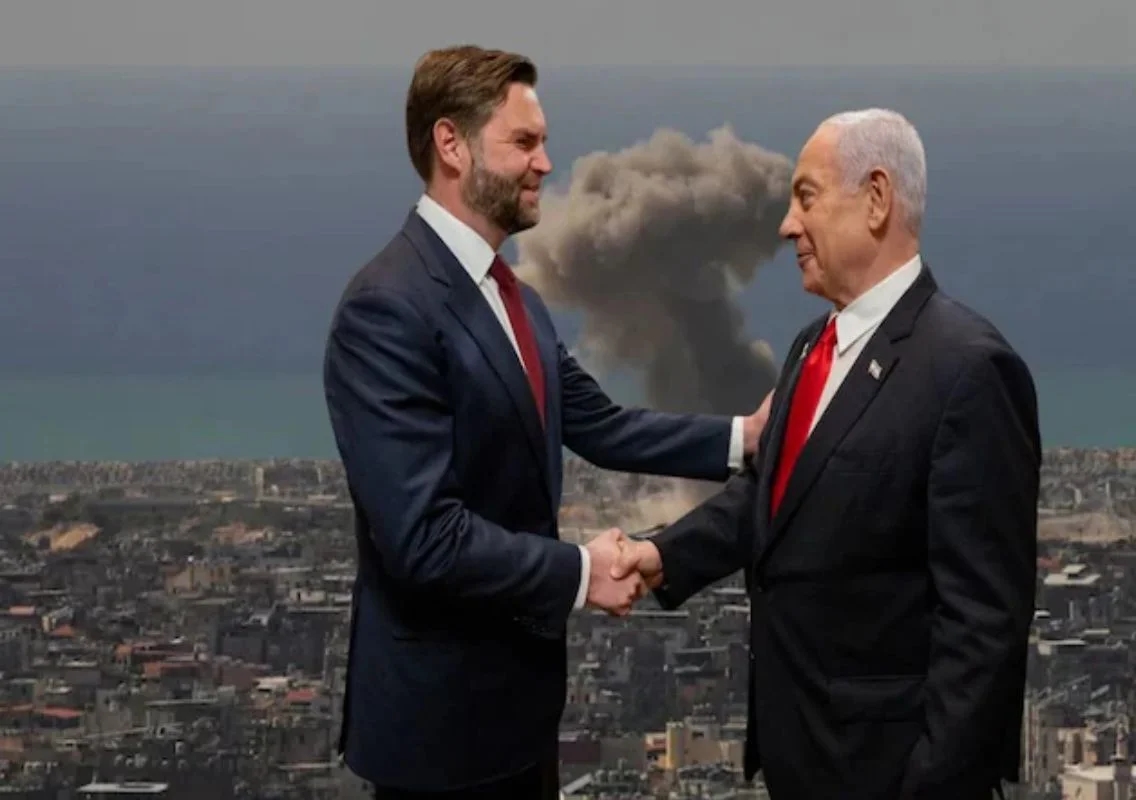


Washington: JD Vance reportedly had a tense phone call with Benjamin Netanyahu this week, raising concerns over what he viewed as overly optimistic assumptions about the ongoing conflict involving Iran, according to a report by Axios.
The exchange highlights growing differences within US leadership circles over the trajectory of the conflict and the prospects for a negotiated settlement.
Vance questions ‘rosy’ war projections
During the call, Vance reportedly challenged Netanyahu’s confidence regarding the likelihood of regime change in Iran, expressing scepticism about earlier claims made before the conflict escalated.
A US official told Axios that Netanyahu, often referred to as “Bibi”, had presented the situation to Donald Trump as relatively straightforward, with regime change appearing more achievable than it has turned out to be.
However, Vance was described as being “clear-eyed” about these projections and more cautious in his assessment of the evolving situation.
Strains emerge amid ceasefire efforts
The report also suggested friction behind the scenes, with one US official alleging that Israel may be undermining Vance’s role in ongoing diplomatic efforts.
Vance has emerged as a key figure in attempts to negotiate a ceasefire with Iran, working alongside US envoys Steve Witkoff and Jared Kushner.
According to officials cited in the report, there have been claims that Iran may prefer negotiating with Vance due to his perceived openness to a diplomatic resolution. However, one official dismissed such reports as an “Israeli operation” aimed at weakening his position.
Seen as best chance for a deal
Despite tensions, another senior US official told Axios that Vance remains the most viable channel for reaching a negotiated end to the conflict.
“If the Iranians can’t strike a deal with Vance, they don’t get a deal,” the official was quoted as saying, underlining his central role in diplomatic efforts.
Vance balances politics and policy
The developments come at a time when Vance is increasingly being viewed as a potential contender in the 2028 US presidential race.
A former Marine who served in Iraq, Vance has built his political identity around opposing prolonged foreign interventions. While he has publicly supported the administration’s actions, he has also emphasised that the Iran conflict should not turn into another “forever war”.
In recent remarks, Trump acknowledged some philosophical differences with Vance regarding military engagement, though he described the vice president as ultimately supportive of the administration’s approach.
Conclusion
The reported exchange between Vance and Netanyahu underscores the complexities of the Iran conflict and the delicate balance between military strategy and diplomatic resolution. As tensions continue, Vance’s role as a mediator may prove crucial in determining whether the conflict moves towards escalation or a negotiated peace.