







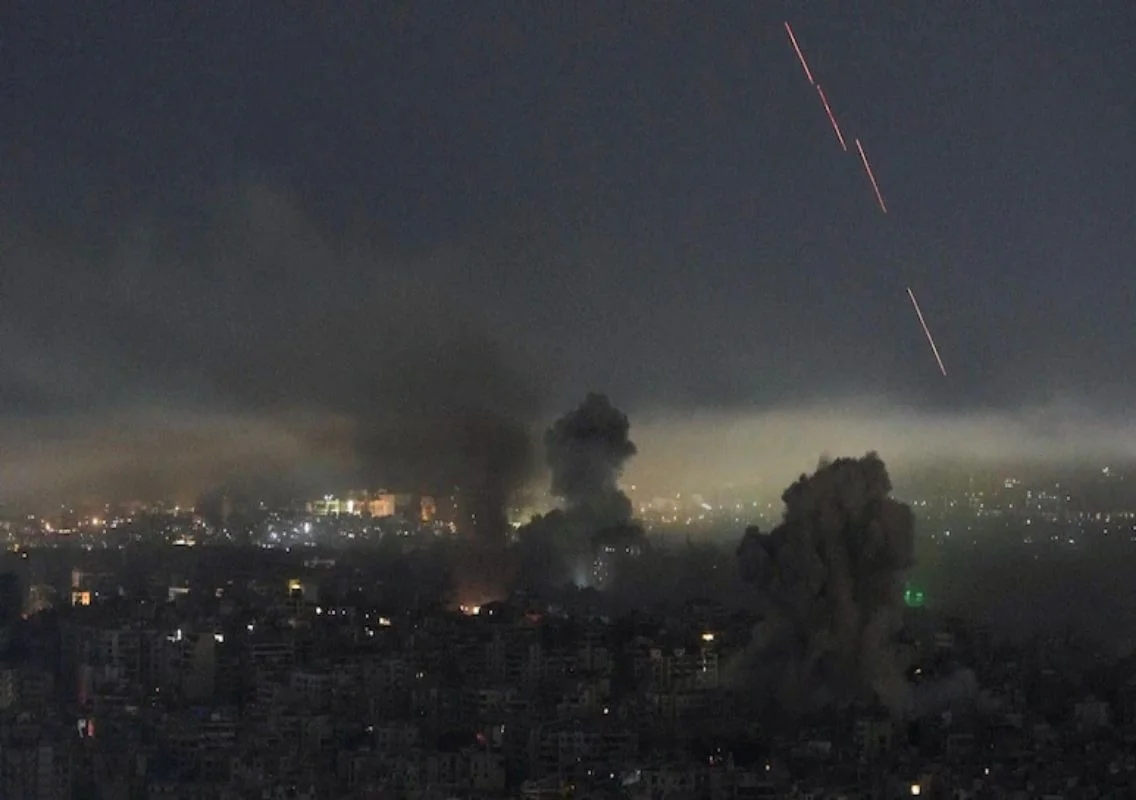


New Delhi: Claims that Iran’s missile and drone attacks have dropped by nearly 90% since the start of the conflict have shaped global narratives—but experts argue this headline masks a far more complex strategic reality.
The figure, cited by US officials during the ongoing US-Israel war on Iran, reflects a decline in attack frequency—not Iran’s overall military capability.
Tempo vs capability: The key distinction
A reduction in launches does not necessarily mean Iran has exhausted its arsenal. Instead, analysts suggest Tehran is deliberately conserving resources, shifting from high-intensity strikes to a calculated, long-term strategy.
This approach indicates rationing, not weakness—a move designed to maintain pressure over time while preserving critical assets for strategic use.
Ballistic missiles: A shrinking but potent threat
Iran’s medium-range ballistic missile (MRBM) capability targeting Israel has been significantly degraded. Reports suggest a large portion of launchers and stockpiles have been destroyed or expended.
However, the limiting factor now is not missiles—but launch platforms. With fewer operational launchers remaining, Iran appears to be carefully managing its usage to sustain deterrence.
This explains the current pattern of low-volume, steady launches rather than large-scale barrages.
Gulf theatre: Sustained pressure strategy
While attention has focused on Israel, Iran’s short-range missile operations in the Gulf region remain active and more sustainable.
Frequent, smaller strikes targeting regional infrastructure and allied positions demonstrate a deliberate effort to maintain consistent pressure without exhausting reserves.
This theatre is critical for influencing regional players and shaping diplomatic outcomes.
Precision and maritime warfare
Iran is also deploying cruise missiles and drones selectively, often in combination, to complicate defensive responses.
The Strait of Hormuz has emerged as a key flashpoint, with increased activity involving drones, naval assets and potential threats to global shipping routes.
Given that a significant share of the world’s oil supply passes through this narrow corridor, any escalation here carries global economic implications.
The carrier threat dimension
Another underreported aspect is Iran’s potential focus on high-value military targets, including US carrier strike groups.
Rather than expending its remaining capabilities rapidly, Iran may be preserving them for a decisive, high-impact strike—should favourable conditions arise.
This dual-purpose strategy—deterring Israel while retaining options against US forces—adds a layer of unpredictability to the conflict.
Risk of escalation
Analysts warn that certain triggers could rapidly escalate the situation, including:
- Attacks on critical Iranian energy infrastructure
- Increased military presence in the Gulf
- Disruption of key shipping lanes
- Enhanced intelligence support to either side
Any of these could shift Iran’s current conservation strategy into a more aggressive posture.
Conclusion
The “90% degraded” narrative risks oversimplifying a dynamic and evolving conflict. Iran’s reduced attack tempo reflects strategic choice rather than complete incapacity.
As the war enters a more calculated phase, the focus shifts from sheer firepower to how and when remaining capabilities are used—a factor that could prove far more consequential in shaping the conflict’s outcome.