









Mangaluru: Serious allegations of financial and administrative irregularities have surfaced against the Mangala Alumni Association of Mangalore University, with claims that the body continued to function for years without renewing its registration and collected mandatory fees from students who had not yet become alumni.
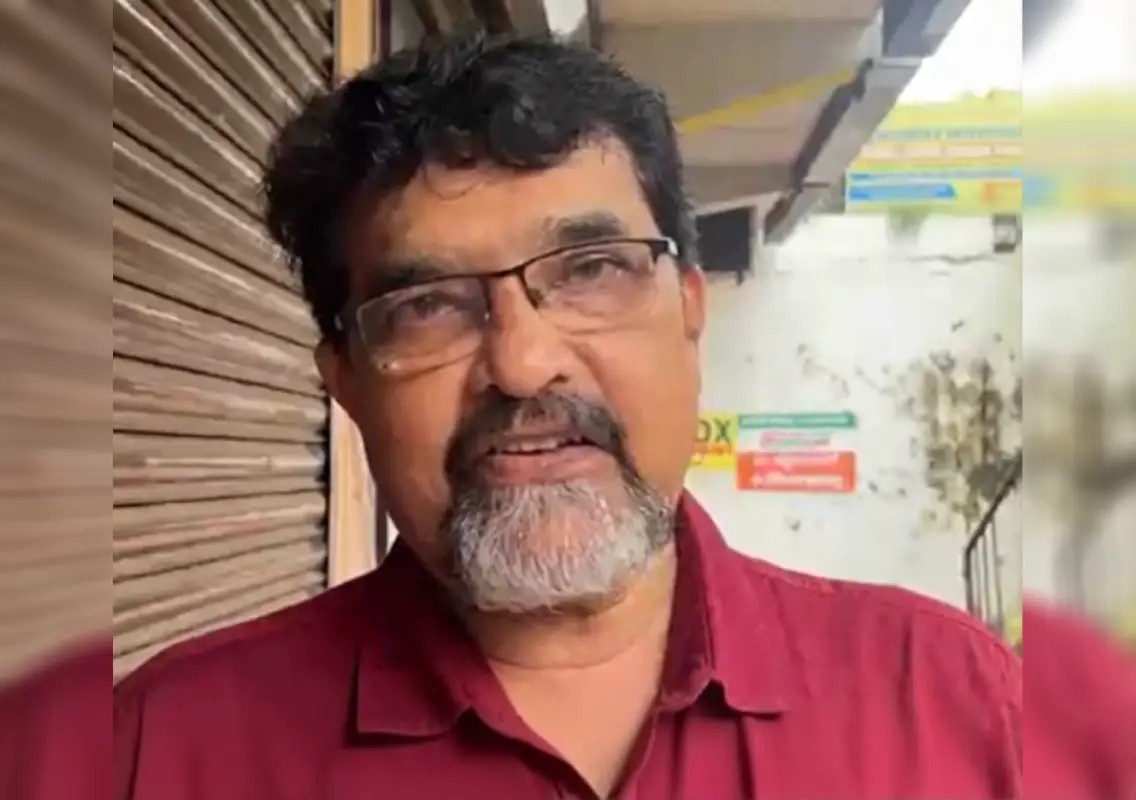
The association’s elected president, Ramakrishna Rao, has strongly condemned the alleged lapses and demanded a comprehensive investigation by a delegation of Mangalore University officials. He has also urged the District Registrar of Societies and the Karnataka State Higher Education Department to intervene and examine the functioning of the association.
According to the allegations raised by Rao, the Mangala Alumni Association was registered in 2006 but its registration was allegedly not renewed after 2010. Despite the purported lapse in registration, the association is said to have continued its activities and handled funds for several years.
Rao has questioned how the association was allowed to function for such a long period and has sought an independent examination of its administrative and financial affairs.
Allegations over fees collected from students
One of the major concerns raised relates to the collection of alumni association fees from final-year students. According to the allegations, the fee was included in the mandatory fee structure prescribed for final-year students.
Rao argued that students were required to pay the amount even before completing their degrees and formally becoming alumni. He questioned the basis on which such a fee could be collected from students who were still enrolled at the university.
The association’s bylaws reportedly stipulate that the maximum membership fee should be Rs 200. However, Rao alleged that Rs 350 was collected from each student.
The difference between the amount specified in the bylaws and the amount allegedly collected has raised questions about the approval process, the total amount generated and the utilisation of the additional funds.
Rao has also sought clarification from the university’s finance department. He maintained that the systematic inclusion of the fee in the university’s mandatory fee structure and the transfer of the money could not have taken place without the knowledge, approval or oversight of the concerned financial authorities.
He has called for an inquiry into the role of the university officials and departments responsible for approving student fee structures and handling the transfer of funds.
Concerns over bank accounts and KYC compliance
Another major issue raised by Rao concerns the association’s bank accounts. He questioned how the accounts were allegedly allowed to remain operational for around 16 years without valid registration documents or mandatory updates to Know Your Customer, or KYC, records.
The allegations have raised concerns about compliance with banking and regulatory requirements. Rao has demanded that the banks concerned provide details of the documents submitted by the association, the status of its registration records and the process through which the accounts continued to operate.
He has also sought details of all transactions carried out through the accounts during the period under scrutiny.
According to Rao, there is insufficient transparency regarding the association’s financial records. He alleged that comprehensive information was not readily available on the number of members registered, the total funds collected from students, the amounts held in bank accounts, transaction details and the manner in which the money was eventually utilised.
He has called for a detailed audit to establish the exact amount collected over the years and determine whether the funds were spent in accordance with the association’s objectives and bylaws.
Members allegedly kept unaware
Rao further alleged that ordinary members were not informed about the association’s registration status during annual general meetings. If established, the allegation would raise serious questions about the disclosure of important administrative information to members.
He said members should have been informed about the legal and registration status of the association, particularly when decisions involving elections, finances and amendments to the bylaws were being taken.
The lack of complete records and transparency, according to Rao, has made it difficult for members to independently assess the functioning of the association.
He has demanded that all relevant documents, including registration papers, annual reports, audited financial statements, membership records, bank account details and minutes of management meetings, be made available for examination as part of any official inquiry.
September 19 meeting draws criticism
The controversy has intensified with the management board scheduling a special meeting for September 19, 2026.
Rao alleged that the proposed meeting is intended to amend the association’s bylaws in a manner that could prevent ordinary members from contesting for office-bearer positions.
According to him, such a move could further concentrate control within a limited group and reduce opportunities for wider participation in the association’s administration.
He also pointed out that only three individuals have served as president during the association’s nearly 20-year history. Rao said this has raised concerns about transparency, democratic participation and the possibility of a small group maintaining long-term control over the organisation.
He has alleged that the proposed amendments are an attempt by the present management to retain its hold over the association and avoid greater accountability.
The allegations regarding the special meeting are expected to become a key part of the demands for official intervention, particularly as Rao has sought an immediate stay on the meeting until the association’s legal and financial status is examined.
Demand for independent probe
In light of the allegations, Rao has urged the District Registrar of Societies and the Karnataka State Higher Education Department to immediately intervene.
He has demanded that the special meeting scheduled for September 19 be stayed until a detailed inquiry is completed. He has also sought a comprehensive and independent investigation into the role of the association’s management board, the university’s finance department and the banks involved in maintaining the association’s accounts.
Rao has further urged the authorities to freeze the relevant bank accounts, if considered necessary during the investigation, to ensure that no funds are transferred or utilised until the financial records are examined.
He has called for a thorough audit of all money collected from students and sought strict legal action against any person found responsible for violations or irregularities.
The allegations have brought the functioning of the Mangala Alumni Association under scrutiny and raised broader questions about financial oversight, institutional accountability and the rights of association members.
An official inquiry could help establish whether the alleged registration and financial lapses occurred, how long the association continued to operate under the disputed circumstances, and whether students’ contributions were collected and utilised in accordance with the applicable rules and bylaws.
The matter now rests with the university and the concerned regulatory authorities, whose response and any subsequent investigation will be closely watched by students, alumni and members of the association.