







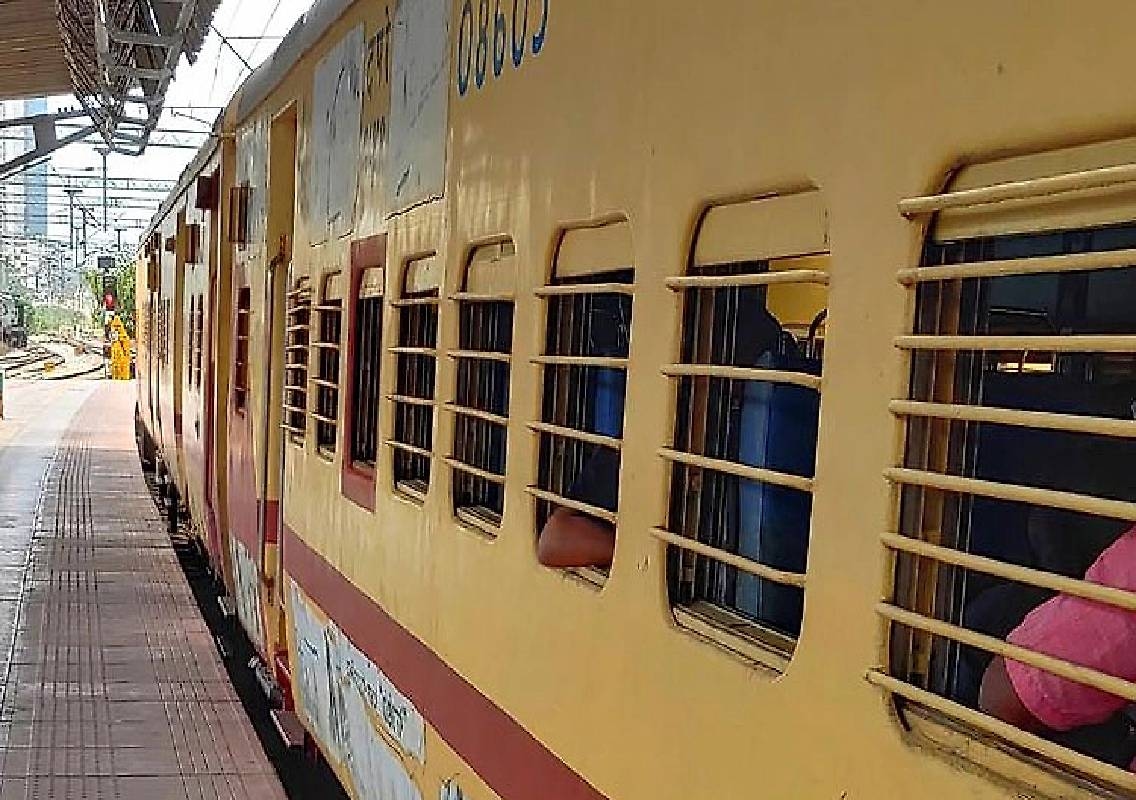


Mangaluru: The short rail distance between Mangaluru Central and Mangaluru Junction continues to remain a major bottleneck for railway operations, despite the two stations being only a few kilometres apart. The congested link has long affected train movement and limited the scope for introducing or improving services in coastal Karnataka.
The issue has gained renewed attention with the planned transfer of Mangaluru’s railway jurisdiction to South Western Railway (SWR). From October 1, the Mangaluru region, including Mangaluru Central and Mangaluru Junction, is expected to come under the Mysuru division of SWR.
Short distance, major operational hurdle
Mangaluru Central and Mangaluru Junction are located relatively close to each other, but the rail connection between the two remains a crucial constraint.
The single-track section between the stations has limited the number of trains that can be handled efficiently. Railway users have repeatedly sought doubling of this stretch, saying additional track capacity could help ease congestion and allow more trains to operate.
The problem becomes more significant when trains arrive from different directions and have to be managed through the same constrained network.
Single line limits train movement
The section between Mangaluru Central and Mangaluru Junction has remained a longstanding concern for railway users.
A single track means trains travelling in opposite directions cannot move independently through the stretch. They have to be coordinated carefully, creating scope for waiting and delays when traffic increases.
Railway users have pointed out that the capacity constraint affects not only passengers travelling between the two stations but also long-distance trains passing through Mangaluru.
Doubling has been a long-standing demand
Railway passengers and local stakeholders have been demanding doubling of the line to increase capacity.
The expectation among railway users is that the proposed transfer to SWR could provide a fresh opportunity to take up the long-pending infrastructure requirement.
Passengers have said that the single-track stretch has restricted the ability to add more services and improve schedules.
The demand is particularly significant as Mangaluru’s railway network handles trains connecting Bengaluru, Kerala, Mumbai and other parts of the country.
Multiple railway jurisdictions add complexity
The operational difficulties have historically been compounded by the fact that Mangaluru’s railway network has involved multiple jurisdictions.
The Mangaluru area has been served by Southern Railway, South Western Railway and Konkan Railway Corporation Ltd.
Padil, near Mangaluru, functions as an important interchange point between different operational jurisdictions. Trains arriving from the Goa or Hassan side may have to pass through different railway boundaries before reaching Mangaluru, adding to operational complexity.
The proposed jurisdictional rationalisation is expected to address some of these coordination issues.
Mangaluru to come under SWR
The Railway Board has decided to bring the Mangaluru railway region under South Western Railway.
The change is scheduled to take effect from October 1, with the Mangaluru area being transferred to the Mysuru division of SWR.
Mangaluru Central and Mangaluru Junction are among the key stations that will come under the new arrangement.
The shift is expected to streamline operational control and reduce the number of railway boundaries affecting train movement in the region.
New zone raises expectations
The jurisdictional change has raised expectations among railway passengers and stakeholders in coastal Karnataka.
However, the transfer by itself does not automatically guarantee new trains or infrastructure projects.
Railway users have expressed hope that SWR will prioritise capacity enhancement, including doubling of the constrained Mangaluru Central–Mangaluru Junction section.
The change could nevertheless make it easier for the region’s railway requirements to be considered within a Karnataka-based railway zone.
More trains need greater capacity
Mangaluru is an important railway hub connecting coastal Karnataka with the rest of the country.
The region has seen growing demand for additional passenger services, including faster trains connecting Bengaluru and coastal destinations.
The recently completed Vande Bharat trial on the Bengaluru–Mangaluru route has further highlighted the importance of improving railway infrastructure around Mangaluru.
The Western Ghats section has traditionally posed its own operational challenges, while capacity constraints closer to Mangaluru create another hurdle.
Padeel offers an alternative route
Railway connectivity discussions in coastal Karnataka have also focused on the Padeel bypass.
Trains using the Padeel route can avoid some of the operational procedures associated with Mangaluru Junction, including locomotive reversal.
A parliamentary submission earlier this year noted that trains routed via Mangaluru Junction can face additional travel time because of operational procedures such as locomotive reversal, watering and platform waiting.
Developing Padeel, Jokatte and Suratkal stations has therefore also been suggested as a way to improve railway operations around Mangaluru.
Infrastructure must match demand
The growing number of services and increasing passenger demand mean that infrastructure capacity will become increasingly important.
Additional platforms, better signalling, track doubling and improved terminal facilities could help Mangaluru handle more trains efficiently.
The Railway Ministry has already reviewed a redevelopment plan for Mangaluru railway station, which includes additional platforms, wider foot-overbridges and improved connectivity.
Such improvements will need to be supported by adequate track capacity to deliver a broader improvement in railway operations.
Coastal Karnataka seeks better connectivity
Railway connectivity remains an important issue for coastal Karnataka because Mangaluru serves as a gateway for passengers travelling between the coast, Bengaluru, northern Karnataka, Kerala and other parts of India.
Improving the Central–Junction link could therefore have benefits beyond the immediate stretch.
More efficient train movement through Mangaluru could create greater flexibility for railway authorities while planning new services and adjusting existing schedules.
Jurisdiction change comes at a crucial time
The proposed SWR takeover comes when several major railway developments are underway in and around Mangaluru.
The Vande Bharat trial through the Sakleshpur ghat section has been completed, while railway users continue to seek better services and infrastructure.
The jurisdictional change could provide an opportunity for these demands to be assessed together rather than through multiple railway administrations.
However, resolving the Central–Junction bottleneck will require actual infrastructure investment rather than an administrative change alone.
Conclusion
Mangaluru: The short rail link between Mangaluru Central and Mangaluru Junction continues to be a major bottleneck, with the single-track section limiting train movement and railway capacity in the coastal city.
The long-standing demand for doubling has gained fresh attention following the Railway Board’s decision to bring the Mangaluru region under South Western Railway from October 1.
Railway users hope the new administrative arrangement will help address long-pending infrastructure requirements and improve connectivity. However, the jurisdictional shift alone will not solve the capacity constraint. Track doubling, better terminal facilities and improved operational planning will be crucial if Mangaluru is to handle more trains efficiently.