







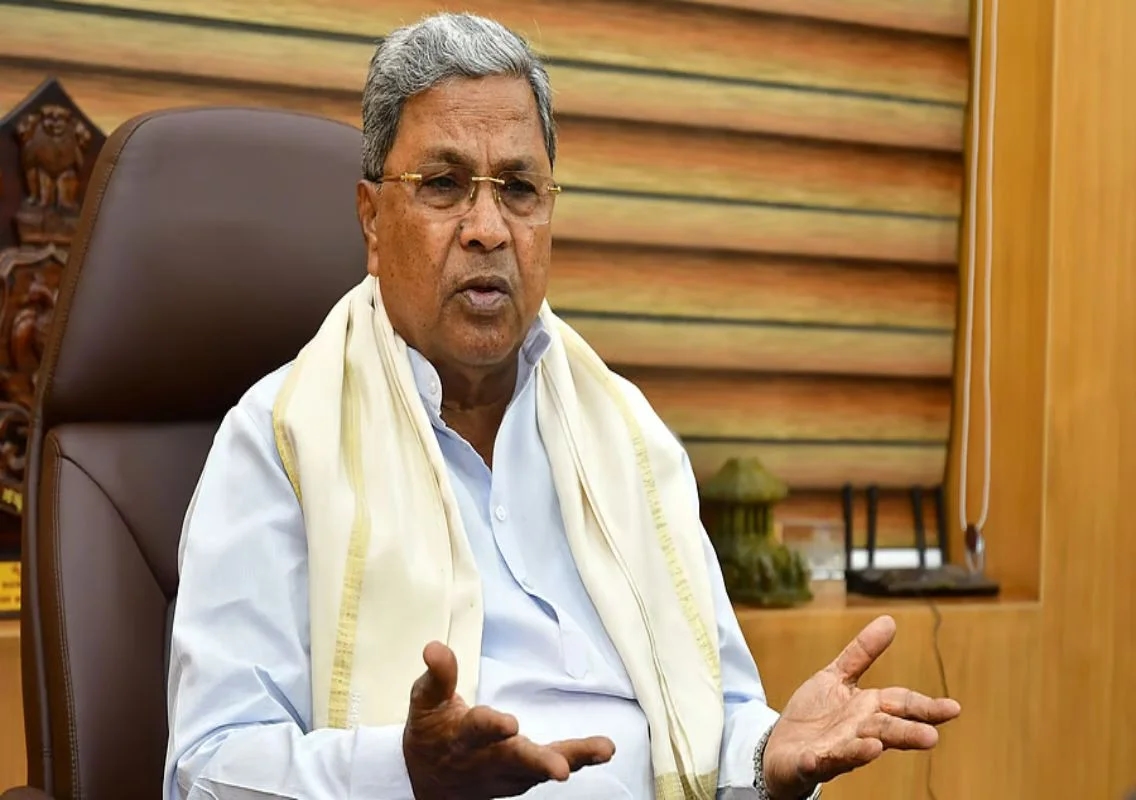


Bengaluru: Karnataka Chief Minister Siddaramaiah has strongly criticised what he termed as “injustice” towards Kannadiga jobseekers in Union government recruitment examinations, accusing the Centre of promoting Hindi at the cost of regional languages.
In a post on X, the chief minister alleged that there was a “devious agenda” of Hindi imposition in recruitment processes for various central departments.
Allegations of ‘linguistic tyranny’
Siddaramaiah said Kannadigas were already facing the adverse effects of what he described as the Union government’s preference for Hindi, coupled with a dismissive attitude towards regional languages like Kannada.
“We cannot tolerate the Centre’s ‘linguistic tyranny’, which allows only Hindi and English in central exams solely to benefit Hindi speakers from North India,” he said.
He emphasised that such policies were unfair to aspirants from Karnataka and other non-Hindi-speaking regions.
Criticism of railway recruitment policy
The chief minister specifically targeted the Indian Railways, accusing it of taking an “anti-Kannada stance” in recruitment examinations.
He also expressed disappointment with V Somanna, stating that despite being a Kannadiga, the minister had failed to address the issue.
“I had hoped that Somanna would stand up for Kannadigas and rectify this injustice, but that trust has been betrayed,” Siddaramaiah remarked, urging him to focus more on action than rhetoric.
Call for Prime Minister’s intervention
Siddaramaiah appealed to Narendra Modi to intervene and ensure that Kannada-speaking candidates are not disadvantaged in recruitment processes.
He demanded that cancelled examinations be conducted again, with an option for candidates to write them in Kannada.
Demand for regional language inclusion
Echoing similar concerns, Purushottama Bilimale, Chairman of the Kannada Development Authority, urged Members of Parliament from Karnataka to press the Union government to include all regional languages in railway recruitment and promotion exams.
In a formal communication, Bilimale noted that the absence of Kannada in such examinations had caused widespread dissatisfaction among aspirants and language advocates in the state.
Ongoing language debate
The issue has once again brought the debate over language policy and regional representation into focus, particularly in competitive examinations conducted by central agencies.
Karnataka has historically advocated for the protection and promotion of Kannada in administrative and public domains, and the latest remarks signal a renewed push for linguistic inclusivity.
Conclusion
Siddaramaiah’s sharp remarks underline growing concerns in Karnataka over language-based disparities in central recruitment processes. With calls for policy changes and greater inclusivity, the matter is likely to remain a key political and cultural issue in the coming days.