







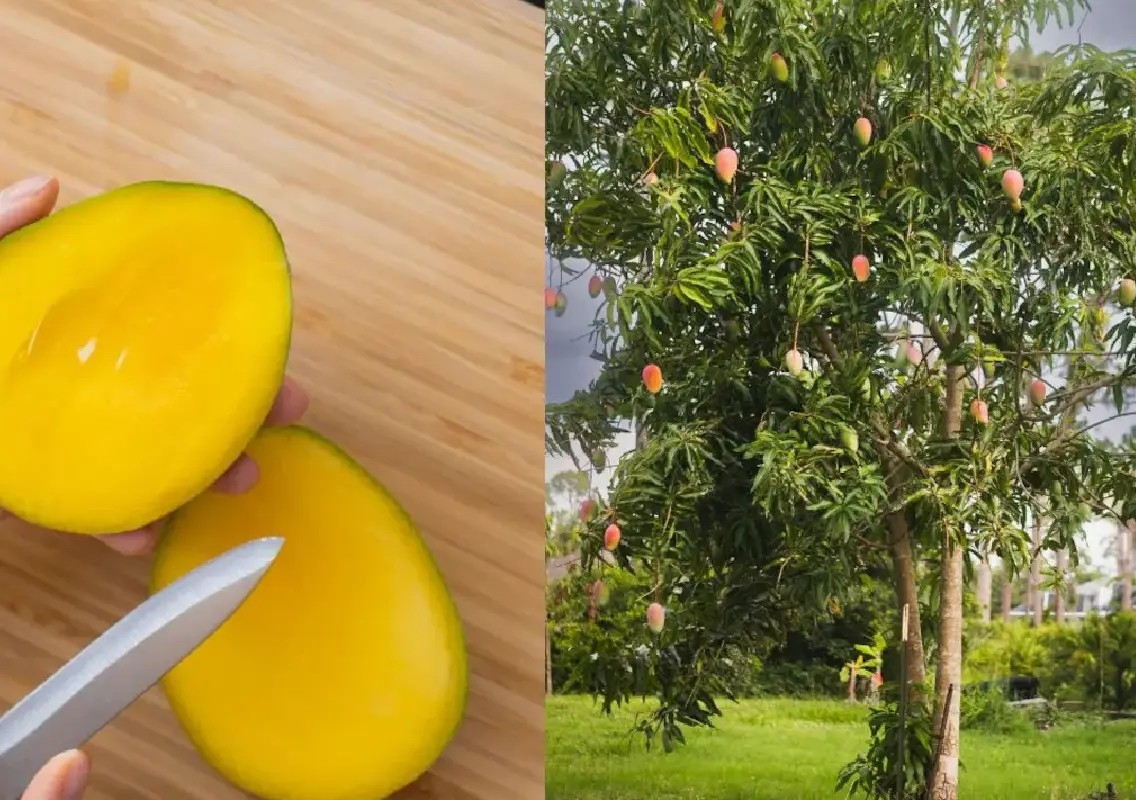


For millions across South Asia, mango season is more than just a time to enjoy a favourite fruit. It is a celebration of culture, tradition and community. A growing travel trend known as “mango tourism” is now encouraging enthusiasts to visit orchards, museums and conservation projects dedicated to preserving the heritage of the beloved fruit.
Discovering rare mango varieties
One of the most fascinating destinations is the Anil Farms Mango Museum in Gujarat, located near Gir National Park. The museum houses more than 230 mango varieties from India and around the world, including Alphonso, Kesar, Langra and Dashehari, alongside international cultivars.
In Kerala, the villages of Kuruvakkavu and Kannapuram have become known for their community-led efforts to preserve indigenous mango varieties. Residents collectively protect more than a hundred traditional types, helping conserve valuable agricultural biodiversity.
Exploring India’s mango heritage
The ICAR-Central Institute for Subtropical Horticulture in Lucknow offers visitors an insight into the science behind mango cultivation. Its Mango Museum showcases breeding techniques, biotechnology and sustainable farming practices while highlighting the historic Dashehari mother tree, believed to be over 250 years old.
Meanwhile, Malihabad in Uttar Pradesh, often called India’s mango capital, provides visitors with a chance to experience centuries-old orchard traditions and witness mango harvesting first-hand.
Mango experiences beyond India
The Philippines is also home to popular mango tourism destinations. The Profood Mango Museum explores the fruit’s role in the country’s economy, while Guimaras Island is renowned for producing some of the world’s sweetest mangoes.
Visitors can enjoy orchard tours, mango festivals and a variety of mango-inspired dishes, from desserts and jams to unique culinary creations.
These destinations show that mangoes are far more than a seasonal delicacy. They represent cultural identity, farming traditions, biodiversity conservation and innovation, making mango tourism a unique experience for food and travel enthusiasts alike.