







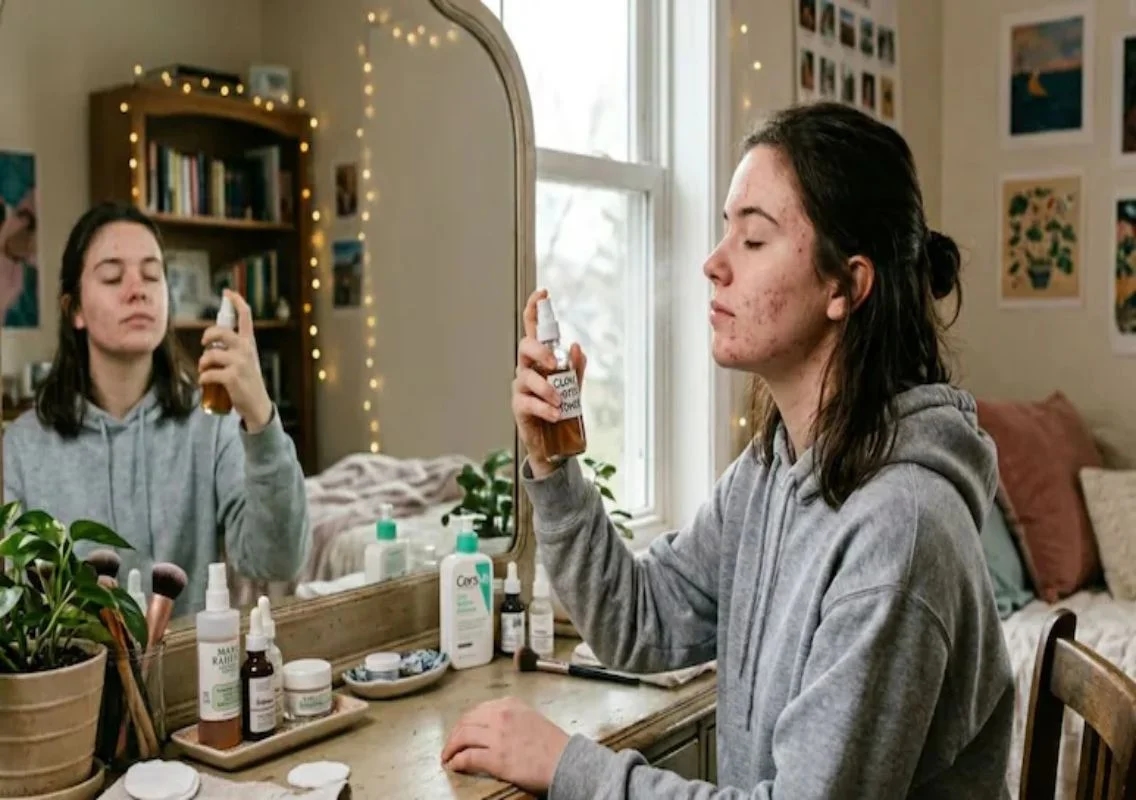


New Delhi: A new skincare trend involving clove water is gaining popularity across social media platforms, with influencers it as a natural remedy for acne, dullness, and uneven skin tone. While the DIY solution is being promoted as a “glow-up mist,” experts caution that the science behind these claims remains limited and inconclusive.
Viral trend fuels ‘natural skincare’ appeal
From ice facials to slugging, social media trends continue to shape beauty routines, often promising quick and visible results. The latest entrant, clove water, is typically prepared by boiling cloves in water, cooling the mixture, and applying it as a facial mist or toner.
The trend’s popularity stems from its affordability, ease of preparation, and use of traditional ingredients. Influencers claim that regular use can reduce acne, tighten pores, and brighten the complexion.
What makes cloves effective?
Cloves contain eugenol, a compound known for its antimicrobial and anti-inflammatory properties. These characteristics have long been utilised in traditional remedies, particularly for dental pain and minor infections.
In theory, these properties could benefit the skin by:
- Reducing acne-causing bacteria
- Calming inflammation and redness
- Offering mild antioxidant effects
However, experts emphasise that benefits observed in laboratory settings do not always translate into safe or effective skincare outcomes.
Limited scientific evidence
There is currently no large-scale clinical research supporting the use of clove water as a treatment for acne or skin brightening. Most available evidence is derived from studies on clove oil or isolated eugenol.
While these studies suggest potential antibacterial and anti-inflammatory effects, dermatologists warn against overinterpreting such findings. Eugenol is a potent compound that can irritate the skin, particularly when used in uncontrolled concentrations.
Can clove water treat acne?
Clove water may offer mild benefits for some individuals, especially those with oily or acne-prone skin. Its antibacterial properties could help reduce microbes, while its anti-inflammatory nature may ease redness.
However, acne is a complex condition influenced by multiple factors such as hormones, genetics, and lifestyle. A single home remedy is unlikely to provide consistent or long-term results.
Risks and precautions
One of the key concerns with viral skincare hacks is the lack of standardisation. The concentration of clove water can vary significantly depending on preparation, increasing the risk of adverse effects.
Common side effects include:
- Skin irritation and redness
- Burning or stinging sensation
- Dryness and flakiness
- Allergic reactions
Individuals with sensitive or eczema-prone skin are particularly vulnerable. Experts recommend patch testing and avoiding application on broken or inflamed skin. The use of sunscreen is also essential, as irritation can increase sensitivity to sunlight.
The bottom line
While clove water contains compounds with potential skin benefits, it lacks robust scientific validation as an acne treatment. The risk of irritation further limits its suitability as a universal skincare solution.
Dermatologists advise relying on clinically proven treatments for acne management rather than viral DIY remedies.