







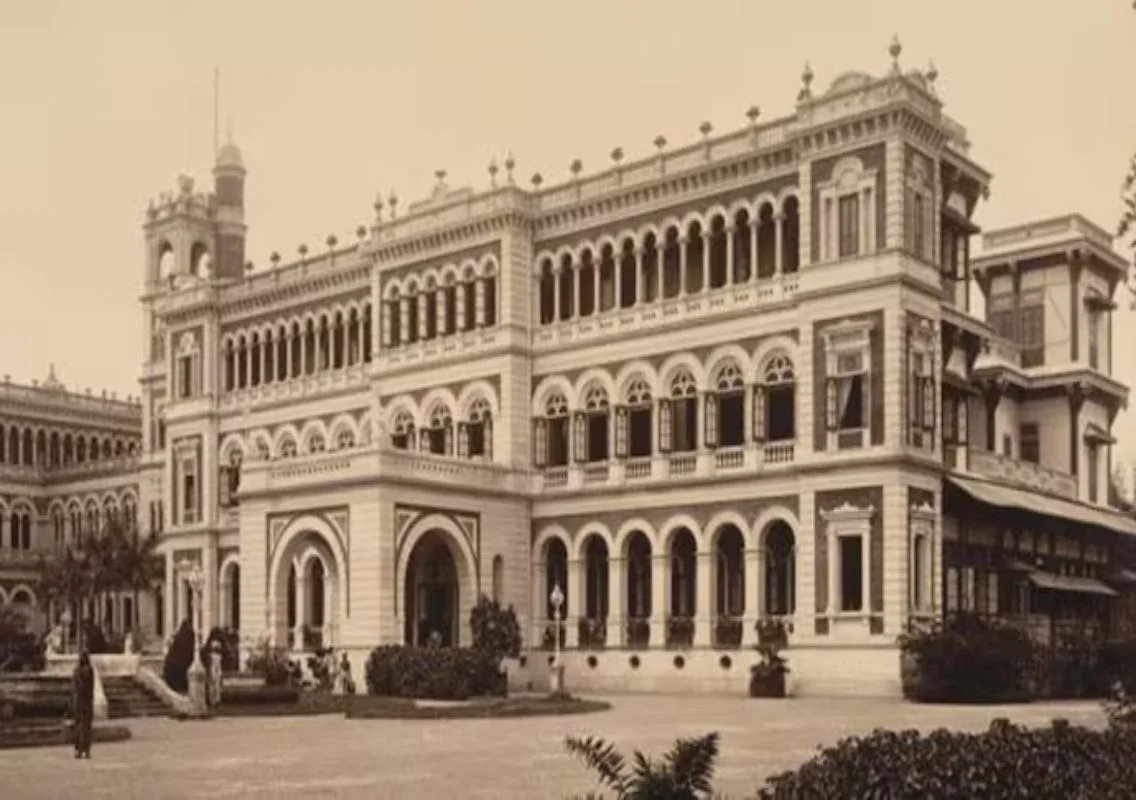


Vadodara: A century-old royal menu from a state dinner hosted by Maharaja Sayajirao Gaekwad III for Maharaja Madhavrao Scindia I has gone viral on social media, offering a fascinating glimpse into the refined and globally influenced culinary tastes of Indian royalty.
The menu, reportedly from a grand gathering at Makarpura Palace, has captured widespread attention online for its elaborate European-style spread, complete with French-named dishes, seafood preparations and even a prawn curry served alongside continental offerings.
A vintage menu with global flair
The rediscovered menu reflects how Indian royalty had embraced global culinary influences long before modern fine dining became fashionable. The meal began with Anchois à la Norvégienne, a cold anchovy preparation, followed by Purée d’asperges, a smooth asparagus soup.
The spread also featured Poisson à la Villeroy, a delicately coated fish dish, and Côtelettes de lièvre à l’allemande, referring to German-style hare cutlets. Other offerings included Salade Russe (Russian salad) and Chou-fleur à la Hollandaise, a cauliflower dish paired with a rich buttery sauce.
Interestingly, the menu also included Crevettes curry et riz—a prawn curry with rice—highlighting a seamless blend of Indian and European culinary traditions on a single table.
Desserts and poetic detail
The dessert course was equally indulgent, featuring Pistachio pudding (chaud), a warm pistachio-based sweet, and Glace à la Japonaise, a French-style ice cream.
What has intrigued many historians and food enthusiasts is a poetic note printed at the end of the menu. Loosely translated, it appears to describe the sequence of dishes and serve as a subtle dedication to the visiting royal guest.
This artistic flourish suggests that such banquets were not merely about food but also about presentation, storytelling and cultural exchange.
Food as a symbol of prestige
Historians note that royal banquets in princely India were carefully curated experiences, especially when hosting dignitaries from other states. Food played a crucial role in showcasing wealth, sophistication and openness to global influences.
The use of French terminology in menus was particularly significant. During the colonial era, French cuisine was widely regarded as the gold standard of fine dining. Adopting such styles signalled modernity, refinement and international awareness.
Experts believe that royal kitchens of the time were highly adaptive, with chefs trained to incorporate diverse techniques and ingredients despite limited access to modern logistics.
More such menus resurface
The viral menu is not an isolated example. Historian Neha Vermani recently shared another vintage menu featuring dishes such as fish in mayonnaise sauce, chicken soup with truffles and Italian-style mutton cutlets.
Such findings reinforce the idea that Indian royalty was far more experimental and globally connected in its culinary practices than commonly assumed.
Rediscovering India’s culinary past
The renewed interest in these menus has sparked conversations about India’s rich gastronomic heritage. While Indian cuisine is often associated with traditional dishes and regional flavours, these royal records highlight an early form of fusion cuisine.
From anchovies to asparagus, and from truffles to prawn curry, the menus reveal a dining culture that was both indulgent and innovative.
Conclusion
The viral royal menu serves as a reminder that the concept of curated dining experiences is far from new in India. Long before modern gastronomy trends took centre stage, Indian maharajas were already experimenting with global flavours and presentation styles.
As social media continues to unearth such historical gems, they not only entertain but also deepen our understanding of India’s culinary evolution—one royal feast at a time.