


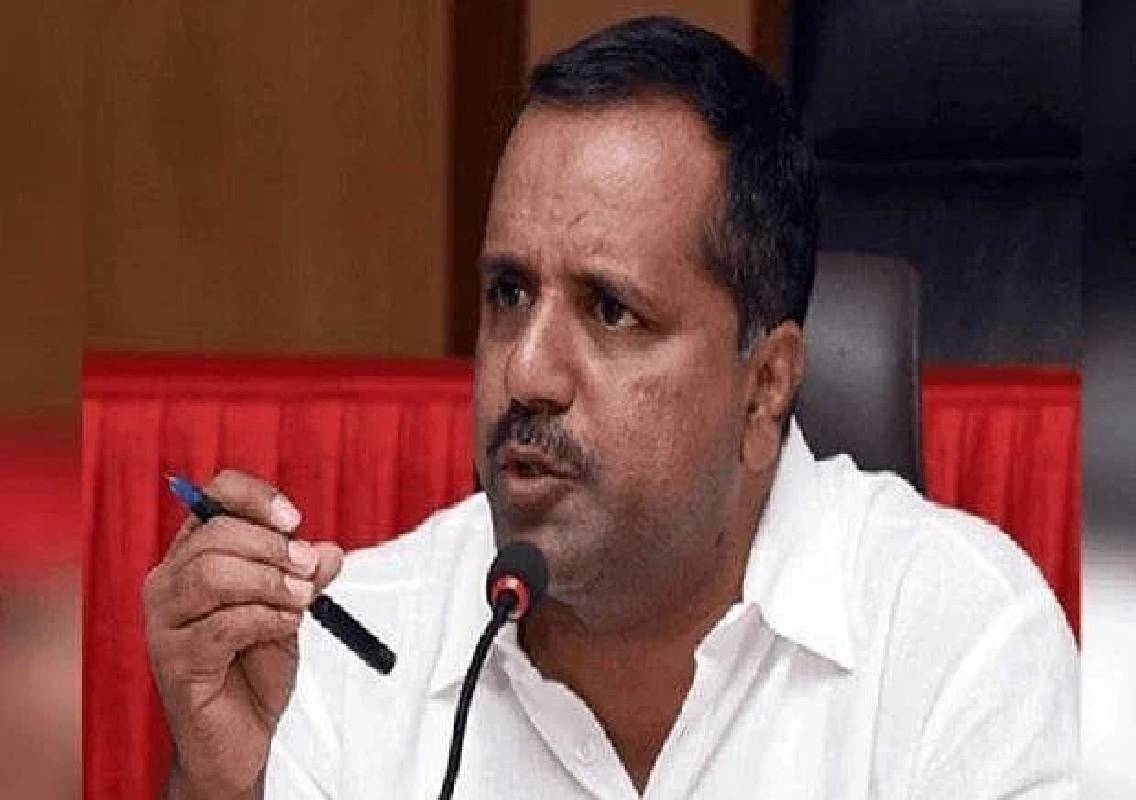


MANGALURU: The Centre has capped trade margins on 137 cancer medicines, a move expected to reduce their maximum retail prices (MRPs) and ease the financial burden on patients and their families. Karnataka Health and Family Welfare Minister U.T. Khader has welcomed the decision, describing affordable access to life-saving medicines as an important public health priority.
The revised prices will take effect from November 9. The measure covers non-scheduled cancer drugs and is expected to reduce the MRPs of some medicines by up to 70%, depending on their existing pricing.
The decision follows concerns over the high cost of cancer treatment and reported discrepancies between the costs of medicines and the prices charged to consumers.
Trade margins capped at 30%
Under the measure reported by Daijiworld, the trade margin on the MRP of the covered non-scheduled cancer medicines has been capped at 30%. The revised pricing is expected to make a range of cancer treatments more affordable.
Medicines mentioned in the report include pembrolizumab, durvalumab and osimertinib, which are used in cancer treatment. The exact price reduction will depend on the individual medicine and its existing price.
Pharmaceutical manufacturers have been directed to publish revised price lists, while pharmacies must display the applicable prices. Chemists and hospitals will be required to sell the covered medicines at the revised rates from November 9, according to the report.
The move is expected to benefit patients who require expensive medicines as part of long-term cancer treatment. However, the actual savings for individual patients will depend on the medicines prescribed and the revised prices notified for those products.
Khader highlights price discrepancies
Welcoming the Centre’s decision, Khader said the cost of cancer medicines places a substantial financial burden on patients and their families. He noted that some households are forced to borrow money or sell assets to meet treatment expenses.
Khader said inspections by Karnataka’s Food Safety and Drugs Administration had identified significant price discrepancies involving cancer medicines from 254 pharmaceutical companies.
According to the minister, medicines produced at relatively low costs were reaching consumers at substantially higher MRPs. He said he had instructed officials to examine the variations and take appropriate action.
The issue was subsequently brought to the attention of central authorities, including the National Pharmaceutical Pricing Authority (NPPA) and the Central Drugs Standard Control Organisation (CDSCO).
Karnataka had sought central intervention
Khader recalled raising the issue at a press conference at Arogya Soudha in Bengaluru on September 9, when he called for stronger regulation of cancer drug prices.
He said information documenting price differences, landing costs and retail prices was submitted to the relevant central authorities for consideration.
The minister also acknowledged the role of the media in bringing the issue of medicine pricing into the public domain. He described the reported intervention by the NPPA as an important development in efforts to improve affordability.
Khader further referred to a public interest litigation filed in the Supreme Court concerning the issue, describing it as a significant step in the wider discussion on cancer drug pricing.
Focus on affordable cancer treatment
The Centre’s decision is expected to provide financial relief to patients who depend on costly medicines. Cancer treatment can involve repeated consultations, diagnostic tests, hospital visits and long courses of medication, making the overall expense difficult for many families to manage.
Khader urged continued coordination between the state and central governments to improve transparency in medicine pricing and reduce unnecessary financial pressure on patients.
He said no patient should be forced to discontinue treatment because of the cost of essential medicines.
The revised prices are scheduled to come into effect on November 9, 2026. Patients and caregivers will need to check the updated price lists for their prescribed medicines to understand the savings applicable to their treatment.
The impact of the measure will depend on its implementation, compliance by manufacturers and sellers, and the extent to which the revised prices reduce patients’ out-of-pocket expenses.