









Mangaluru: Dakshina Kannada has recorded a 29% rainfall deficit this year, raising concerns over possible drought conditions if the coastal district does not receive adequate rainfall during the post-monsoon season.
The rainfall shortfall has come amid a broader decline in rainfall across the country, with the coastal region also recording a 29% deficit. The reduced rainfall has affected water seepage, groundwater recharge and paddy cultivation, while unusually warm soil conditions have been reported as early as September.
Across Karnataka, 57 taluks in 25 districts have been reported to be facing severe drought conditions, while moderate drought has been reported in another 45 taluks.
Dakshina Kannada records 29% rainfall deficit
Dakshina Kannada normally receives 3,528.0 mm of rainfall by the end of September. However, the district has received only 2,505.9 mm this year, resulting in a deficit of 1,022.1 mm, or 29%.
According to the Central government’s drought management guidelines cited in the report, a district is considered drought-affected when the rainfall deficit reaches 33%.
Weather department experts have indicated that if the district does not receive adequate rainfall during the post-monsoon period, the rainfall deficit could increase further and the district could be declared drought-affected.
The situation is notable for a coastal district such as Dakshina Kannada, which normally receives substantial rainfall during the southwest monsoon and frequently experiences flooding during periods of intense precipitation.
However, the district has not witnessed the usual pattern of repeated flooding this year. Instead, only one significant flooding episode was reported following a spell of heavy rain.
Several taluks record substantial shortfall
The rainfall deficit has been recorded across several taluks of Dakshina Kannada.
Beltangady has recorded a deficit of 1,345 mm, while Bantwal has recorded a shortfall of 1,189 mm. Mangaluru has recorded a deficit of 1,225 mm, while Puttur has recorded a shortfall of 1,496 mm.
Other taluks have also recorded significant deficits. Sullia has recorded a deficit of 310 mm, Moodbidri 1,123 mm, Kadaba 561 mm, Mulki 1,518 mm and Ullal 1,033 mm.
Among the taluks listed, Beltangady, Mangaluru and Mulki have recorded particularly high rainfall deficits.
The situation has prompted concerns that preparations to deal with potential water scarcity and drought conditions may need to begin early rather than waiting until the end of the monsoon cycle.
Fewer heavy rain spells affect groundwater recharge
Dakshina Kannada normally receives several spells of heavy rain between June and August. Such intense rainfall often leads to flooding in low-lying areas and contributes significantly to the replenishment of surface and groundwater resources.
This year, however, the pattern has been different.
Instead of the usual three to four spells of heavy rainfall during the peak monsoon months, the district experienced only one significant flooding episode following heavy rain.
The drizzle commonly experienced during the Aati month also plays an important role in allowing rainwater to seep into the ground and recharge groundwater sources. The reduced rainfall this year has resulted in a decline in such water seepage.
The lower groundwater recharge could become a concern if the post-monsoon season also fails to bring sufficient precipitation.
Unusual heat raises concern
Another concern is the unusually warm condition of the soil.
The heat and warmth of the ground normally associated with March have reportedly been observed as early as September this year. The early onset of such conditions has added to concerns among farmers and others dependent on rainfall.
The combination of reduced rainfall, lower groundwater recharge and warmer soil conditions could have implications for agriculture if the rainfall deficit persists.
Dakshina Kannada’s agricultural cycle is closely linked to the southwest monsoon. Paddy cultivation, in particular, requires adequate rainfall during August and September.
Paddy crops show impact of rainfall shortage
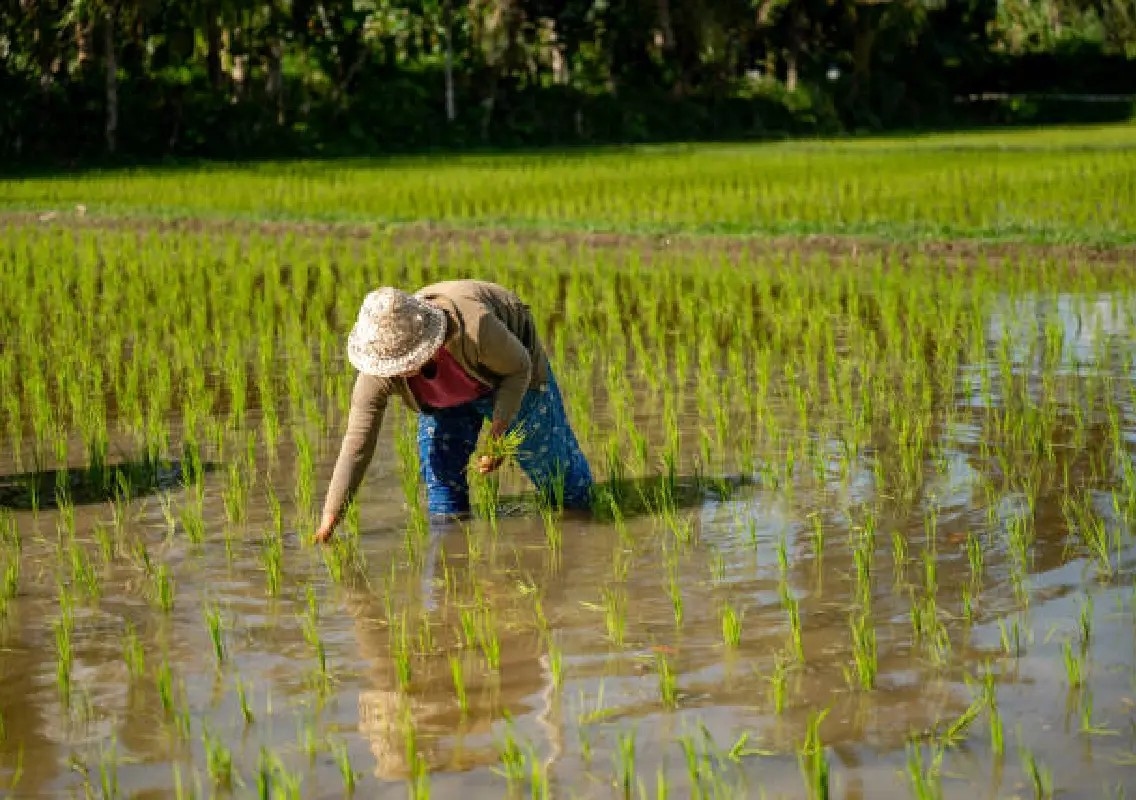
The rainfall deficit has already affected paddy cultivation in parts of the district.
During August and September, paddy fields normally receive sufficient rainfall to support healthy crop growth. When rainfall is adequate during these months, the plants generally remain lush green and develop healthy grain-bearing ears.
This year, however, several paddy crops have reportedly changed colour and begun to appear scorched.
The paddy ears, which are expected to emerge and bend under the weight of developing grain, have also not shown the expected growth in several areas.
The impact is compounded by a decline in the area under paddy cultivation. Paddy cultivation in the district is estimated to have fallen by around 40% to 50% compared to normal levels this year.
The reduced cultivation area, combined with inadequate rainfall, has added to concerns among the farming community.
Earlier drought years recalled
The current rainfall situation has also brought back memories of previous drought declarations in parts of Dakshina Kannada.
During 2017-18, Mangaluru and Bantwal were among the areas affected by drought conditions. In 2023-24, Mangaluru and Moodbidri figured among the drought-affected areas.
The current rainfall deficit is being closely monitored as the district moves towards the post-monsoon period.
While the district has not yet crossed the 33% deficit threshold cited under the drought management guidelines, the present 29% shortfall leaves relatively little margin if rainfall remains below normal.
With the post-monsoon season still ahead, the rainfall received in the coming weeks will be important for agriculture, groundwater recharge and water availability across Dakshina Kannada.