







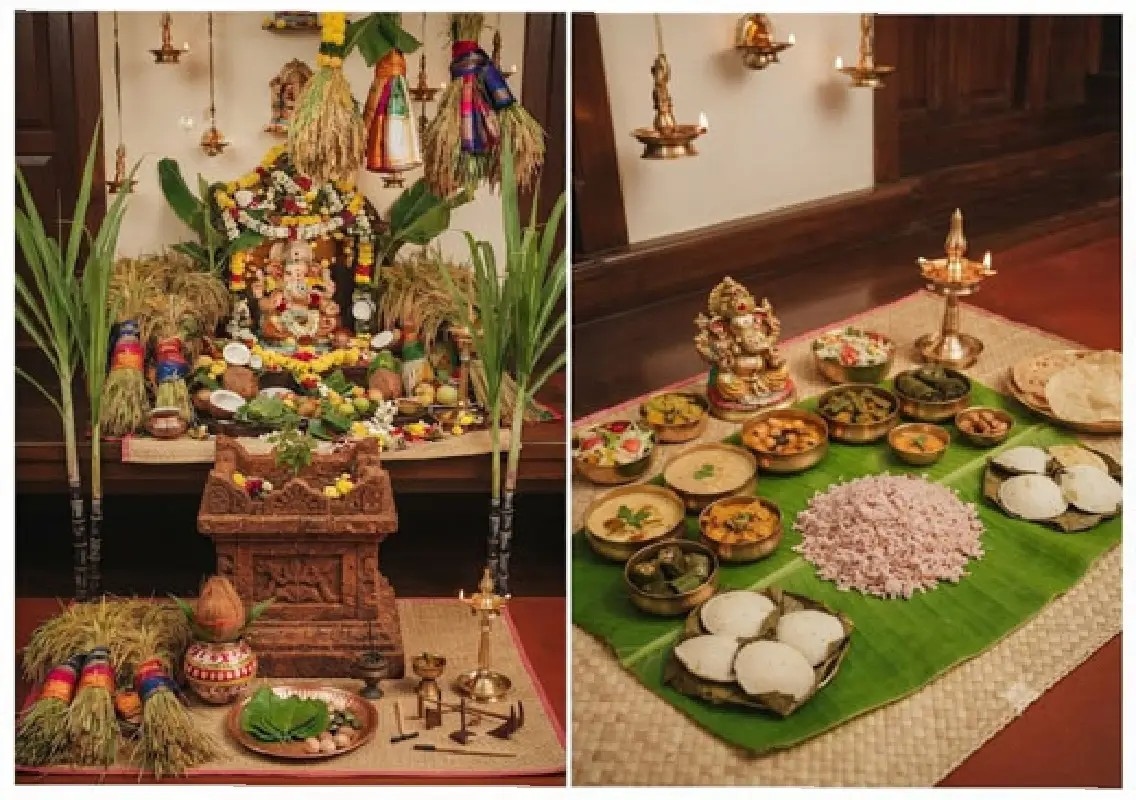


Mangaluru: Amid the celebrations of Ganesh Chaturthi, Tulunadu is witnessing the vibrant observance of Kural Parba, also known as Thene Habba, a traditional festival deeply connected with the region’s agricultural culture and way of life.
The festival celebrates the arrival of the new harvest, with freshly harvested paddy ears offered to the presiding deity before being brought home and tied to houses, daivasthanas and agricultural implements.
The ritual is traditionally performed as a prayer for a good agricultural season, a plentiful harvest, prosperity and the well-being of the family.
An age-old harvest tradition
Kural Parba has been observed for generations across villages, magane and seeme areas, as well as temples in Tulunadu. While the central theme remains the celebration of the new harvest, the rituals and customs associated with the festival vary from one locality and family to another.
The festival reflects the close relationship between agriculture, spirituality and community life in the coastal region.
At the heart of the celebration is the newly harvested paddy, which represents the fruits of farmers’ labour and the beginning of another agricultural cycle.
As part of the tradition, paddy ears are first offered at the shrine of the village’s presiding deity. Special prayers are performed seeking blessings for a prosperous agricultural season and the well-being of the community.
‘Kural’ made with paddy and leaves
One of the principal elements of Kural Parba or Thene Habba is the ‘Kural’, which is traditionally prepared using paddy ears along with locally available leaves and natural fibres.
The Kural is prepared with paddy ears, jackfruit leaves, mango leaves, ittevu leaves and fibres of the daddalu tree.
After being prepared, the Kural is taken to the shrine of the village deity, where prayers and rituals are performed.
The paddy ears are then brought back from the temple after the rituals. They are tied to the house, daivasthana and agricultural implements as part of the traditional observance.
The ritual is symbolic of the community’s dependence on agriculture and its prayers for a successful crop, abundant harvest and prosperity.
Paddy brought home with traditional ritual
The paddy ears brought from the temple are first placed near the Tulasi katte, where members of the family offer prayers.
Paddy ears cultivated in the family’s own agricultural fields are also added to the ritual. The family then goes around the Tulasi katte three times before bringing the newly harvested paddy into the house.
While entering the house with the new harvest, the family traditionally chants “Poli, Poli”, seeking abundance and prosperity.
The ritual marks the symbolic entry of the new crop into the household and reflects the importance traditionally attached to the first harvest.
Worship at the chaavadi
The rituals continue at the chaavadi, or central hall, of the traditional house.
A banana leaf is placed on a wooden chair, and the paddy ears are arranged along with mango leaves, jackfruit leaves, ittevu leaves and daddalu fibre.
The arrangement is then worshipped by the family.
Prayers are offered for a successful agricultural season, a plentiful harvest and happiness and prosperity in the year ahead.
The practice connects the household directly with the agricultural cycle and expresses gratitude for the new crop and the labour involved in cultivating it.
Feast of new rice
An important part of Kural Parba is the new rice feast, which adds a culinary dimension to the harvest celebration.
Rice prepared using the newly harvested paddy is served along with a variety of traditional vegetable dishes and payasa.
As per the tradition, the newly prepared food is first offered to the deity as naivedya. It is then shared among family members as prasada.
The meal celebrates the arrival of the new crop and provides an opportunity for family members to come together and share food prepared from the fruits of the latest harvest.
The use of newly harvested rice also gives the feast a special significance, as the grain is not merely consumed but first offered in gratitude and prayer.
Celebration of agriculture and farmers
Kural Parba is more than a religious observance. It is also a celebration of the agricultural heritage of Tulunadu and the hard work of farmers.
The festival brings together several aspects of traditional life — worship, the new harvest, farming practices, family customs and hopes for prosperity.
The freshly harvested paddy serves as a symbol of abundance and the continued connection between people and the land.
The practice of taking the paddy to the deity before bringing it home also reflects the traditional belief that the first fruits of agricultural labour should be offered in gratitude.
Preserving Tulunadu’s cultural heritage
The continued observance of Kural Parba across Tulunadu helps preserve the region’s distinctive agricultural and cultural traditions.
Although modern lifestyles have changed farming practices and household customs in many areas, festivals such as Thene Habba continue to keep traditional rituals connected with agriculture alive.
The observance also provides younger generations with an opportunity to understand the significance of paddy cultivation, the seasonal agricultural cycle and the customs followed by earlier generations.
By combining religious worship with the celebration of the harvest and a traditional family feast, Kural Parba continues to hold an important place in the cultural life of Tulunadu.
As freshly harvested paddy is offered to the deity and then brought into homes with prayers of “Poli, Poli”, the festival carries a simple but enduring message — gratitude for the harvest, respect for farmers’ labour and hope for abundance, happiness and prosperity in the year ahead.