







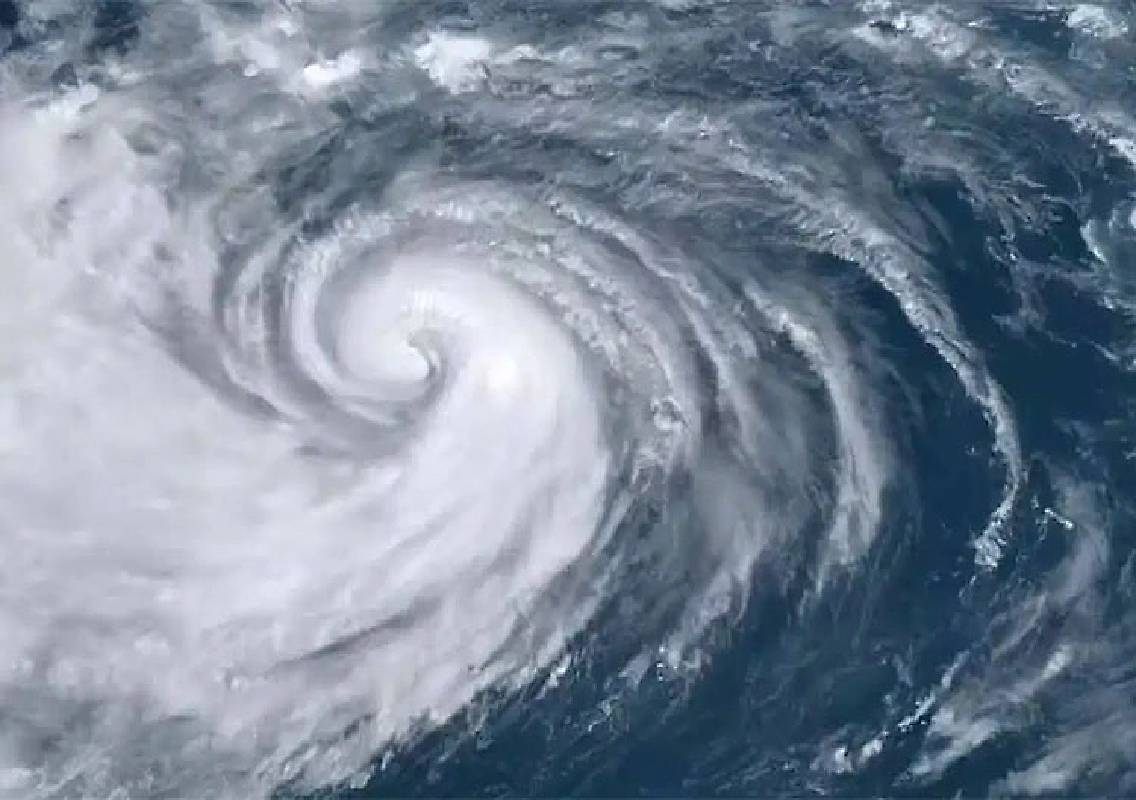


Mangaluru: Rainfall activity in Mangaluru and coastal Karnataka has weakened amid the absence of strong cyclonic systems that can enhance monsoon activity over the region. The development comes at a time when Karnataka is already experiencing a significant rainfall deficit, with coastal and Malnad districts also receiving below-normal rainfall.
The Udayavani report attributes the weakening rainfall over Mangaluru to the lack of cyclonic systems, highlighting the important role such weather systems play in strengthening precipitation during the monsoon.
Lack of weather systems affects rainfall
Cyclonic circulations and low-pressure systems can draw moisture into a region and trigger widespread rainfall. When such systems are absent or weak, rainfall over coastal Karnataka can become less consistent despite the region remaining under the broader influence of the southwest monsoon.
Mangaluru, being located along the Karnataka coast and close to the Arabian Sea, normally receives substantial rainfall during the southwest monsoon. However, rainfall patterns can vary considerably depending on the movement and strength of larger weather systems.
The current weakening trend is therefore being closely watched as the monsoon season moves towards its later stages.
Karnataka records widespread rainfall deficit
The situation in Mangaluru comes against the backdrop of a wider rainfall shortage across Karnataka.
According to Karnataka State Natural Disaster Monitoring Centre data cited in a recent report, 30 of the state’s 31 districts had received below-normal rainfall by early September. Coastal and Malnad districts, which are important catchment areas for several rivers, were also facing rainfall deficits ranging from 20% to 36%.
The rainfall shortage has prompted the Karnataka government to consider declaring additional taluks drought-hit. The state had already declared 101 taluks as drought-hit, with another 25 being considered for the designation.
The situation is particularly significant for districts dependent on the southwest monsoon for agriculture, groundwater recharge and reservoir inflows.
Coastal Karnataka needs stronger rainfall
Dakshina Kannada, Udupi and Uttara Kannada are among Karnataka’s important rainfall regions. Their heavy monsoon precipitation supports rivers, reservoirs, agriculture and groundwater resources across the coastal belt and adjoining areas.
A prolonged reduction in rainfall can affect these resources even in regions that normally receive much more rain than the rest of the state.
The absence of stronger cyclonic systems is therefore important because such systems can temporarily increase moisture availability and rainfall intensity over coastal areas.
However, rainfall depends on several atmospheric factors, including wind patterns, moisture availability, pressure systems and the position of the monsoon trough. A single weather system cannot determine the rainfall pattern for the entire season.
Current weather systems remain important
The India Meteorological Department’s current coastal Karnataka outlook shows that rainfall activity can change as new weather systems develop over the Arabian Sea or adjoining regions. On September 11, the IMD’s warning bulletin did not indicate a warning for Mangaluru, although forecasts can change with the development and movement of weather systems.
Meanwhile, a low-pressure system over the northwest and west-central Bay of Bengal was influencing weather conditions across parts of India on September 12. Such systems can contribute to rainfall over several regions, but their eventual movement and interaction with the monsoon circulation determine the areas that receive significant precipitation.
Rainfall deficit raises wider concerns
The rainfall shortage is not limited to Mangaluru. Karnataka’s overall deficit has raised concerns about water availability and agriculture, particularly if rainfall remains weak during the remaining monsoon period.
The Indian Express reported that the state was considering expanding the drought-hit list because of widespread rainfall deficiency. Bengaluru Urban, for instance, had received only 183 mm of rainfall between June 1 and September 8, against a normal of around 320 mm, representing a 44% deficit.
The broader rainfall pattern also comes amid unusual monsoon behaviour across India. The India Meteorological Department has reported drought-like rainfall conditions in more than 200 districts during the recent four-week period, while experts have linked part of the disruption to the ongoing El Niño conditions.
Outlook for Mangaluru
For Mangaluru, the immediate focus remains on whether stronger weather systems develop and bring renewed rainfall to the coast.
A return of favourable cyclonic circulations could improve rainfall activity, while their continued absence could result in more intermittent showers during the later part of the monsoon.
With coastal Karnataka already recording a rainfall deficit, sustained precipitation will be important for maintaining water resources and supporting the region’s agricultural and ecological needs.
The weakening rainfall in Mangaluru therefore reflects not just a short-term change in weather but also the wider irregularity of the 2026 monsoon across Karnataka.
Excerpt:
Mangaluru’s rainfall activity has weakened amid a lack of cyclonic systems, as Karnataka continues to face a widespread monsoon deficit.