







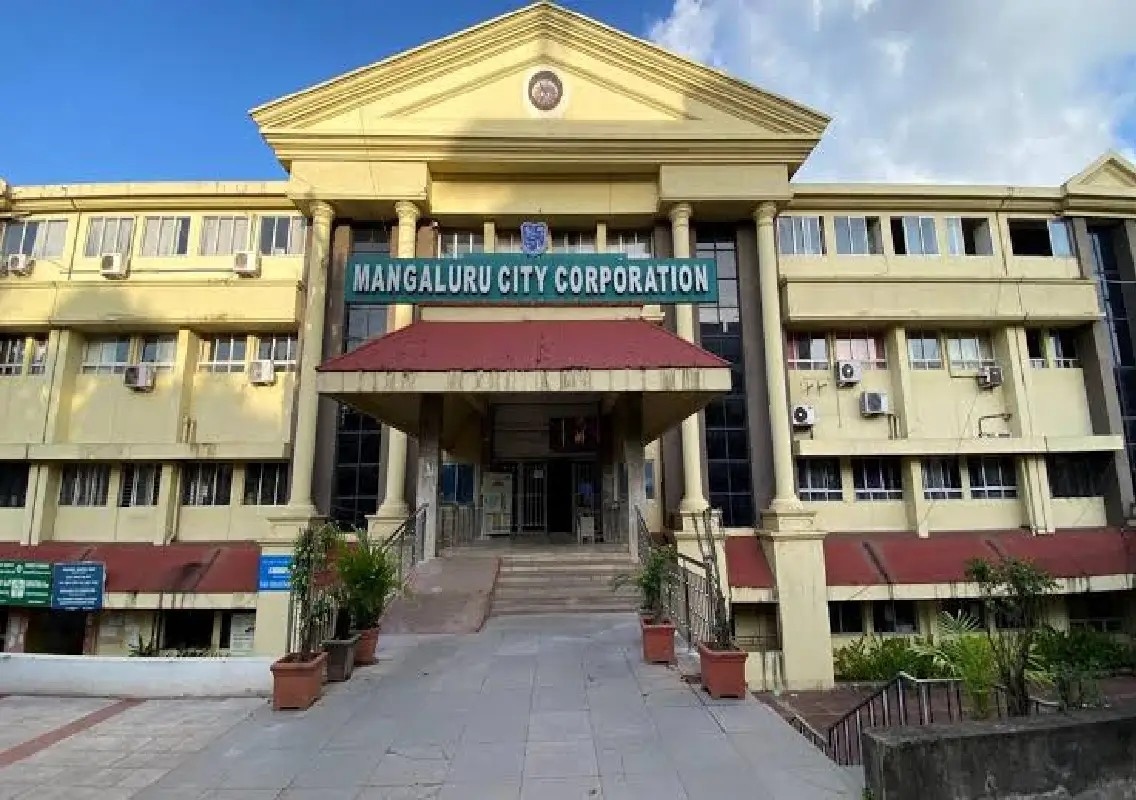


Mangaluru: The Public Undertakings Committee of the Karnataka Legislative Assembly has recommended the release of Rs 1,250 crore for a proposed comprehensive underground drainage (UGD) project in Mangaluru City Corporation (MCC) limits, with the report tabled in the Legislative Council on Thursday.
The recommendation comes amid growing concerns over ageing drainage infrastructure, inadequate sewage treatment, pollution of water sources and the need to expand underground drainage facilities to areas that currently lack proper networks.
The Public Undertakings Committee had conducted a joint inspection on May 27 of various works undertaken by the Karnataka Urban Infrastructure Development and Finance Corporation (KUIDFC) under the Urban Development Department in Mangaluru and Udupi districts. The inspection covered drinking water and underground drainage projects in both districts.
Rs 840 crore for existing drainage network
Of the proposed Rs 1,250 crore, around Rs 840 crore has been estimated for the rejuvenation of the existing underground drainage network within Mangaluru City Corporation limits.
The proposed works include replacing old and dilapidated stoneware pipelines and red-stone manholes with modern infrastructure. The committee has recommended the use of RCC manholes and UPVC, RCC or DI pipelines as part of the comprehensive upgrade.
The existing network in several parts of the city has been in use for years, and deterioration of pipelines and associated infrastructure has contributed to problems related to sewage management. Replacing the ageing components is expected to improve the efficiency and reliability of the drainage system.
The project would also include upgradation works and the construction of wet wells, which are important components of sewage collection and pumping infrastructure.
Rs 410 crore for areas without UGD
A further Rs 410 crore has been estimated for developing underground drainage networks in areas of the city where such facilities are currently unavailable.
The committee stressed that Mangaluru’s expanding population and rapid urbanisation have increased the need for adequate sanitation infrastructure. It said UGD works should be taken up on a priority basis in identified areas to address the growing demand.
The absence of adequate underground drainage facilities has contributed to environmental concerns, unsanitary conditions, pollution of water sources and inconvenience to residents. A comprehensive expansion of the network is expected to help address these issues while supporting the city’s future growth.
The committee also noted that timely implementation of the proposed works could improve public health, strengthen sanitation standards, prevent waterlogging and contribute to more sustainable urban development.
Concern over sewage discharge at Kandevi
During its inspection, the committee also highlighted the cultural and environmental significance of Kandevi in Chelur village.
The committee observed that inadequately treated sewage was being discharged directly into the river. It noted that the discharge had resulted in severe groundwater pollution, excessive growth of algae and aquatic plants and mass fish deaths.
The committee expressed concern that the environmental degradation could threaten the traditional fish-catching festival associated with Kandevi. The festival has cultural significance for the local community, and continued pollution could affect both the ecological conditions and the traditional practices connected with the river.
The observations underline the wider environmental consequences of shortcomings in sewage management and the need for effective treatment and disposal systems.
Focus on reuse of treated water
The committee has also called for a change in the way treated wastewater from existing sewage treatment plants is managed.
At present, treated water from the sewage treatment plants is being discharged into rivers through stormwater drains. The committee said that, instead of allowing treated water to enter water bodies, it would be appropriate to ensure its complete reuse.
It recommended that all detailed works required for the reuse of treated water be incorporated into the proposed comprehensive UGD project.
The recommendation could encourage a more sustainable approach to wastewater management in Mangaluru. Reusing treated water can reduce pressure on freshwater resources while also limiting the quantity of wastewater entering natural water bodies.
Lessons from previous UGD works
While recommending the proposed investment, the committee also cautioned authorities against repeating shortcomings observed in several underground drainage works that have already been undertaken.
It recommended that adequate care be taken during the planning and execution of the new comprehensive project to ensure that earlier deficiencies are not repeated.
The committee further stressed the need to avoid wasteful expenditure. With the proposed project involving a substantial public investment of Rs 1,250 crore, effective planning, quality control and proper monitoring will be important to ensure that the infrastructure delivers long-term benefits.
The proposed works cover not only the replacement of ageing pipelines and manholes but also the expansion of the network, sewage infrastructure upgrades, wet wells and systems for treated-water reuse. Coordinated implementation of these components will therefore be crucial.
Major sanitation investment for Mangaluru
The recommendation for Rs 1,250 crore represents a major proposed investment in Mangaluru’s sanitation infrastructure. The project is intended to address both existing weaknesses in the UGD network and the absence of facilities in parts of the city.
As Mangaluru continues to urbanise, reliable sewage collection and treatment will remain essential for protecting public health and the city’s water resources. The committee’s recommendations place emphasis on modernising old infrastructure, extending services to uncovered areas and making better use of treated wastewater.
The proposed comprehensive project could therefore provide an opportunity to address long-standing drainage and sewage-related issues in a coordinated manner. However, the committee’s warning about earlier shortcomings also highlights the importance of proper execution, financial discipline and regular monitoring.
If implemented effectively, the proposed UGD overhaul could strengthen sanitation infrastructure across Mangaluru, reduce pollution risks and improve the quality of urban services for residents.