







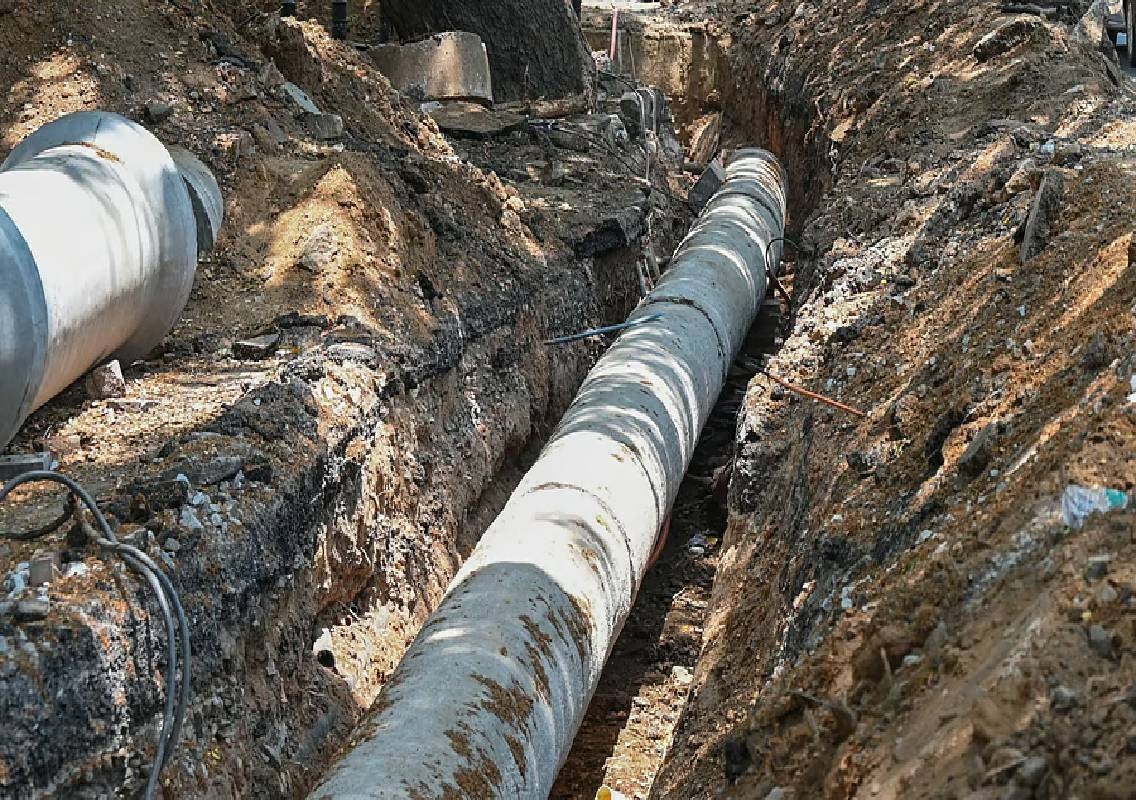


Mulki: The absence of an underground drainage system in several houses and establishments in Mulki has raised concerns over wastewater pollution in the Shambhavi River. The lack of adequate sewage infrastructure poses challenges for local sanitation and the protection of water resources, highlighting the need for a coordinated drainage solution in the coastal town.
Several residential properties and commercial establishments in Mulki reportedly lack access to an underground drainage network. In the absence of proper sewage connections, wastewater disposal has become a concern, particularly because of the risk of untreated sewage entering natural water channels and eventually reaching the Shambhavi River.
Underground drainage systems are designed to collect wastewater from homes, shops and other buildings and transport it for treatment. Where these facilities are unavailable, properties need suitable alternative arrangements, such as properly maintained sewage treatment plants or other approved systems, to prevent untreated wastewater from contaminating the environment.
The lack of adequate infrastructure can create difficulties for residents and businesses while also placing pressure on local authorities responsible for sanitation and environmental protection.
Shambhavi River Faces Pollution Concerns
The Shambhavi River is an important waterway in the coastal region around Mulki. Pollution from untreated wastewater can affect water quality and the ecological health of rivers, particularly where sewage enters through drains or other discharge points.
Untreated sewage may contain organic waste, detergents, nutrients and disease-causing microorganisms. When such wastewater enters a river, it can affect aquatic ecosystems, contribute to excessive algal growth and create unpleasant odours.
The consequences can extend beyond the immediate discharge point. Polluted water may affect fishing, agriculture and other activities that depend on healthy river systems. Communities that use nearby water resources may also face concerns over hygiene and environmental quality.
However, determining the precise sources and extent of pollution in the Shambhavi River requires water-quality testing and an assessment of wastewater discharge points. The absence of underground drainage connections is an important infrastructure concern, but the contribution of individual properties to river pollution needs to be established through appropriate inspections.
Why Underground Drainage Infrastructure Matters
A properly planned underground drainage network can help prevent untreated domestic and commercial wastewater from entering stormwater drains, open channels and rivers.
Such systems generally connect properties to a sewer network that carries wastewater to treatment facilities. Once treated to the required standards, the water can be safely discharged or reused, depending on its quality and applicable regulations.
Without adequate sewage infrastructure, individual properties may depend on septic tanks or other arrangements. These alternatives require appropriate design, regular maintenance and safe handling of the collected waste. Poorly maintained or unsuitable systems can lead to seepage, overflow and contamination of surrounding land or water sources.
The problem becomes more challenging in growing towns, where residential development and commercial activity can increase wastewater generation faster than public infrastructure expands.
Mulki’s reported drainage gaps therefore highlight the importance of coordinating urban development with sanitation planning. New buildings and established properties alike need access to safe wastewater management facilities to reduce environmental risks.
Need for a Coordinated Approach
Addressing the issue requires a detailed assessment of properties that remain outside the underground drainage network and the available options for connecting them.
Local authorities could identify areas without sewer connections, map wastewater discharge routes and determine whether existing infrastructure can be extended. Where a centralised network is not immediately feasible, suitable interim arrangements would need to comply with sanitation and environmental requirements.
Inspections of commercial establishments and residential buildings could also help establish whether wastewater is being treated adequately and whether any unauthorised discharge points are contributing to pollution.
Environmental monitoring is equally important. Testing water quality at relevant locations along the Shambhavi River could help identify pollution patterns and assess whether corrective measures are improving conditions.
Any long-term solution will require coordination between local civic authorities, drainage agencies, pollution-control officials and property owners. Infrastructure planning should also account for future population growth and the needs of businesses operating in the area.
Protecting the Shambhavi River Through Better Wastewater Management
The reported absence of underground drainage facilities at several properties in Mulki brings attention to the relationship between sanitation infrastructure and river health.
Preventing untreated sewage from entering the Shambhavi River is important for protecting water quality, aquatic life and communities that depend on the river and its surrounding environment.
Expanding drainage coverage, ensuring that properties have appropriate sewage-treatment arrangements and monitoring wastewater discharge are potential components of a comprehensive response. The specific measures required will depend on the findings of a detailed local assessment.
The issue also underscores the need to treat sewage infrastructure as an essential part of urban development rather than an afterthought. Effective wastewater management can improve local sanitation while helping safeguard the Shambhavi River for future generations.