

Mangaluru: Founded in 2020, Oinkers Farm has emerged as South India’s first fully integrated, international-standard pork production facility, setting new benchmarks in quality, traceability, and responsible livestock farming. By combining global best practices with a modern farm-to-fork operating model, the enterprise is redefining organised pork production across the region.
Operating as a single, end-to-end ecosystem, Oinkers Farm brings together scientific breeding, ethical rearing, professional meat handling, and direct market supply. This integrated structure—still rare in South India’s agri-livestock sector—ensures transparency and control at every stage of production while maintaining high standards of animal welfare and food safety.
An integrated farm-to-fork ecosystem
Oinkers Farm’s distinguishing strength lies in its complete control over the value chain. From breeding and rearing to processing and distribution, each stage is managed in-house. This approach eliminates fragmentation, reduces dependency on intermediaries, and ensures consistent quality for consumers and institutional buyers alike.
Such vertical integration also allows the farm to maintain full traceability, giving customers confidence about product origin, hygiene practices, and handling standards—an increasingly important factor in India’s evolving food market. Similar integrated agri-food models have been highlighted in discussions on sustainable livestock systems globally, including those outlined in studies on Food and Agriculture Organization frameworks for responsible animal production.
100% grain-fed pork raised to international standards
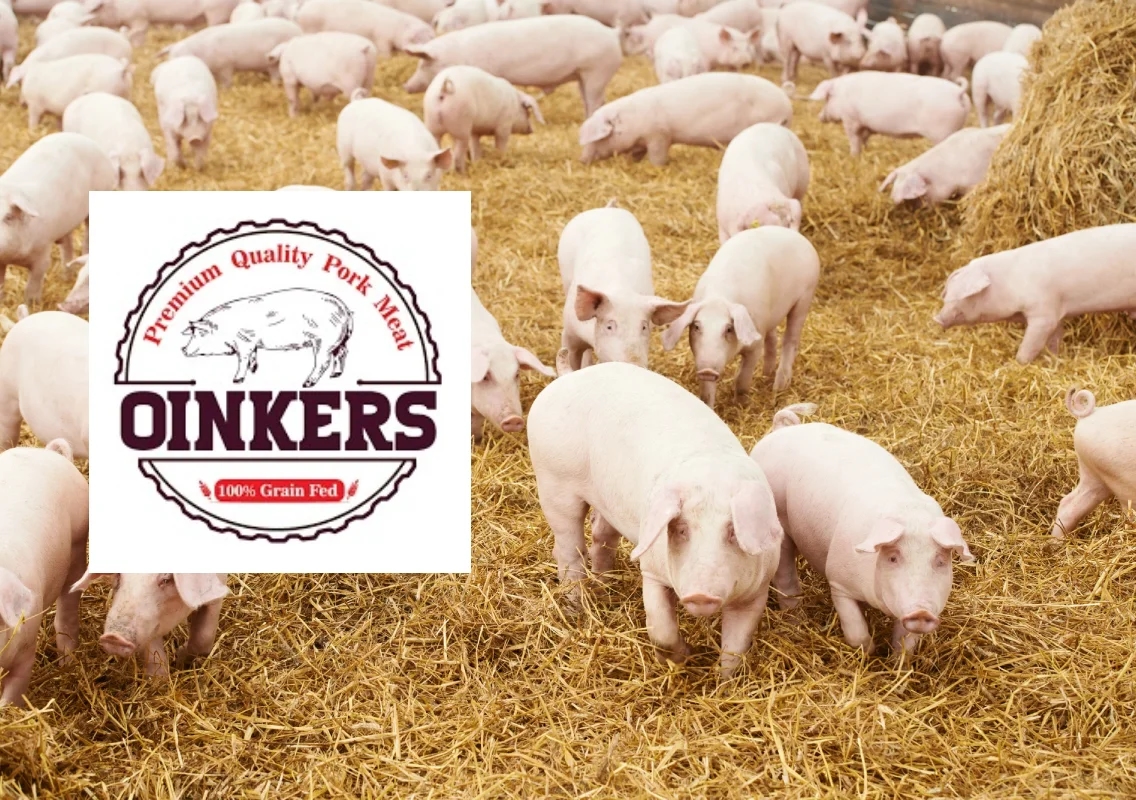
At the core of Oinkers Farm’s production philosophy is a strict 100% grain-fed nutrition programme, designed to deliver consistent quality, superior flavour, and improved meat texture. Feeding protocols are scientifically planned and executed under controlled conditions, aligned with international pork production standards.
Animals are reared following globally recognised animal welfare and biosecurity norms. Scientific housing systems, routine veterinary supervision, and low-stress handling practices ensure optimal animal health while safeguarding food safety and product integrity. This focus on welfare not only improves productivity but also aligns with the growing consumer demand for ethically produced meat.
Sustainability through circular farming
Sustainability is not an add-on but a central pillar of Oinkers Farm’s operations. The facility follows a circular farming model, where animal waste is converted into biogas for energy generation, and by-products are repurposed as organic fertiliser.
This closed-loop system significantly reduces environmental impact, improves resource efficiency, and supports long-term operational sustainability. By minimising waste and maximising reuse, the farm demonstrates how modern livestock operations can coexist with environmental responsibility—an approach increasingly recommended for sustainable agriculture worldwide.
Premium genetics and product innovation
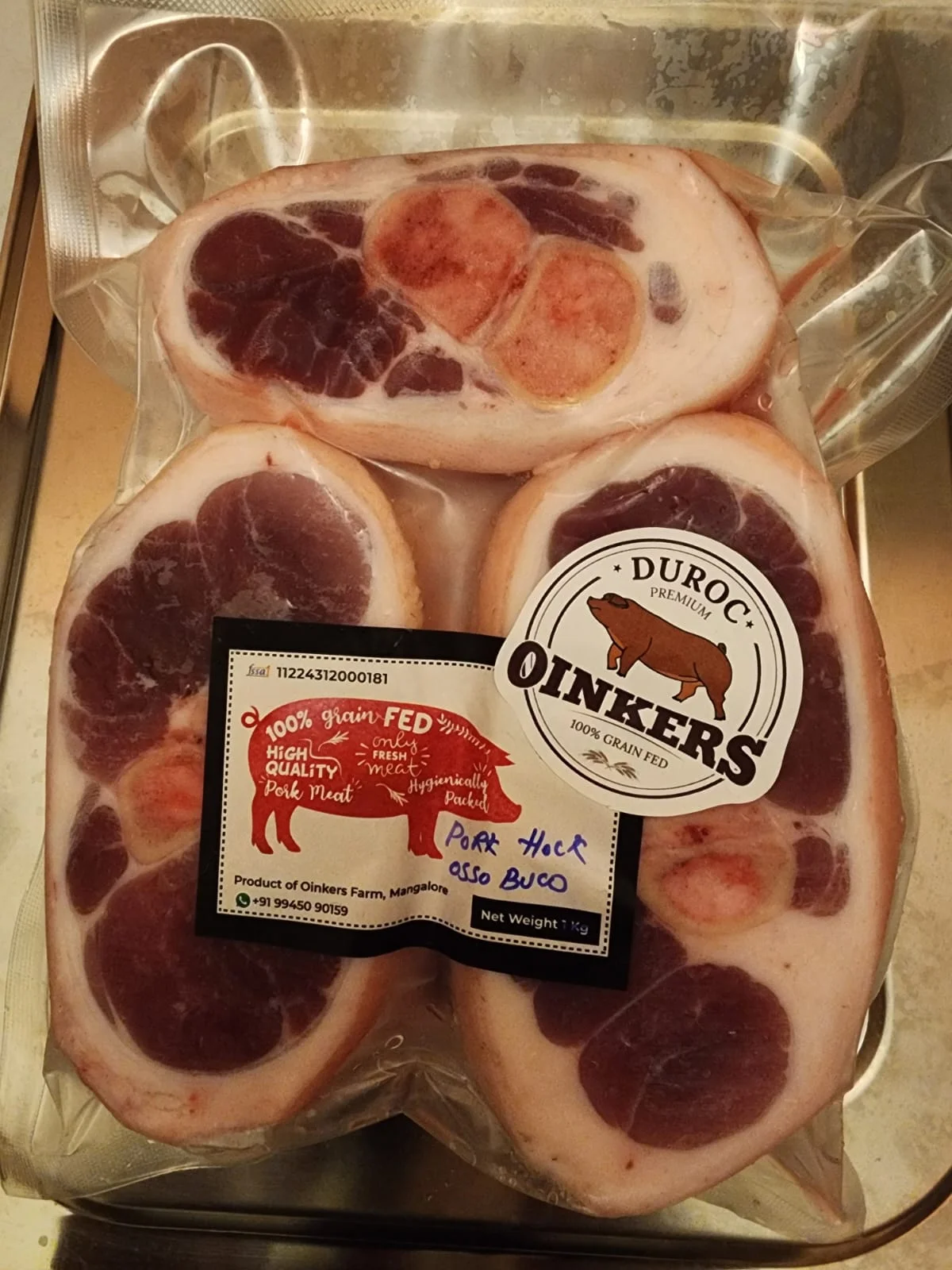
Through focused research and development, Oinkers Farm has selected F2 and heritage Duroc breeds, internationally recognised for superior meat quality, marbling, tenderness, and flavour. These genetics form the foundation of the farm’s premium product portfolio.
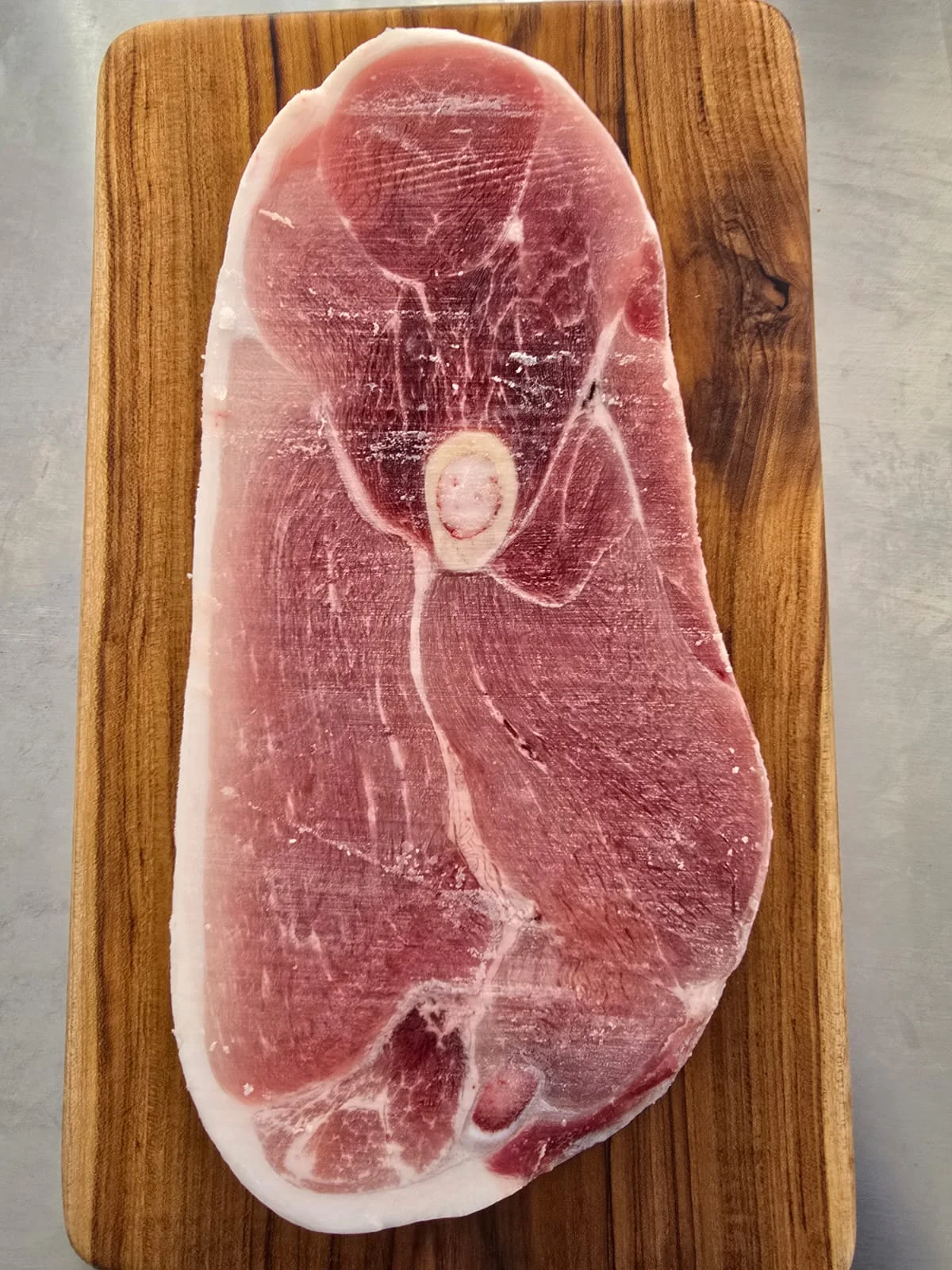
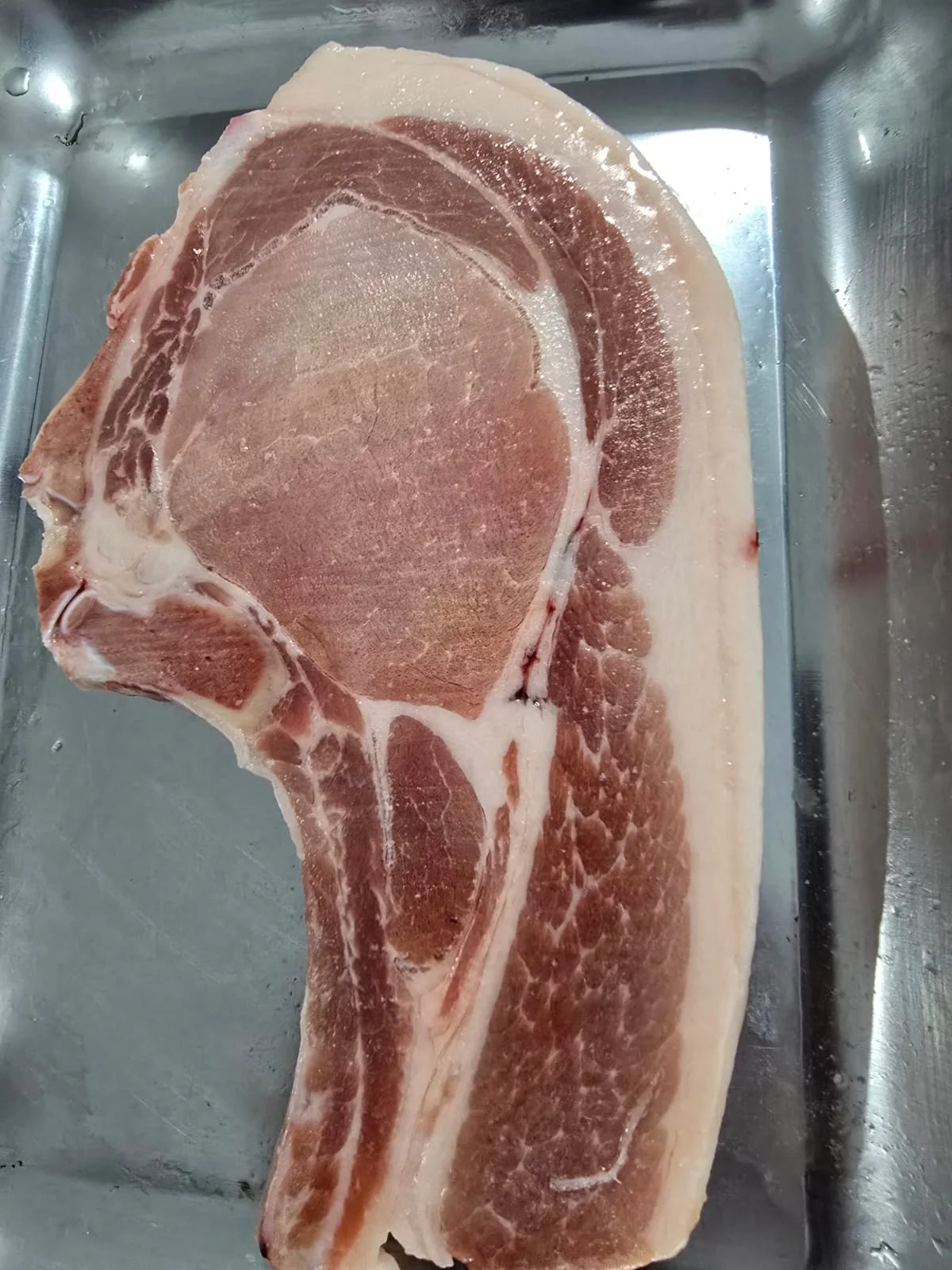
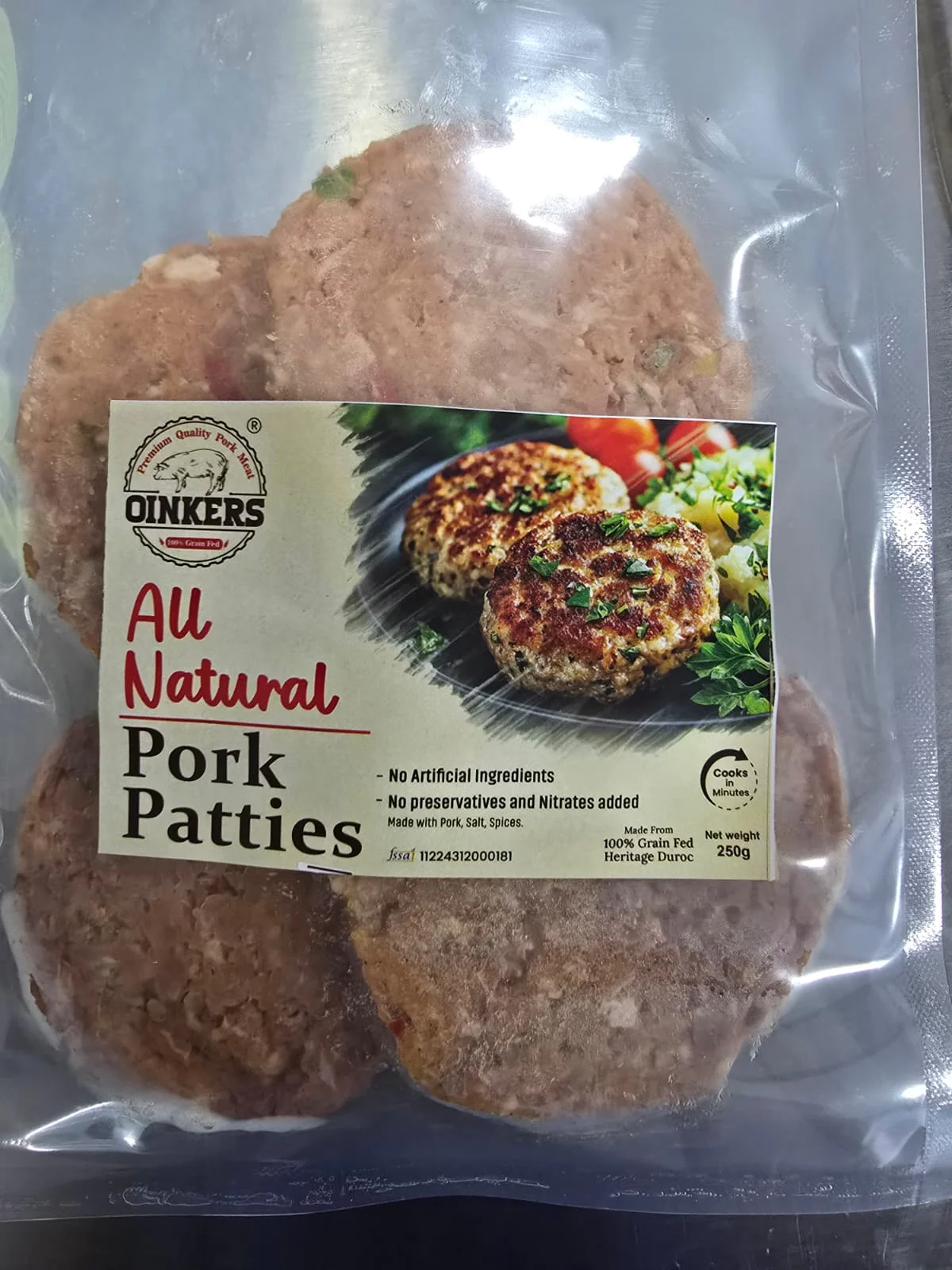
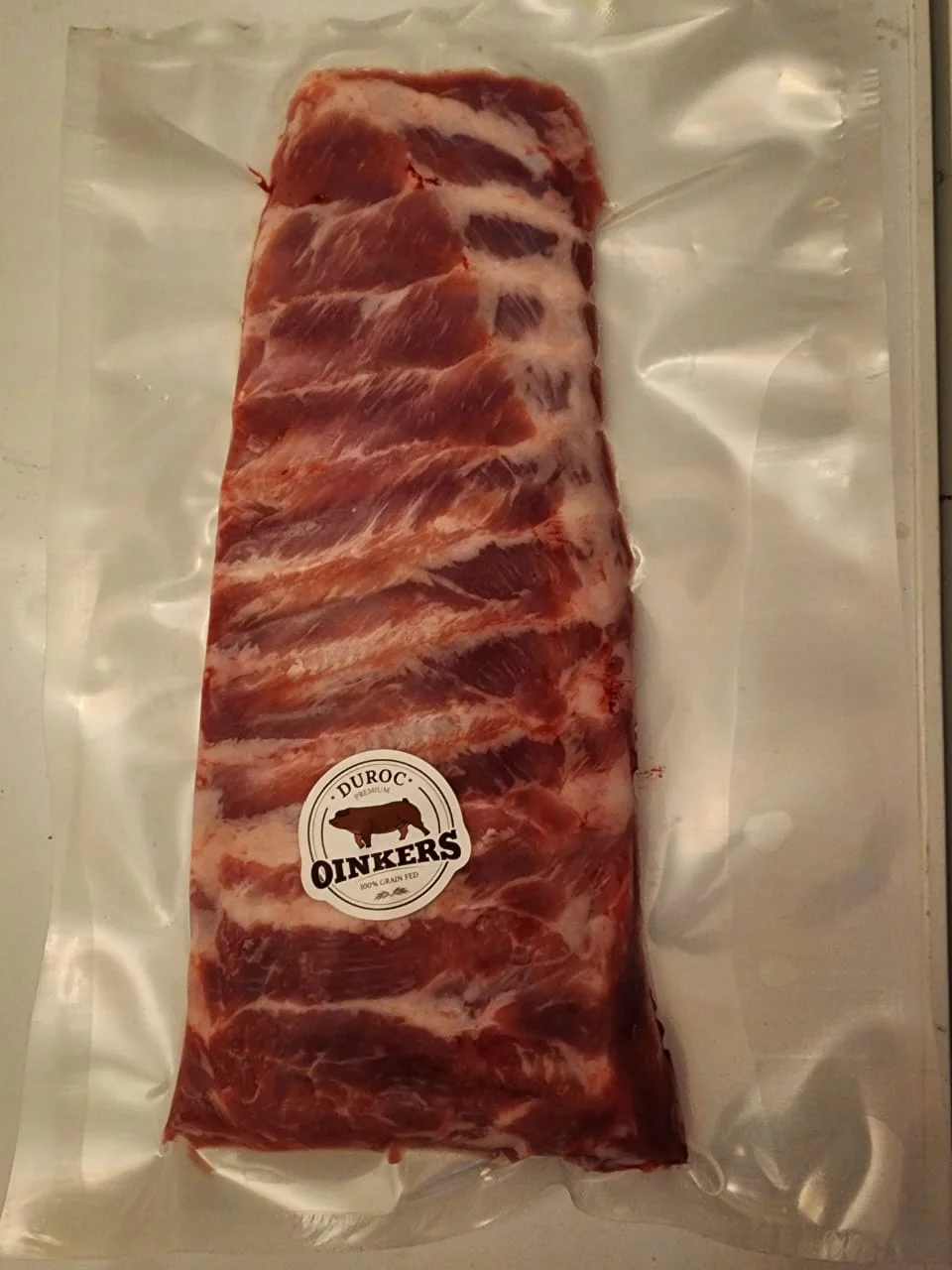
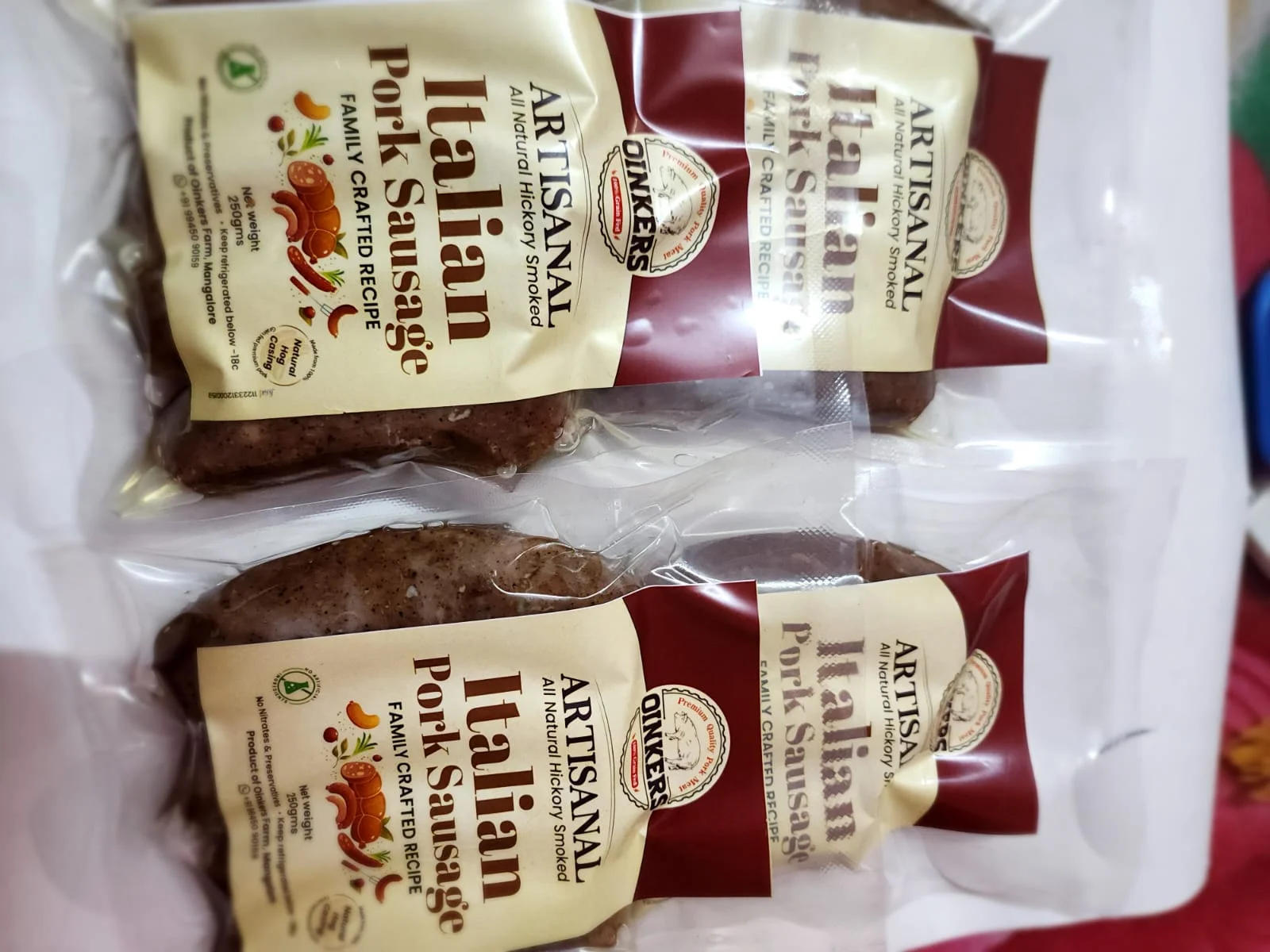
With complete supply-chain control, the facility maintains strict hygiene standards and consistent freshness. Its offerings include premium fresh pork cuts such as ribs, belly, leg, and customised portions, along with value-added products including sausages, artisanal bacon, pork pickle, and pork patties.
Products are sold directly to retail consumers and supplied to tier-one restaurants across Mangaluru, Goa, Bengaluru, and other growing markets, catering to a clientele that values quality, traceability, and responsible sourcing.
Setting new benchmarks in South India
By uniting animal welfare, sustainability, traceability, and consistent quality within a single ecosystem, Oinkers Farm is setting a new benchmark for organised pork production in South India. Its integrated model helps elevate consumer confidence while reshaping industry expectations in a sector that has traditionally remained fragmented.
As demand grows for clean, responsibly produced, and traceable meat, Oinkers Farm offers a scalable example of how premium livestock operations can support the evolution of South India’s modern agri-food ecosystem.
Conclusion
Oinkers Farm’s integrated and sustainable approach signals a significant shift in South India’s pork production landscape. By aligning international standards with local market needs, the enterprise demonstrates that responsible, traceable, and premium livestock farming is both viable and scalable. As the agri-food sector continues to modernise, such models are likely to play a key role in shaping the future of ethical meat production in the region.
All products are sold exclusively through Oinkers Retail, which currently operates one store in Surathkal and one in Mangalore.