







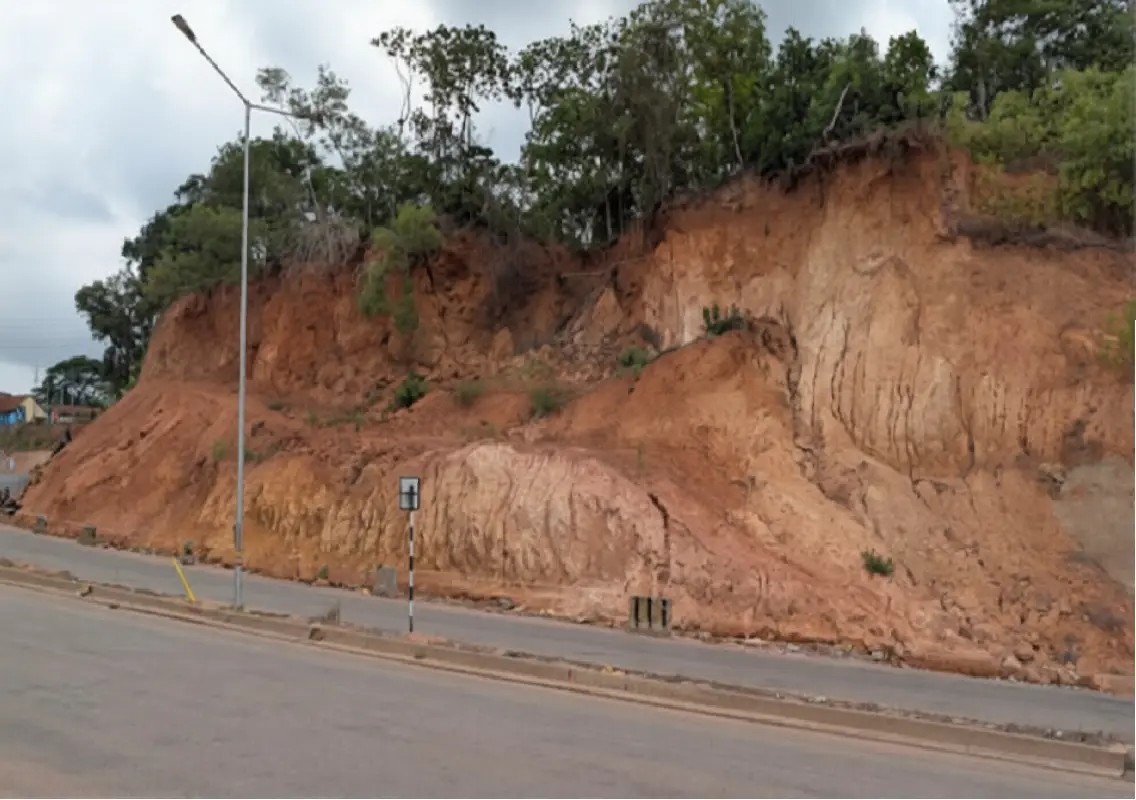


Mangaluru: With the southwest monsoon approaching coastal Karnataka, residents in several vulnerable areas are urging authorities to immediately strengthen flood prevention and landslide mitigation measures to avoid a repeat of the disruptions experienced in previous years. Citizens living in low-lying localities and hill-side regions have raised concerns over recurring rain-related hazards and stressed the need for timely preventive action before heavy rainfall intensifies.
Every year, intense monsoon showers affect multiple parts of the district, causing severe waterlogging, traffic disruptions, road damage and inconvenience to daily life. Areas situated near streams and low-lying zones are especially vulnerable to flooding, while hilly regions in Dakshina Kannada face recurring threats from landslides and soil erosion.
Last year’s monsoon season witnessed flooding in several locations, blocked roads, and damage to residential properties and public infrastructure. Residents fear that delays in precautionary measures could once again expose people and property to risk.
Kettikal emerges as a major concern ahead of rains
One of the locations drawing significant attention ahead of this year’s monsoon is the Kettikal area near Vamanjoor along National Highway 169. The area has become a matter of concern due to recurring landslide incidents over the last two monsoon seasons.
Local residents stated that changes in the hill terrain following the highway expansion project have increased fears of slope instability. During road development works, portions of the hillside were cut as part of the National Highway expansion process, leading to concerns over the long-term impact on the surrounding terrain.
Residents recalled that during last year’s rains, a section of the hill located nearly 100 metres ahead of a school in the locality collapsed. Mud, soil and large boulders rolled onto the road, disrupting vehicular movement and creating hazardous conditions for motorists and pedestrians.
Though authorities cleared the debris and restored road access after the incident, locals have claimed that permanent corrective measures at the landslide site remain incomplete.
Cracks and leaning trees raise fresh fears
Fresh signs of instability in the hill area have heightened anxiety among people residing nearby. According to residents, cracks have developed on the upper portion of the slope, while several trees appear to be leaning dangerously.
The visible changes in the terrain have raised fears that heavy rainfall during the upcoming monsoon season may trigger another landslide. Residents believe that if immediate strengthening measures are not completed, the risk to passing vehicles and nearby properties could increase considerably.
Some locals also pointed out that previous attempts to stabilise the hill through soil-nailing measures did not fully prevent slope movement.
Soil nailing is commonly used to reinforce unstable slopes by inserting steel bars into soil and rock layers. However, residents said earlier interventions had not produced lasting results in the vulnerable sections of the hillside.
Authorities begin preventive measures
Following recommendations from experts, authorities have initiated work to improve slope stability in the affected area. A gabion wall is currently being constructed along portions of the hillside to minimise erosion and reduce landslide risks.
Gabion structures consist of stones packed within iron mesh cages and are often used in areas vulnerable to erosion and slope failure. Officials expect such structures to provide additional support and prevent soil movement during periods of intense rainfall.
However, residents have expressed concerns regarding the pace of work and whether the protective measures can be completed before peak monsoon conditions begin.
Many have argued that preventive measures carried out after heavy rains start may not provide adequate protection.
District identifies vulnerable locations
According to district-level preparedness assessments, authorities have already identified a significant number of vulnerable locations across Dakshina Kannada.
Reports indicate that 92 flood-prone areas and 88 landslide-prone locations have been identified within the district. Officials have reportedly been directed to inspect areas that witnessed damage in previous years and ensure precautionary measures are undertaken at the earliest.
Planned measures include desilting of drains, strengthening of slopes, clearing water channels and preparing emergency response mechanisms for affected localities.
Disaster preparedness teams are also expected to monitor vulnerable areas and remain prepared for rapid response if adverse weather conditions develop.
Residents seek timely action before monsoon intensifies
Residents living close to hill slopes, streams and flood-prone localities have urged authorities to prioritise preventive action rather than relying solely on emergency responses after heavy rainfall begins.
They believe that completing mitigation works before the onset of peak rains would reduce potential risks to people, infrastructure and transportation networks. Concerns have also been raised regarding the safety of school-going children and commuters using roads passing through vulnerable areas.
With monsoon conditions expected to strengthen over the coming weeks, local communities are hoping that timely interventions and coordinated planning will help minimise disruption and improve public safety across the district.
Preventive planning, residents say, remains the most effective way to avoid repeating the challenges and losses witnessed during previous monsoon seasons.