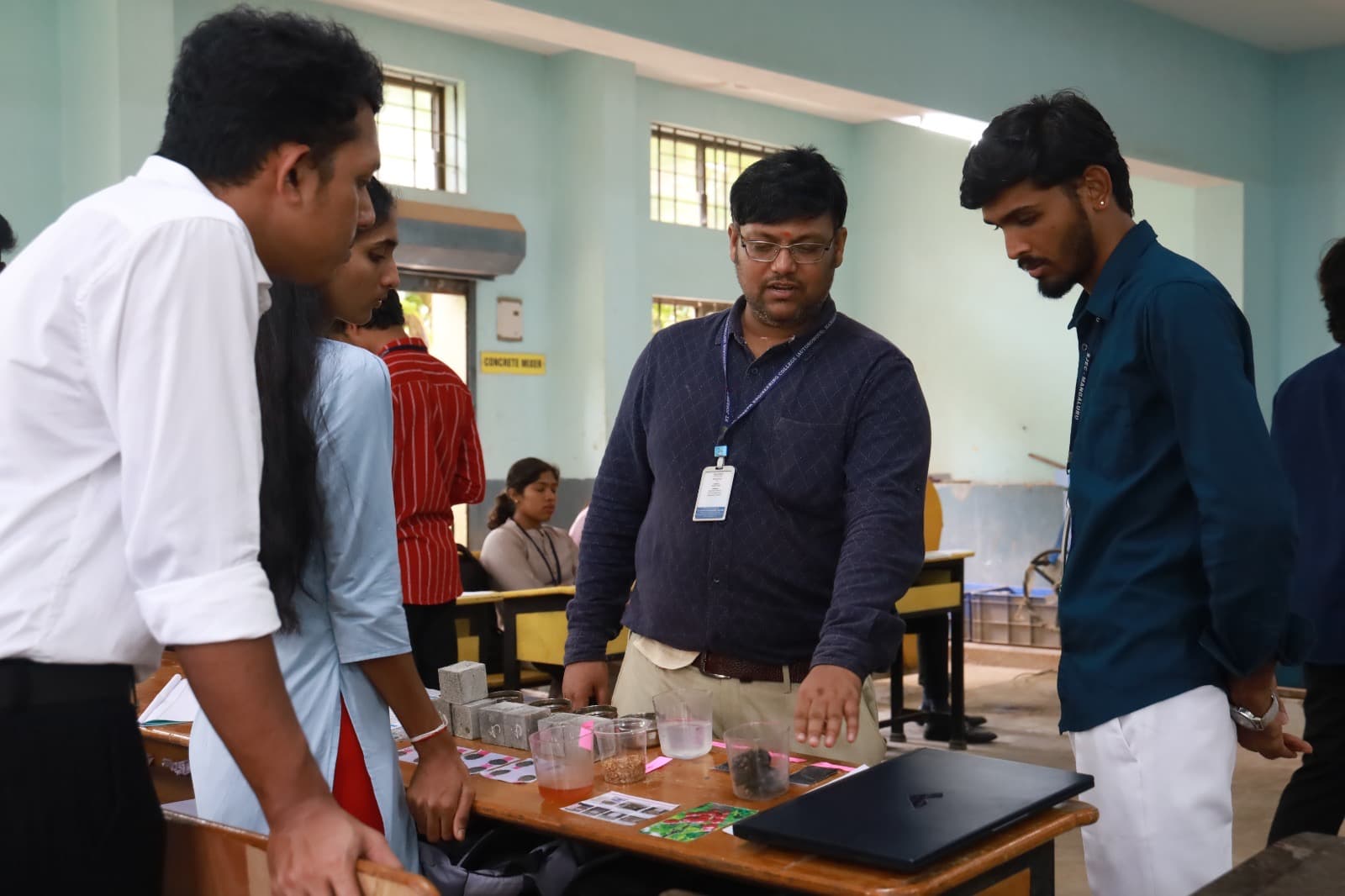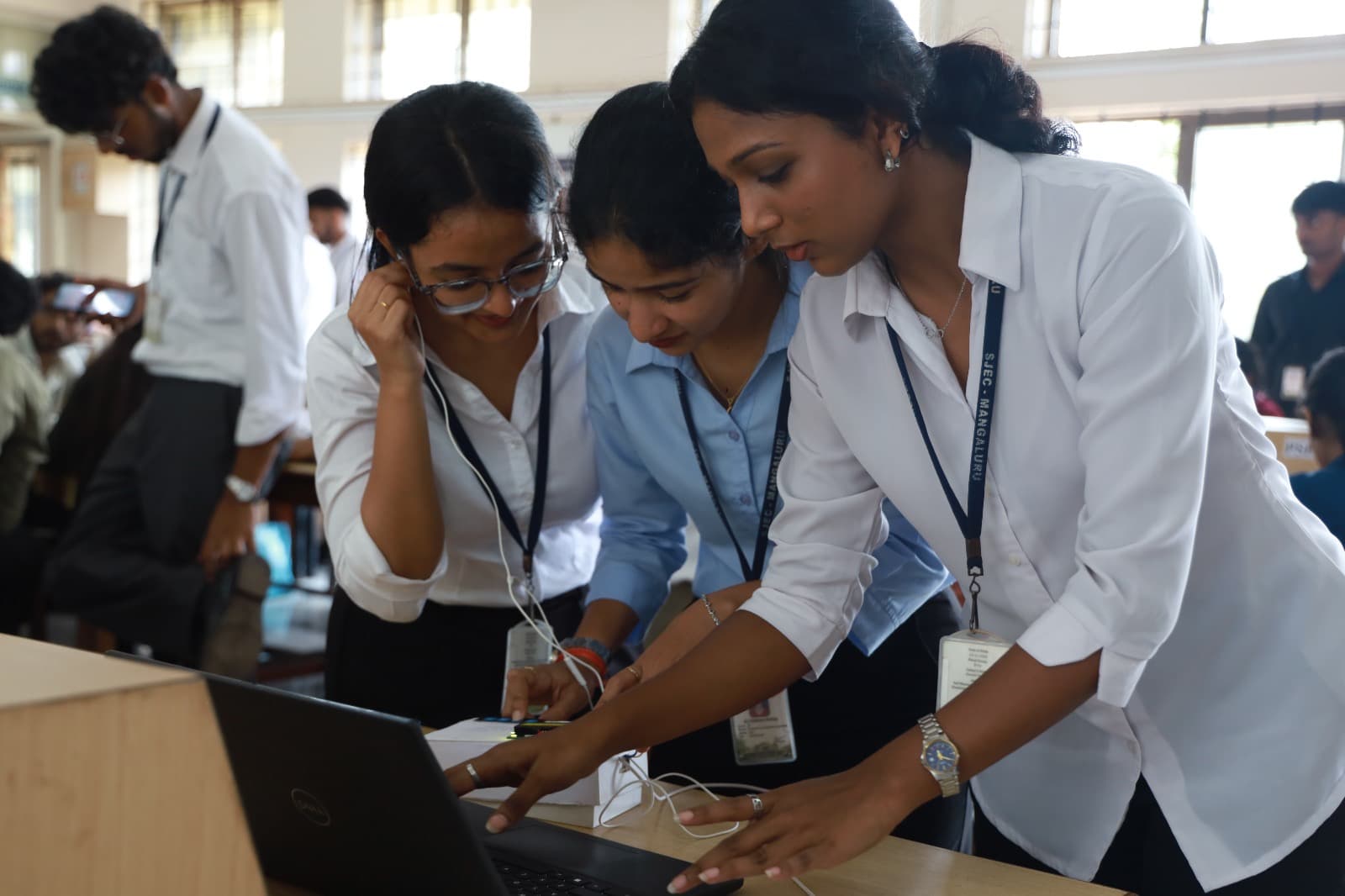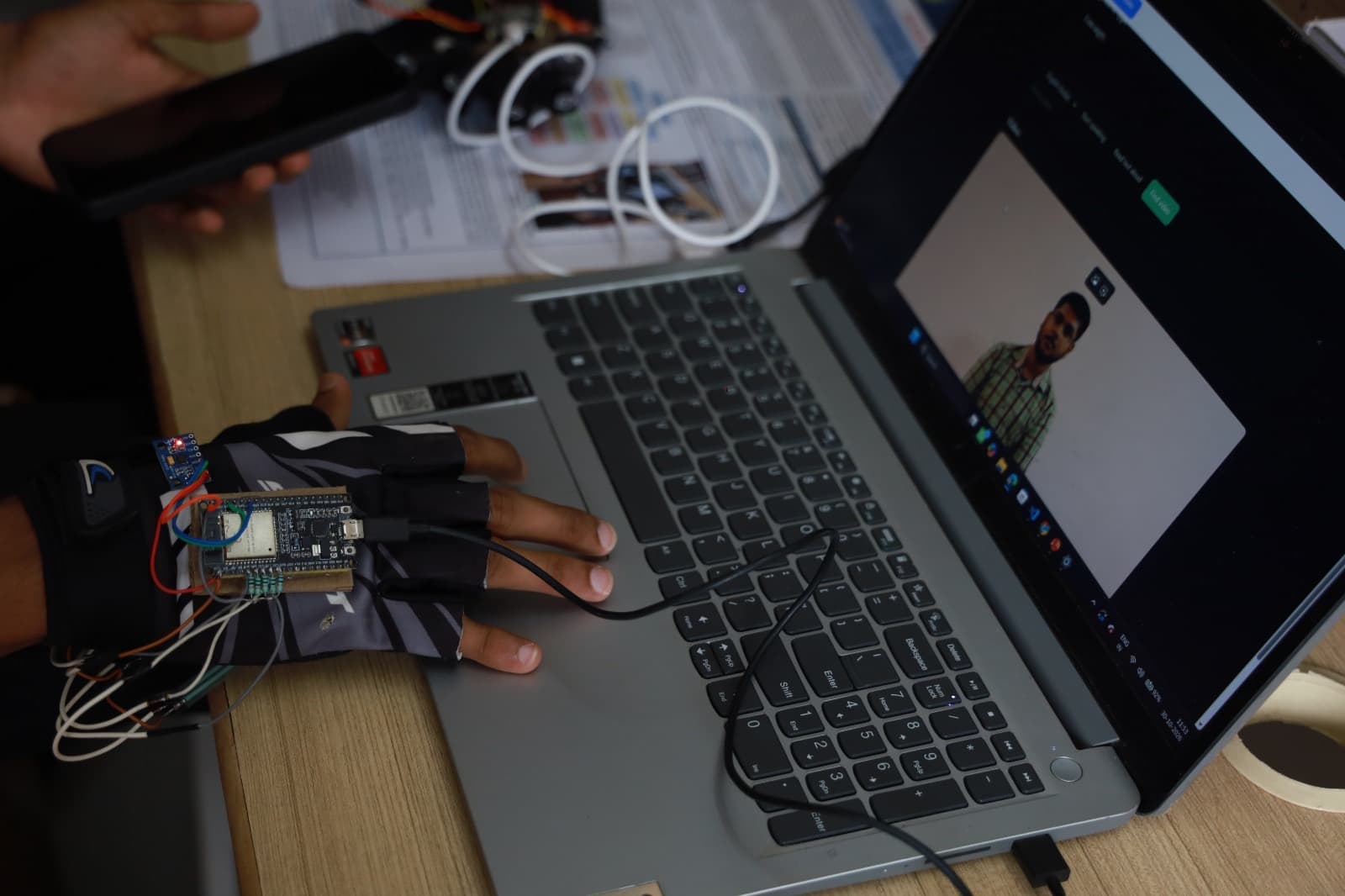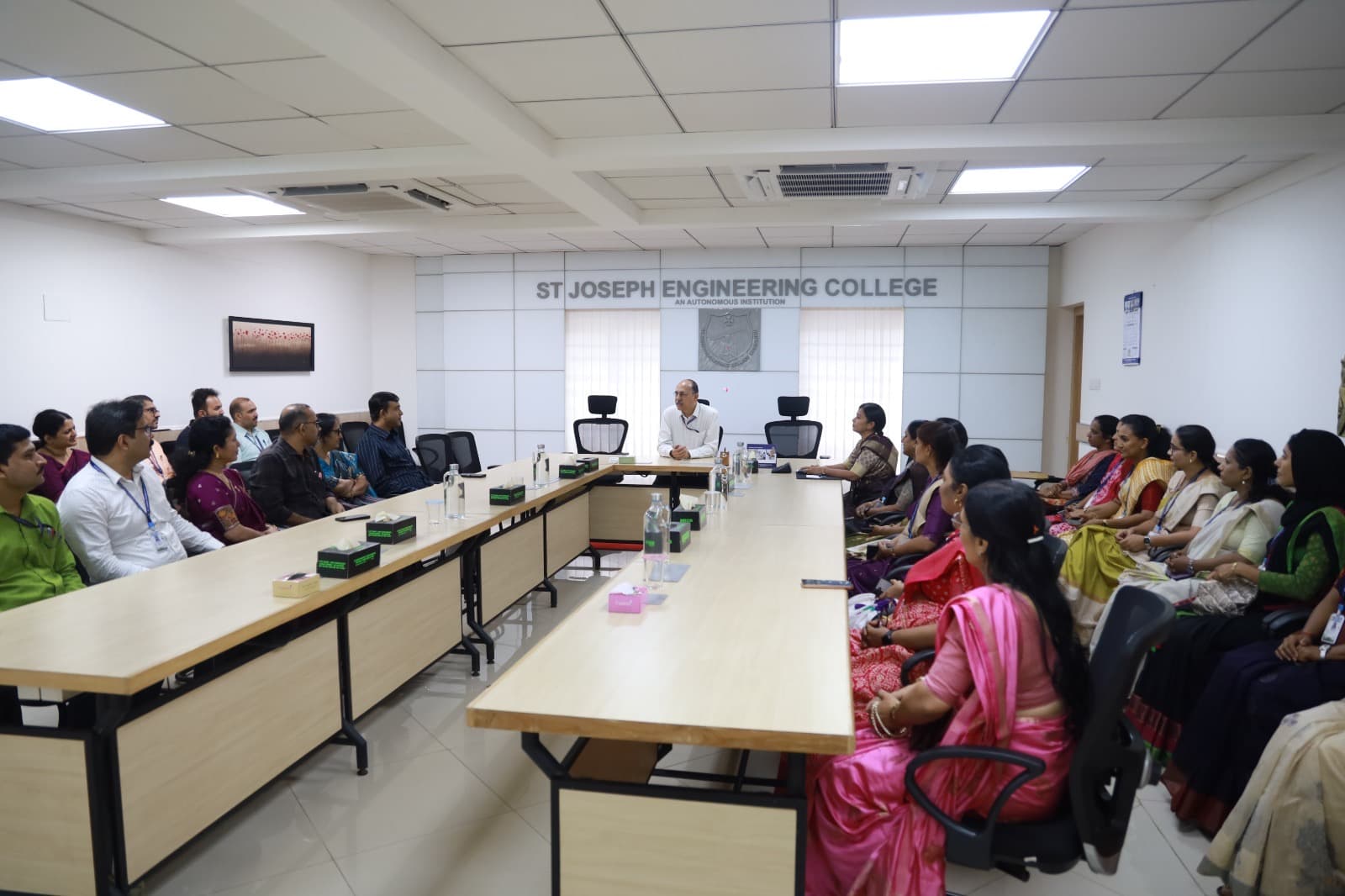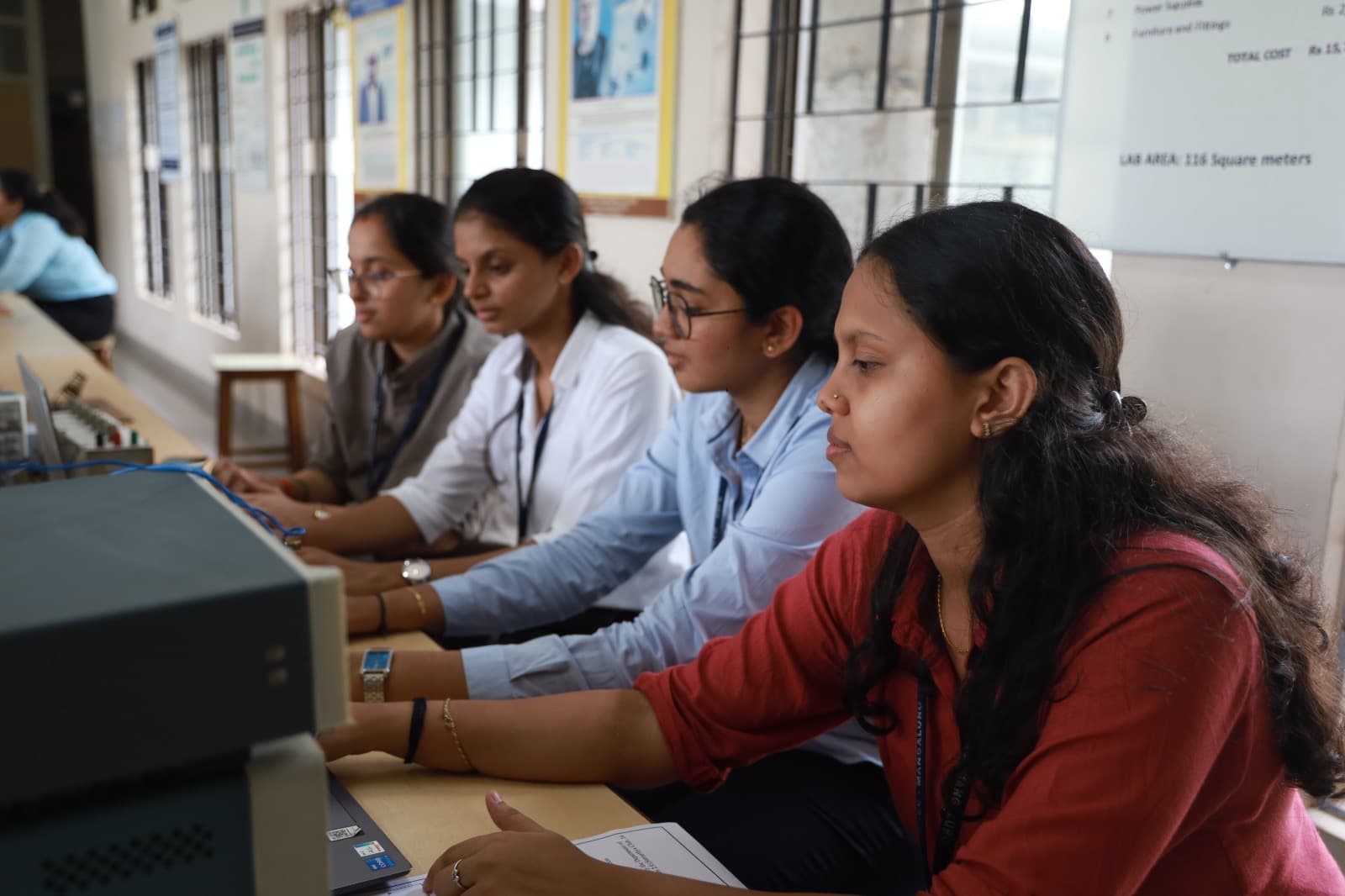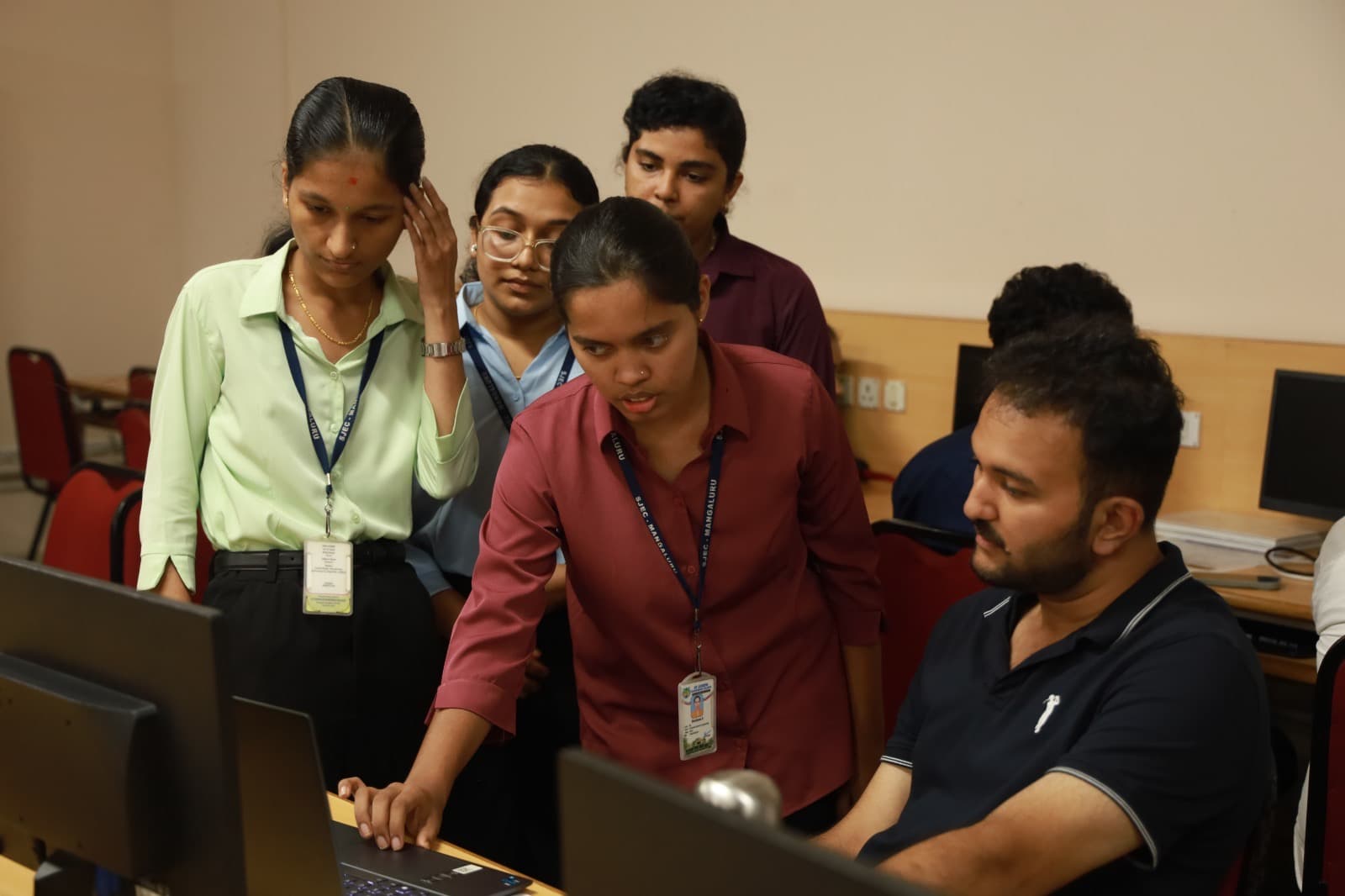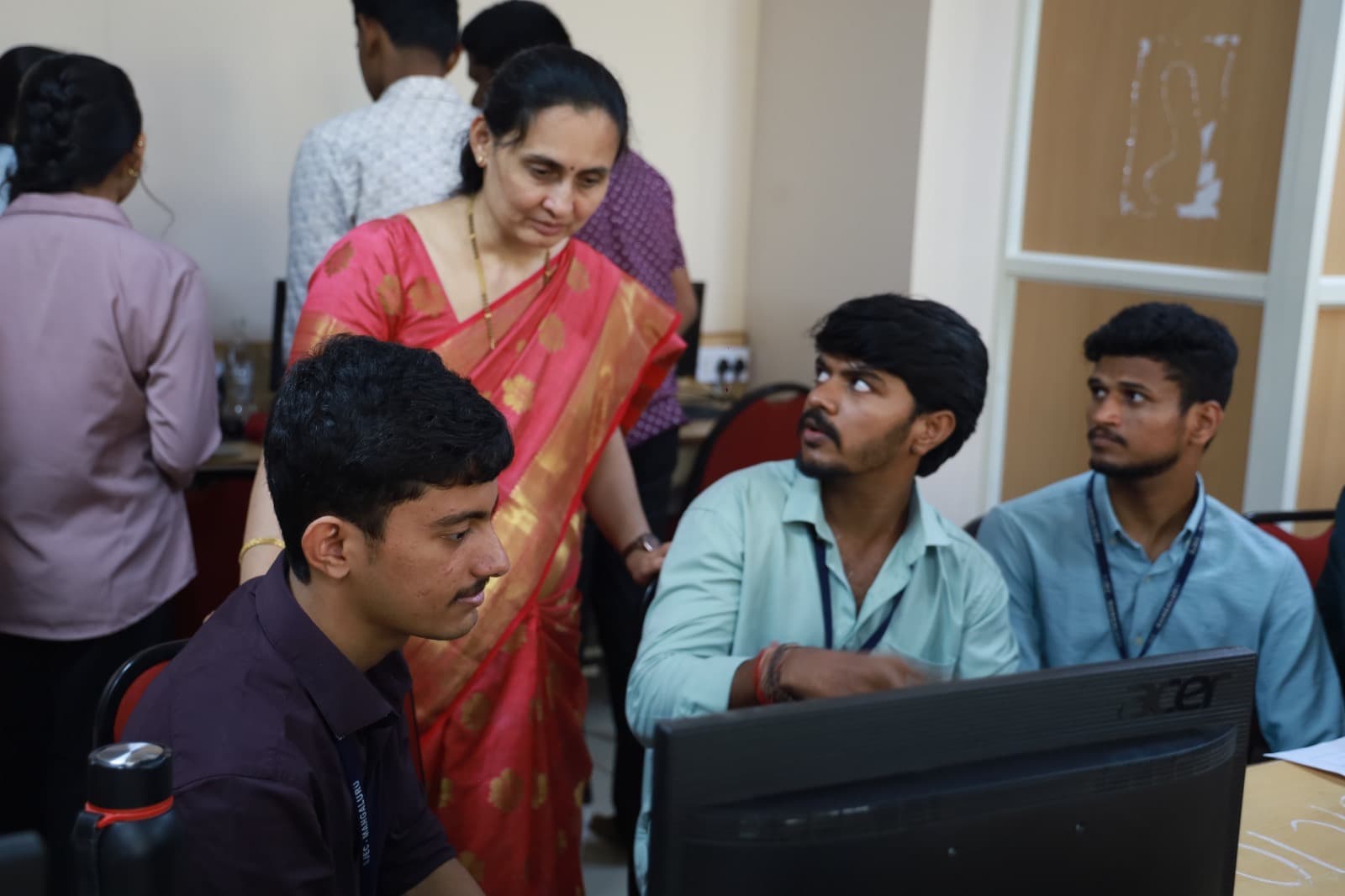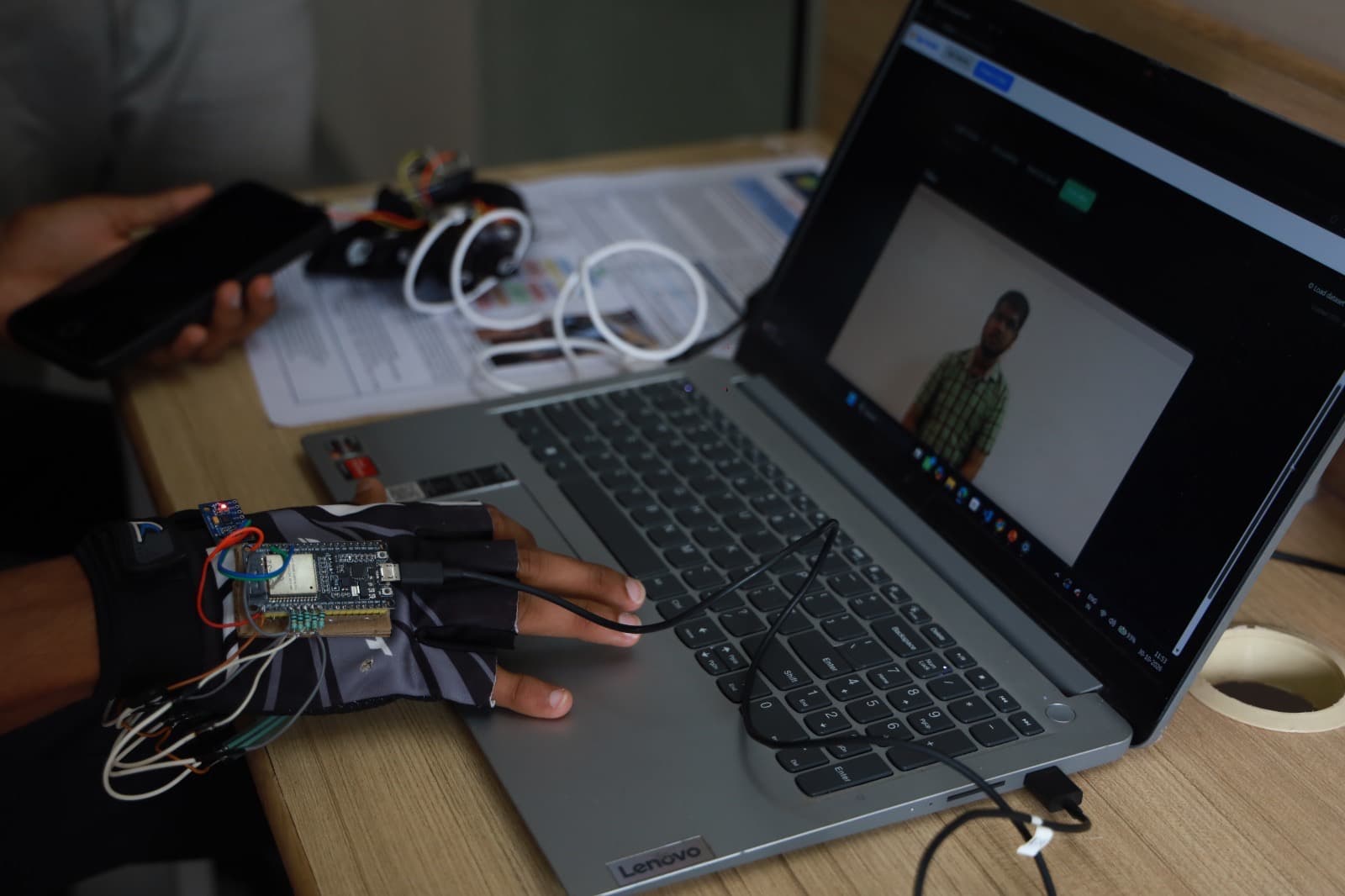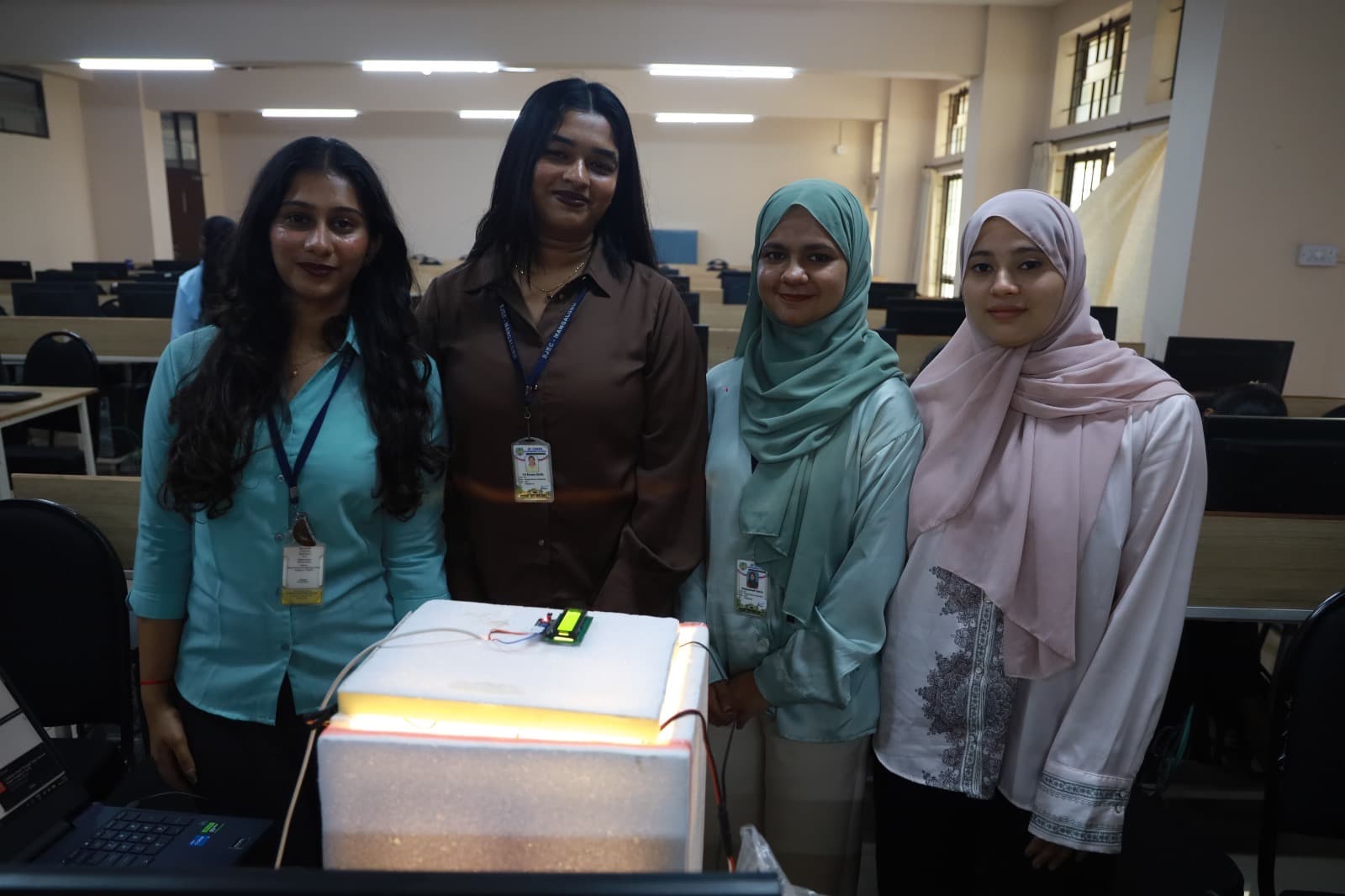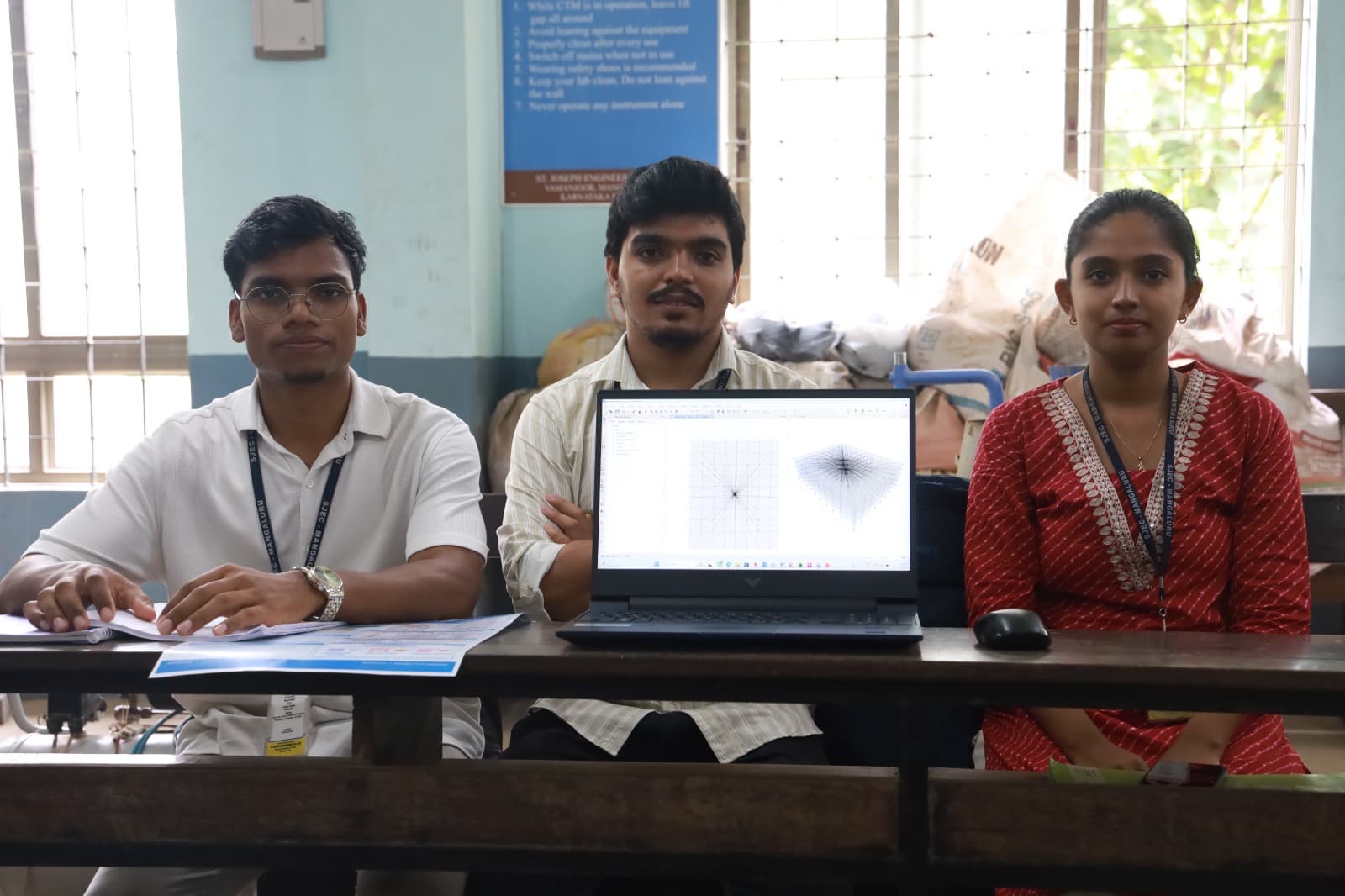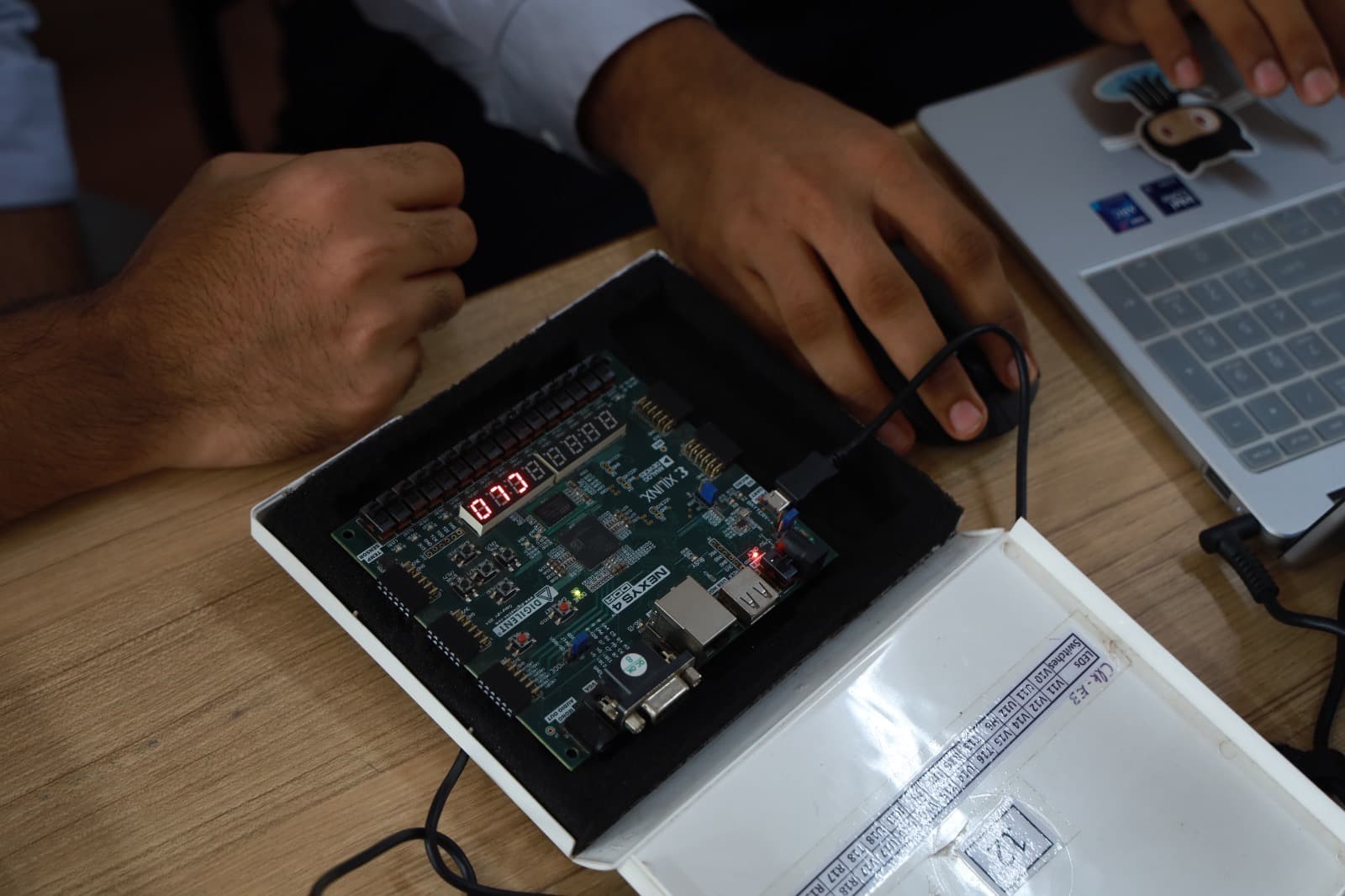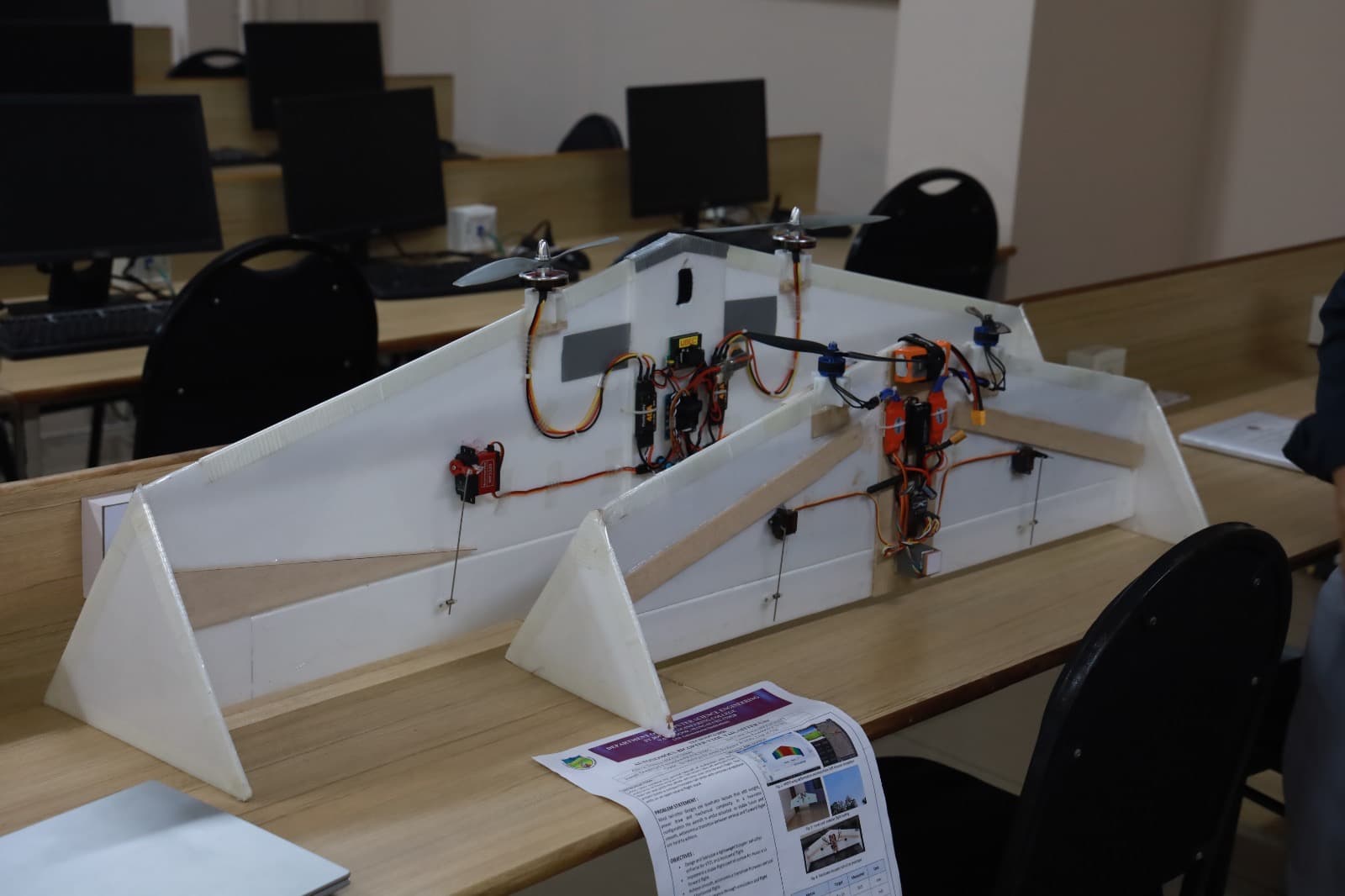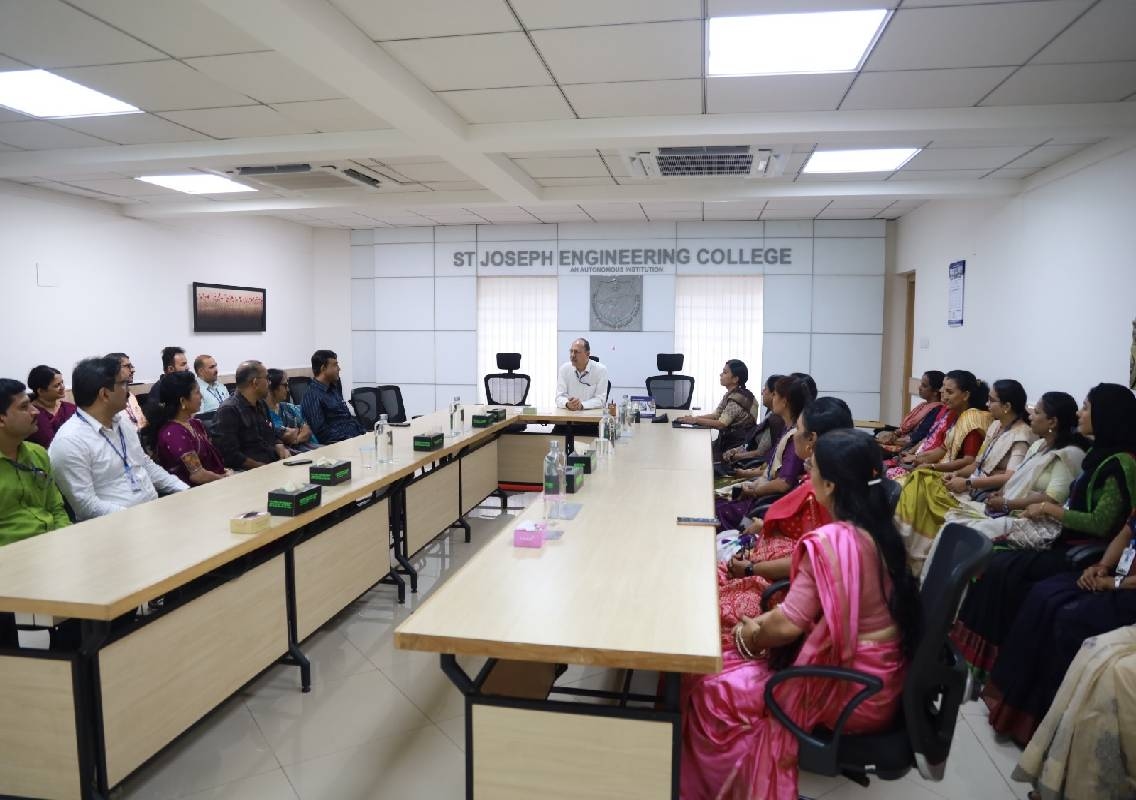


Mangaluru: St Joseph Engineering College successfully hosted Technova-2026, its annual final-year undergraduate project exhibition, on October 30, 2026. Coordinated by Ms. Chaitra UR, Assistant Professor in the Department of Electronics and Communication Engineering, the day-long event showcased more than 202+ engineering projects across eight academic disciplines, spanning design studies, analytical research, and applied engineering solutions.
Opening the exhibition, Principal Dr. Rio D’Souza addressed the gathering on the pivotal academic role of final-year capstone projects. He emphasized that Technova serves as a structured platform designed to give equal visibility to all participating teams, while encouraging lower-semester students to observe the exhibits to better understand project standards and strengthen their future academic pursuits. Dr. Rio D’Souza noted that project evaluations focused on technical quality, originality, and clarity of presentation, with top entries receiving departmental honors alongside a dedicated award for the most innovative project.
Adding a strong community outreach element to the event, students from regional schools and Pre-University colleges attending the concurrent “Jnana Sethu 2026 – Science for Peace” program will also be given the opportunity to visit the exhibition, fostering curiosity and scientific engagement among young learners.
The rigorous evaluation process involved fifteen external experts from industry, research organizations, and academic institutions, who joined internal faculty to assess the submissions. Each department awarded First, Second, and Third prizes, in addition to recognizing standout innovation across the various disciplines.
TECHNOVA 2026 recognised outstanding student innovation, creativity and technical excellence through project awards across various departments. In the Department of Mechanical Engineering, the First Prize was awarded to Punya B C, Dhrathi, Anvitha Jain and Srushti H C for their project, “Design and Development of a Smart Electric Food Waste Composter.” The Second Prize went to Rishabh B Amin, Anurag Arun Tamse, Sanath S Naik and Yajnh S Shetty for “Automated Seed Dryer for Agriculture,” while Amogh Jayaprakash, Adarsh, J S Vineeth and P Mahesh Prabhu secured the Third Prize for “Experimental Investigation of the Effect of Nanoparticles and Fin Design on the Thermal Performance of Phase Change Materials.” The Innovative Project Award was presented to Vishwa R Bangera, Canute Cutinha, G Vishwas Pai and Sudeep S Kotian for their projects on PCM-integrated roofing for thermal comfort.
In the Department of Electronics and Communication Engineering, Dhanya Rao, Dhrithi K H, Haneesha C U and N Lakshmi Pai won the First Prize for “Magnetic Induction Based Underground Pipeline Leak Detection System.” The Second Prize was awarded to Prithviraj M R Alva, Rohith L Kotian, Rynal D’Souza and Sathya Raju for “Design, Implementation and Comparative Analysis of Convolution Architectures.” A V Lavanya, Aditi G Amin, Dillen Susan Lobo and Josviea P V secured the Third Prize for “Dual-Wavelength NIR-PPG Based Embedded System for Blood Glucose Estimation,” while Princeston Hansel Lobo, Sharwin Glan Corda, Sudin S Fernandes and Venzil Lawrence Quadras received the Innovative Project Award for “AI-Driven Lung Nodule Segmentation and Malignancy Classification in Low-Dose CT Images.”
In the Department of Electrical and Electronics Engineering, Saketh D Amin, Nagaraja S, Shanmukha M and Shreevidya K bagged the First Prize for “Design and Development of a Portable Power Station with Model-Based State Monitoring and Prediction.” The Second Prize was awarded to Denzil Dias, Dhrathika, Gaurav and Raksha C H for “Solar-Powered Multipurpose Agriculture System.” Badruddin Afzal, Mohammad Safwan, Muhammed Muzzammil and Jithesh Kumar secured the Third Prize for “Smart Solar-Assisted E-Cycle,” while Sherwin Riyon Agera, Ravindar Singh, Pratham Nevil D Almeida and Jaison Thomas Gonsalves won the Innovative Project Award for “Portable Automated Hydroponic Farming System for Indoor Cultivation.”
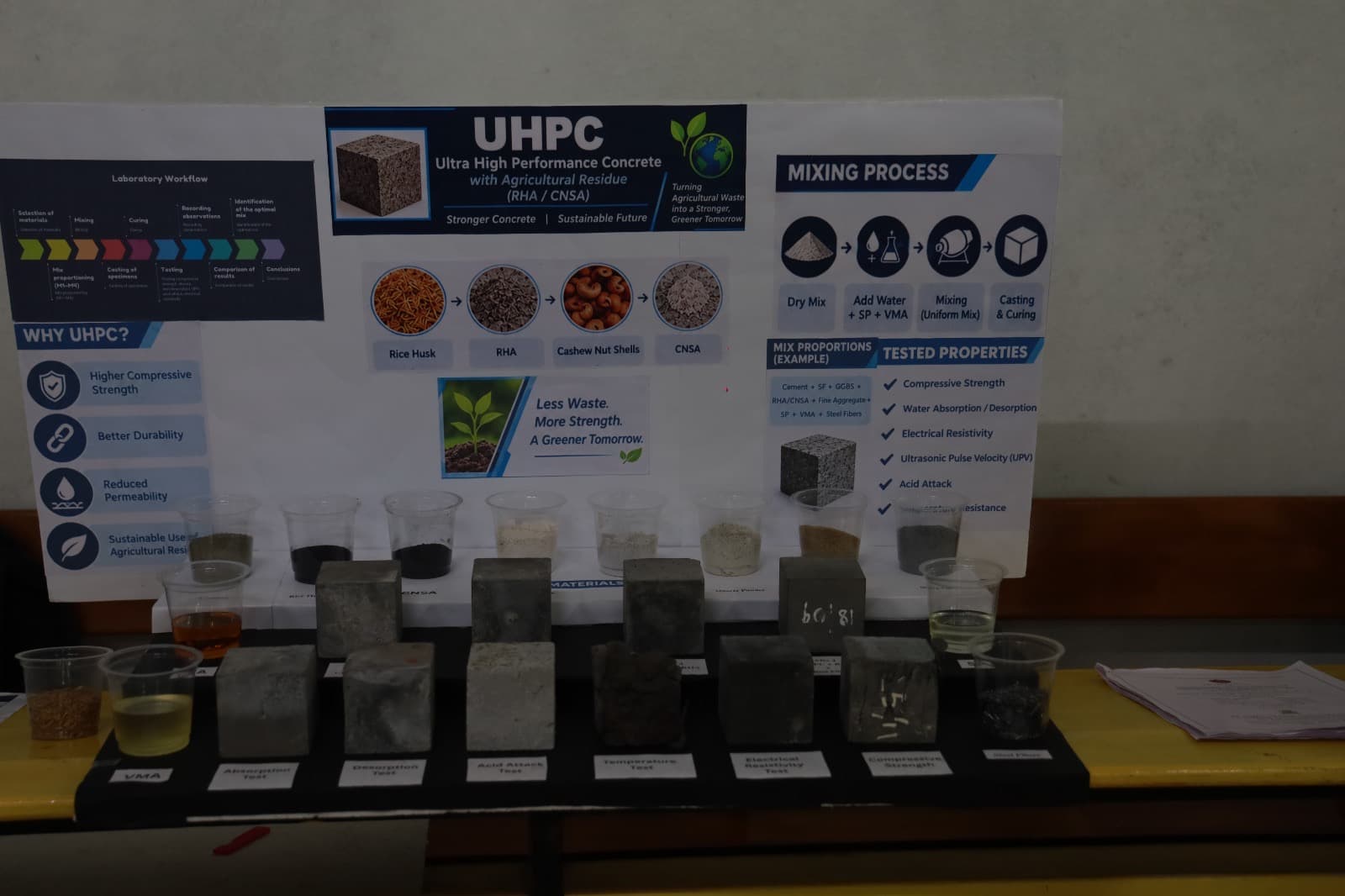
In the Department of Civil Engineering, Bhuvan Shiroor, Goutham, Haravi Subramanya and K Sharan won the First Prize for “Experimental Study on the Strength Characteristics and Durability Performance of Optimal UHPC Mix Containing Agricultural Residues.” The Second Prize went to Ahamed Masik, Haravi Darshan, Mannol Fernandes and Mohhamed Ismail Irshaan for “Experimental Investigation on Biochar-Amended Jute Geotextile for Subgrade Stabilisation.” Amardeep Ekka, Soudarya J K and Sumanth Kumar secured the Third Prize for “Planning, Analysis and Structural Design of a Modern Commercial Building with a Theatre Facility.” The Innovative Project Award was presented to Goutham Sambath K V, Salman, Shilpa and Harshith N Kottary for “In Situ Development of CNTs in Industrial Residue for Cementitious Applications.”
In the Department of Computer Science and Engineering, Sneha A S, Sona Maria P S, Palak Prakash Talekar and Rachita Rajesh Damsadekar secured the First Prize for “Healytics: A Patient-Centric Digital Health Record and Medical Analytics Platform.” The Second Prize was awarded to Divya Lobo, Elisha G Fernandes, Joylin Mathias and Nagaraj Narendra Achari for “A Computer Vision and Machine Learning-Driven System for Real-Time Postural Analysis and Musculoskeletal Health Risk Evaluation.” Nikhitha, Nisha, Pratheeksha T K and Shrama V Shetty won the Third Prize for “AI and Computer Vision-Based Crack Detection and Safety,” while Aditi Jagadish Netrakar, Akshaya Maria Kasipathi, Amrutha M and B M Gayathri received the Innovative Project Award for “An NLP-Based Kharada-English Machine Translation System.”
In the Department of Artificial Intelligence and Machine Learning, Ananya, Lenn Shaun Sequeira, Phelicia Xavier Dsilva and Reena Priya Moras won the First Prize for “Epilepsy Detection Using AI Techniques.” The Second Prize was awarded to S Nimrah Shifa, Hibza Mohammad Ali Kudari, Sahana C S and Shubhashree M R for “An Intelligent Anomaly Detection Framework for Passenger Safety in App-Based Taxi Services.” Niharika N, Prathama S Salian, Aisahath Saniya and Anshifa secured the Third Prize for “Blockchain-Based Secure Log Management System,” while Kruthika K R, Prathiksha S, Kaavya Rao and Clarice Dsilva won the Innovative Project Award for “Compliscan – Automated Compliance Checker for E-Commerce Platforms.”
In the Department of Computer Science and Business Systems, Anitha Mascarenhas, Manish Bangera, Adish Devadiga and Apeksha S won the First Prize for “PoshanEye: AI-Driven Computer Vision System for Contactless Child Malnutrition Risk Screening.” The Second Prize went to Aarshamol Babu Varghese, Akshatha Priyadarshini, Anjali Thomas and Melisha J Fernandes for “AI-Powered Neuromarketing Recommendation System for Packaging Optimization Using Facial Emotion and Eye-Tracking Analysis.” Christy Xavier, Mohammad Shamoon, Sania Joy and Sapna Prakash secured the Third Prize for “FailGuard: Decentralized Autonomous Immunity System for Microservice Clusters,” while G Abhijna Bhat, Hamsini, Kavya P and Rincy R received the Innovative Project Award for “Learn2Invest: A Virtual AI-Guided Simulator for Learning Indian Investments.”
In the Department of Computer Science and Data Science, Meloon Albert Pinto, Calwin Fernandes, Joel Pinto and Mohan B J were recognised with the First Prize for “A Real-Time AI-Enabled IoT-Based Emotional and Behavioral Adaptive Learning System for Screen Dependency Reduction in Children.” The Second Prize was awarded to Jeethan Elroy Roche, Aroma Peris, Aashna Ferrao and Alroy Vishanth Dsouza for “A Cross-Lingual Digital Corpus and Translational Framework for Southern Canara Konkani.” Adithya P S, Fathima Rafah and Akash A secured the Third Prize for “Stone: An Eight-Signal Adaptive Runtime for Context-Aware Model Selection on Edge Devices.” The Innovative Project Award was also listed for the team comprising Meloon Albert Pinto, Calwin Fernandes, Joel Pinto and Mohan B J for their AI-enabled IoT-based adaptive learning project.
The award-winning projects reflected the students’ ability to identify real-world challenges and develop innovative, technology-driven solutions across diverse fields. The achievements also highlighted the guidance and support extended by faculty mentors in encouraging research, teamwork, creativity and practical application of engineering and technological knowledge.
Senior administrators, including In-Charge Director Rev. Fr. Kenneth Rayner Crasta, Chief Administrative Officer Dr. John Edward D’Silva, and Principal Dr. Rio D’Souza, along with Deans and Heads of Departments, toured the venue to interact with student teams and expert evaluators. The successful conduct of Technova-2026 reaffirmed the institution’s commitment to practice-driven engineering education, applied research, and technological innovation.