









Mangaluru: A new keyboard that allows users to type directly in the Tulu script has been launched for Android smartphones, marking another step towards taking the coastal Karnataka language into the digital space.
Called Kural Tulu Touch, the keyboard has been developed by software developers Harshith Devadiga and Chaithra Poojary. It was launched in Bengaluru during the Tulunada Janapada Sambhrama, organised by the Karnataka Tulu Sahitya Academy.
The keyboard is currently available for Android users through the Baravu Saravu app and can be used across applications including WhatsApp. Users can type in Tulu script, switch between Tulu and other keyboards, and convert typed content into stickers for sharing in digital conversations.
Keyboard brings Tulu script to smartphones
The Kural Tulu Touch keyboard has been designed around the familiar layout of a mobile keyboard, making it easier for users to begin typing in Tulu script.
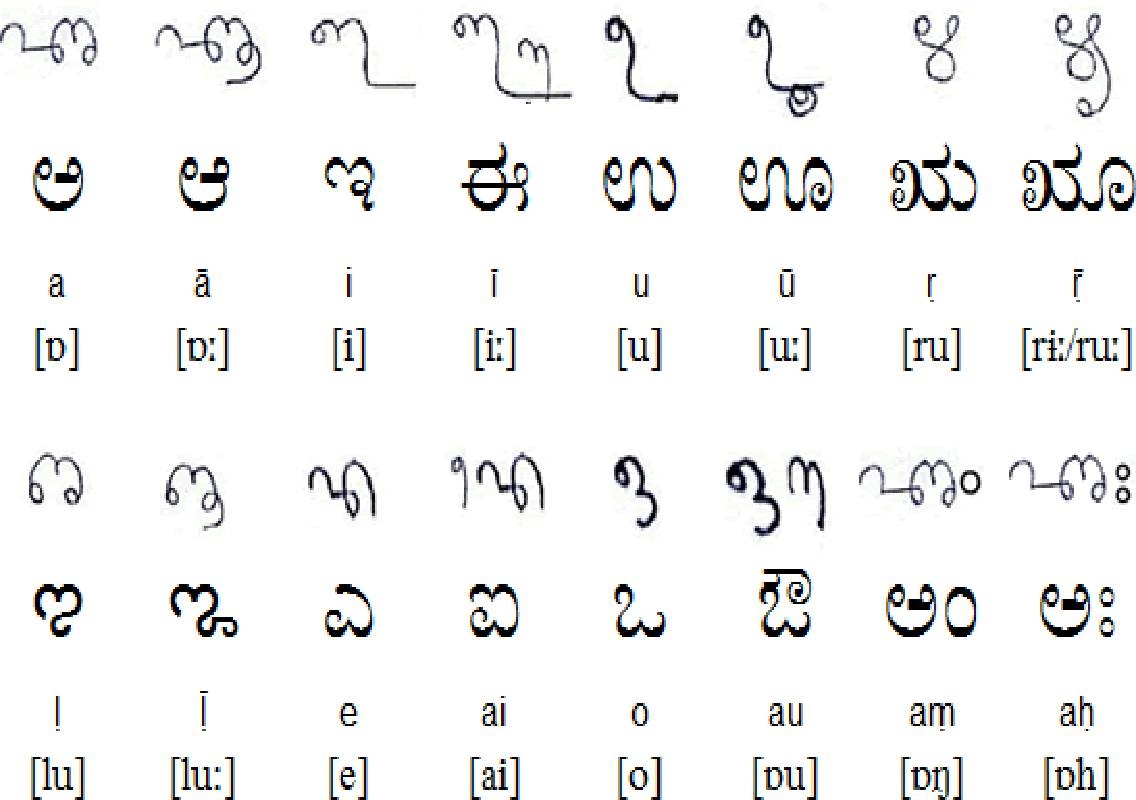
The keyboard supports Tulu letters and numbers as well as gunithakshara and votthakshara, allowing users to create words using the characters and combinations required by the script.
Users can activate the keyboard after installing or updating the Baravu Saravu application by selecting the “New Keyboard” option in the app.
Once enabled, the keyboard can be used while communicating through other applications on the phone.
The developers said the objective was to make the Tulu script practical for everyday digital communication rather than limiting it to educational or archival use.
Developed in about two weeks
Harshith Devadiga said the development team created the keyboard in about two weeks.
The project builds on an earlier Tulu learning application developed by the team around three years ago. That application was designed to help users learn the Tulu language and its script.
One of the technical challenges during the development of the keyboard was mapping the Tulu font correctly to the keyboard layout.
The developers used Flutter for the application development and Firebase for the backend.
Correct character mapping was particularly important because users need to be able to identify and enter Tulu-script characters accurately while typing on a small smartphone screen.
App also supports Tulu learning
The Baravu Saravu app is not limited to the keyboard.
It includes learning resources designed to help people understand and practise Tulu script. The application contains a Tulu dictionary, basic sentences and audio-based learning material.
It also includes heritage photographs, adding a cultural component to the language-learning platform.
Users can suggest new Tulu words for inclusion in the dictionary. The suggested words are reviewed before being added to the resource.
Banashri Avinash, who contributed Tulu-script learning content and videos to the application, said the platform also provides tools for people interested in learning and practising the traditional script.
The combination of learning resources and a keyboard could help users move from studying the script to using it in everyday communication.
Aim to strengthen Tulu’s digital presence
The launch comes at a time when efforts to increase the use of Tulu in digital communication have gained momentum.
Sharath Kodavoor, a founding member of Jai Tulunad, said the initiative aimed to bring the CIIL-approved Tulu script into the digital space.
He also stressed the importance of accurate character mapping so that users do not become confused while learning or typing the script.
The availability of a dedicated keyboard means Tulu users can now create messages and other digital content directly in the script instead of depending entirely on transliteration or another script.
This could be particularly useful for social media, messaging platforms, digital learning and the creation of Tulu-language content.
Unicode recognition opened new possibilities
The development of a Tulu-script keyboard follows the inclusion of the Tulu-Tigalari script in the Unicode Standard.
The Unicode Consortium added Tulu script characters in Unicode 16 in 2024. The update included 80 characters and was seen as an important milestone for efforts to expand the digital use of the script.
Unicode support allows digital platforms and software developers to represent Tulu characters in a standardised manner.
It also creates the technical foundation for developing fonts, keyboards and other digital tools that can support the script.
The Unicode development was the result of years of work by Tulu scholars and language enthusiasts. Efforts to develop a digital standard for Tulu had gained momentum through initiatives including Tulu Wikipedia and work by the Tulu Academy to finalise the characters.
The inclusion of Tulu-Tigalari in Unicode has therefore provided an important technological foundation for initiatives such as dedicated keyboard applications.
Digital tools could help younger users
For a language with a strong oral tradition, making the traditional script easier to use on smartphones could have wider cultural implications.
Young people increasingly communicate through messaging applications and social media. A convenient Tulu keyboard could make it easier for them to use the language in its traditional script rather than switching to Kannada, English or Latin-script transliteration.
The availability of learning tools within the same application could also encourage beginners to practise the script while communicating with family and friends.
Digital content created using the script can additionally contribute to the availability of Tulu-language material online.
iOS version planned
The Kural Tulu Touch keyboard is currently available on Android-based platforms.
The developers have said they plan to release an iOS version in the future, which would expand access to users of Apple devices.
The planned expansion could make the keyboard accessible to a larger section of Tulu speakers and learners, particularly those who use smartphones as their primary means of digital communication.
For now, Android users can access the keyboard through the Baravu Saravu app and use it in applications that support third-party keyboards.
A step towards preserving Tulu online
The launch represents a combination of language preservation and digital technology.
Tulu is spoken mainly in the coastal regions of Karnataka and Kerala, particularly in areas associated with Tulu Nadu. The language also has speakers living in other parts of India and abroad.
The 2024 Unicode recognition had already made it easier to represent Tulu script digitally. Dedicated tools such as Kural Tulu Touch can build on that foundation by making actual day-to-day typing more accessible.
The availability of a keyboard, dictionary, learning material and audio resources in one platform could help bridge the gap between traditional language knowledge and modern digital communication.
Conclusion
Mangaluru’s Tulu-speaking community now has access to a dedicated Android keyboard that allows users to type directly in Tulu script. Kural Tulu Touch, developed by Harshith Devadiga and Chaithra Poojary, supports letters, numbers, gunithakshara and votthakshara and can be used across applications such as WhatsApp.
The keyboard builds on wider efforts to strengthen Tulu’s digital presence following the inclusion of the Tulu-Tigalari script in Unicode. With a dictionary and learning resources also available through the Baravu Saravu app, the initiative could help more users learn, practise and use Tulu script in everyday digital communication.