









Mysuru: At a time when concerns over energy security, water conservation and environmental sustainability are growing, the Centre for Renewable Energy and Sustainable Technology (CREST) at the National Institute of Engineering (NIE), Mysuru, is demonstrating a range of innovative technologies aimed at reducing dependence on conventional resources and promoting sustainable living.
As part of World Environment Month celebrations, CREST has been showcasing practical models and real-world applications of renewable energy, rainwater harvesting, waste management and sustainable building technologies. The centre’s initiatives are already being implemented across Karnataka, benefiting industries, institutions, tribal communities and public establishments.
Rainwater harvesting helps industries reduce water dependence
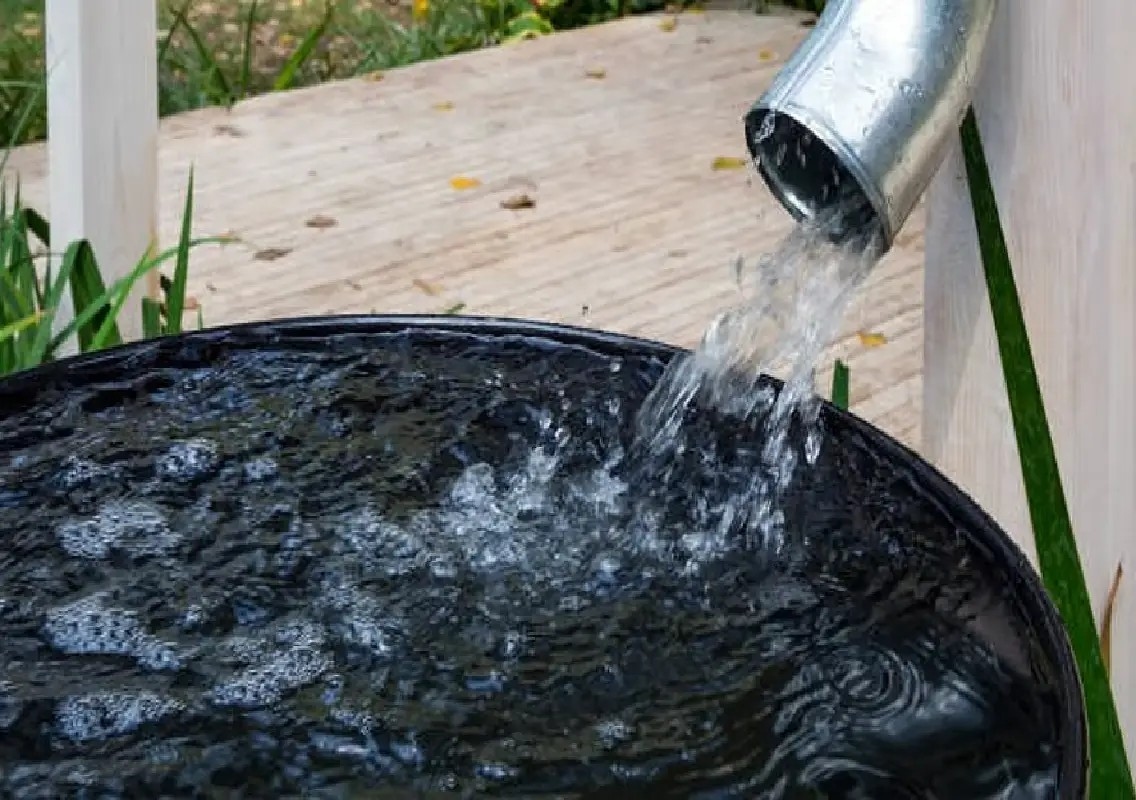
One of the major technologies being highlighted is the large-scale rainwater harvesting (RWH) system developed for industrial use.
According to S Shamsundar, Head of NIE-CREST, the centre has assisted two major beer manufacturing companies in establishing rainwater harvesting ponds within their campuses, significantly reducing dependence on river and groundwater sources.
He said one brewery in Mysuru requires approximately 16 lakh litres of water every day. To meet part of this demand sustainably, an 85 lakh-litre-capacity rainwater harvesting pond has been established within its 60-acre campus. The pond fills around ten times annually, enabling the company to harvest nearly 8.5 crore litres of water every year.
Similarly, another brewery in Nanjangud with a daily requirement of around 8 lakh litres has constructed a 35 lakh-litre-capacity rainwater harvesting pond on its 30-acre campus. The facility helps harvest approximately 3.5 crore litres of water annually.
Shamsundar said these interventions have reduced the companies’ dependence on the Cauvery and Kabini rivers, as well as groundwater sources, by nearly 30 per cent.
Apart from industries, CREST has also helped establish rainwater harvesting systems at prominent locations including Mysuru Palace, Karnataka Silk Industries Corporation (KSIC), the Administrative Training Institute and NIE hostels.
Renewable microgrids power remote tribal hamlets
CREST is also exhibiting a model of a renewable energy-based microgrid system that has been successfully deployed in remote villages lacking reliable electricity access.
The system combines locally available renewable energy resources such as solar, biomass, hydel and wind energy to provide a stable power supply in areas where conventional grid connectivity is unavailable or unreliable.
One such microgrid plant generates around 35 kilowatt-hours of electricity per day and supplies power to 75 houses in Billenahosalli and Lakshmipura tribal hamlets in Hunsur taluk.
Another installation provides electricity to 14 houses and two streetlights in Hemmige hamlet, ensuring access to basic lighting and mobile phone charging facilities.
According to CREST officials, such decentralised energy systems can play a significant role in improving the quality of life in remote rural and tribal regions.
Compact biogas units convert waste into energy
The centre has also developed compact biogas systems that utilise kitchen waste to generate renewable fuel.
The biogas units, built using 750-litre and 1,000-litre PVC tanks, can produce approximately 0.6 cubic metres of gas per day using just two kilograms of kitchen waste.
At CREST, food waste generated from hostel and canteen kitchens is used as feedstock for the plant. The gas produced is utilised for cooking purposes, while the residual slurry is used as organic manure for gardens and plants.
The centre has installed around 60 such units across Karnataka, including at the railway workshop in Mysuru, NIE boys’ hostel and several institutional campuses.
Larger biogas facilities have also been established, including a 1.5-tonne-per-day capacity plant at Mysuru Zoo and a one-tonne-per-day unit at Chikkalli, where the generated gas is also used for electricity production.
Fuel-efficient biomass stoves improve energy use
Another technology showcased by CREST is a fuel-efficient biomass cooking stove constructed using locally available materials such as bricks and red soil.
According to Shamsundar, the stove improves thermal efficiency by around 40 per cent while reducing firewood consumption. It requires only about 1.2 kilograms of firewood per day for operation.
Such stoves are particularly suitable for hostels, hotels, canteens and community kitchens. One of these systems has already been installed at the Dasoha Bhavan on Chamundi Hill.
The technology is aimed at reducing fuel costs while promoting cleaner and more efficient biomass utilisation.
Promoting sustainable living solutions
In addition to renewable energy systems, CREST is showcasing several sustainable technologies including aerobic composting units, organic vegetable cultivation systems, solar energy applications and eco-friendly building materials.
Visitors can learn about solar power plants, solar cookers, parabolic solar cookers, solar dryers, biofuels and sustainable construction technologies such as stabilised compressed earth blocks.
The centre also provides guidance and technical support to individuals, institutions and organisations interested in adopting environmentally sustainable practices.
Open year-round for public guidance
CREST officials have encouraged students, researchers, industries and members of the public to visit the centre throughout the year to gain knowledge about renewable energy and sustainability solutions.
With growing concerns over climate change, energy shortages and water scarcity, the technologies being demonstrated offer practical and scalable solutions that can contribute to long-term environmental conservation and resource management.
Conclusion
Through its innovative projects in rainwater harvesting, renewable energy, waste management and sustainable construction, NIE-CREST is demonstrating how technology can address pressing environmental challenges. By promoting locally adaptable and cost-effective solutions, the centre continues to support Karnataka’s transition towards a more sustainable and resource-efficient future.
NIE-CREST showcases sustainable technologies to address energy and water challenges
#Mysuru #RenewableEnergy #Sustainability #KarnatakaNews #NewsKarnataka