


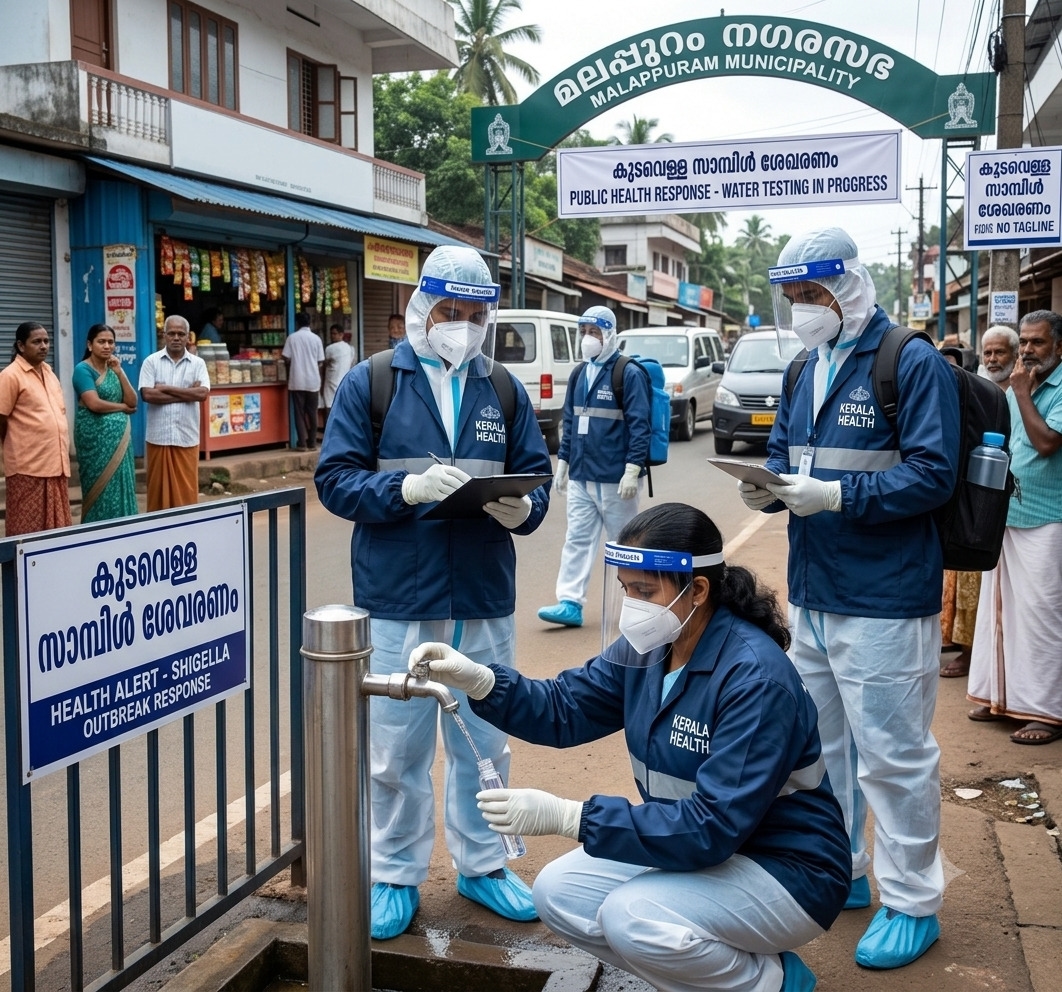


Malappuram: Health authorities in Keralam have intensified surveillance and preventive measures after Shigella infections were reported from three areas of Malappuram district. The district has recorded 75 cases so far this year, prompting officials to strengthen food safety inspections, restrict public feasts in affected areas and issue urgent advisories on safe drinking water and personal hygiene.
District Medical Officer Dr V Vinod said eight of the 75 cases were linked to infected individuals. The latest infections have been reported from Areekode, Pulpatta and Edavanna.
Following the reports, the district-level Rapid Response Team convened an emergency meeting to assess the situation and coordinate steps to prevent further transmission. The Health Department has also joined hands with the Local Self-Government Department and the Food Safety wing to intensify inspections.
Residents have been asked to take precautions while handling food and water, particularly in areas where infections have been detected. Officials have warned that the bacterial infection can spread through contaminated food and water and may cause serious complications if treatment is delayed.
What is Shigella infection and how does it spread?
Shigella is a bacterial infection that causes diarrhoeal illness. It primarily affects children but can infect people across age groups.
According to Dr Vinod, the bacteria can spread through contaminated drinking water, stale food and food that has not been cooked adequately. Direct or indirect contact with the faeces of an infected person can also transmit the infection.
Poor sanitation and inadequate hand hygiene can increase the risk of transmission. The bacteria may spread when contaminated hands come into contact with food, drinking water or surfaces used by others.
An important concern is that infected children who do not show visible symptoms may also transmit the bacteria through their stools. This makes hygiene practices and sanitation particularly important in households, schools and other places where children gather.
The latest cases in Areekode, Pulpatta and Edavanna have therefore prompted officials to focus not only on treating infected people but also on identifying possible sources of contamination and preventing further spread.
Symptoms usually appear within one or two days
Symptoms of Shigella infection generally develop within one or two days after exposure to the bacteria.
The common symptoms include:
- Diarrhea, which may contain blood or pus.
- Severe abdominal pain and stomach cramps.
- Fever.
- Vomiting.
- Dehydration.
The presence of blood or pus in stools is a particularly concerning symptom and should not be ignored. Persistent diarrhea and vomiting can also cause dehydration, especially among young children.
Dr Vinod has warned that delayed treatment can lead to serious complications. In severe cases, the infection may affect organs such as the brain and kidneys and can even become life-threatening.
Parents and caregivers have been advised to watch for symptoms in children and seek medical attention promptly. Officials have also cautioned against relying on self-medication when signs of infection appear.
Food safety inspections intensified in affected areas
The Health Department, Local Self-Government Department and Food Safety wing will jointly inspect establishments involved in the manufacture, storage and distribution of food.
The inspections are intended to identify possible violations of food safety regulations and reduce the risk of contaminated food reaching consumers.
Authorities have warned that strict legal action will be taken against establishments found violating safety requirements. Food handling, storage conditions and hygiene practices are expected to come under scrutiny as part of the preventive response.
Public feasts have also been banned in the affected areas as a precautionary measure. Such gatherings can increase the risk of infections spreading when food preparation, storage and serving practices are inadequate.
The restrictions are part of the district’s effort to limit possible exposure while health officials assess the situation and strengthen surveillance.
Residents advised to use boiled drinking water
Officials have issued specific instructions on drinking water safety and food preparation.
Residents have been advised to use only boiled and cooled water for drinking and cooking. Water sources should be chlorinated regularly to reduce the possibility of bacterial contamination.
People have also been urged to consume freshly prepared and thoroughly cooked food. Stale food, uncovered food and food purchased from outside should be avoided as far as possible.
Fruits and vegetables must be washed thoroughly before consumption. Food should be kept covered to prevent contamination by flies and other insects.
The department has emphasised that even routine food preparation requires care during an infection outbreak. Residents should ensure that drinking water is safe and that food is stored and handled hygienically.
Handwashing and sanitation are essential
Hand hygiene is another key part of the preventive measures announced by health authorities.
People have been advised to wash their hands properly with soap:
- Before eating.
- Before preparing or handling food.
- After using the toilet.
These practices can help prevent the transfer of bacteria from contaminated hands to food and drinking water.
Maintaining clean surroundings and proper sanitation is equally important. Households should pay attention to toilet hygiene and ensure that waste is disposed of safely.
Since Shigella can spread through contact with infected faeces, preventing contamination of water sources, food and commonly touched surfaces is essential.
What to do if diarrhea develops
People who develop diarrhea should take steps to prevent dehydration while seeking appropriate medical advice.
The Health Department has recommended giving affected individuals oral rehydration solution (ORS), salted rice gruel or tender coconut water to help replace lost fluids.
Dehydration can become particularly serious in young children and people experiencing repeated episodes of diarrhea or vomiting. Caregivers should therefore monitor affected individuals closely and seek medical attention without delay.
Residents have been specifically advised not to resort to self-medication. Anyone experiencing symptoms associated with Shigella infection should consult a healthcare professional for assessment and treatment.
Authorities step up efforts to prevent further spread
The 75 reported cases this year have prompted a coordinated response involving health officials, local government authorities and food safety teams. The latest infections in three areas have made surveillance and preventive action a priority for the district administration.
While inspections and restrictions are being strengthened, public cooperation will be important in controlling transmission. Safe drinking water, properly cooked food, regular handwashing and timely medical care remain central to preventing further infections.
Health authorities have urged residents to follow the advisories carefully and report symptoms promptly. With particular attention needed for children and other vulnerable individuals, early detection and hygiene measures will be crucial in containing the spread of Shigella in Malappuram.