







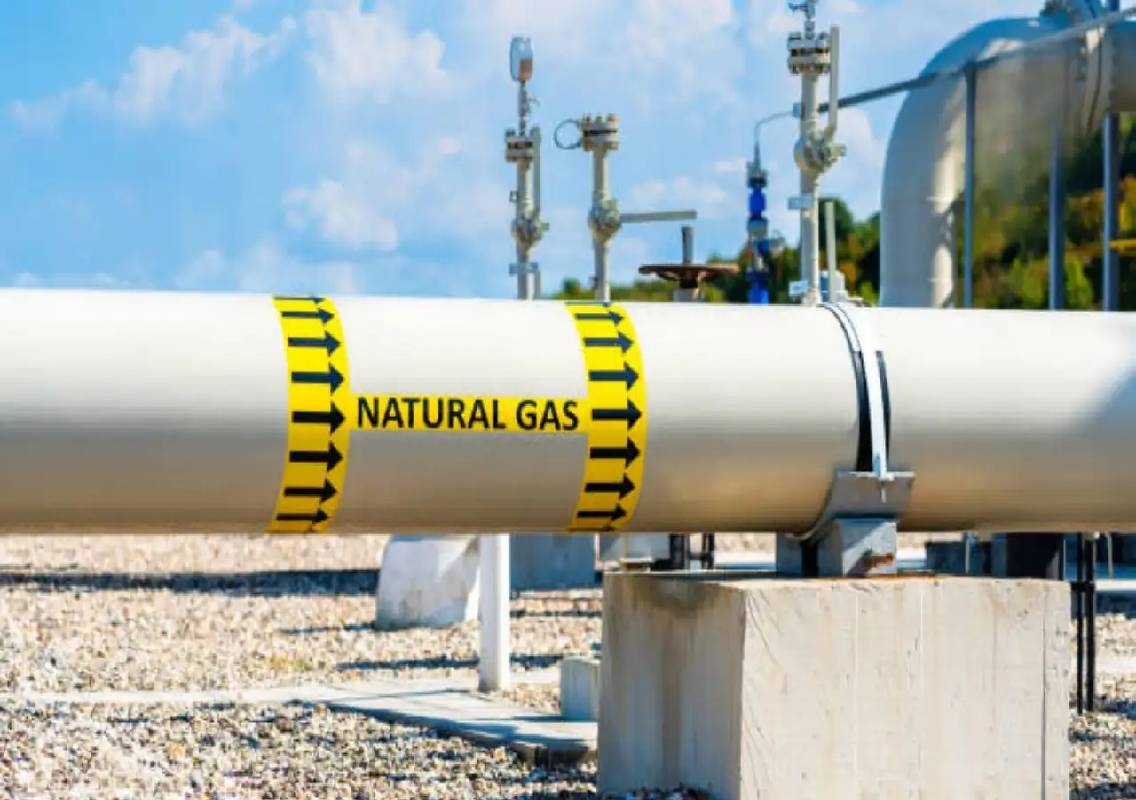


New Delhi: As geopolitical tensions continue to expose vulnerabilities in global energy supply chains, India is revisiting a long-discussed strategic project that could significantly strengthen its energy security. The proposed Oman-Gujarat Deep-Sea Gas Pipeline, estimated to cost around ₹40,000 crore, aims to establish a direct natural gas connection between Oman and India’s western coast through a nearly 2,000-kilometre subsea pipeline beneath the Arabian Sea.
The project, first conceived more than three decades ago, is once again drawing attention amid concerns over disruptions in maritime energy routes and rising volatility in international energy markets.
Why the project has regained importance
India imports a substantial portion of its energy requirements, with much of its crude oil and natural gas supplies originating from Gulf countries. These supplies largely pass through the Strait of Hormuz, one of the world’s most critical energy chokepoints.
Any disruption in this route can affect fuel availability, shipping costs and domestic energy prices. Recent developments in West Asia have highlighted the risks associated with relying heavily on maritime transportation for energy imports.
Supporters of the pipeline argue that a direct subsea connection would provide India with a dedicated and relatively secure supply channel for natural gas, reducing exposure to shipping disruptions and geopolitical uncertainties.
A technically ambitious undertaking
Often referred to as the Middle East-India Deepwater Pipeline, the proposed infrastructure would rank among the deepest subsea energy pipelines ever attempted.
The route is expected to pass through sections of the Arabian Sea exceeding 3,000 metres in depth. Constructing and maintaining a pipeline under such conditions would require advanced engineering solutions capable of handling extreme underwater pressure and complex seabed terrain.
Industry estimates suggest transportation costs could range between $2 and $2.25 per MMBtu, although final costs will depend on financing arrangements, construction expenses and future gas market conditions.
The project has been promoted for years by South Asia Gas Enterprise (SAGE), which says it has already completed technical assessments, financial studies and seabed surveys to evaluate feasibility.
Government evaluating feasibility
Recent reports indicate that the Petroleum Ministry has asked major state-owned energy firms, including GAIL, Engineers India Limited and Indian Oil Corporation, to prepare a detailed feasibility report based on an earlier pre-feasibility assessment.
A positive evaluation could pave the way for formal discussions with Oman regarding gas supply agreements, financing structures and implementation timelines.
Potential benefits for India
Enhanced energy security
A direct pipeline could reduce India’s dependence on vulnerable shipping routes and provide a stable supply of natural gas even during periods of geopolitical instability.
Lower logistical complexity
Unlike liquefied natural gas (LNG), pipeline gas does not require liquefaction, transportation in specialised vessels or regasification terminals, potentially improving supply efficiency.
Stronger India-Gulf ties
The project could deepen strategic and economic cooperation between India and Gulf nations while creating a long-term energy partnership.
Support for cleaner energy goals
Natural gas is considered a transition fuel in India’s clean-energy strategy. Reliable access to imported gas could support industrial growth while helping reduce dependence on more carbon-intensive fuels.
Major hurdles remain
Despite its strategic appeal, significant challenges continue to surround the proposal.
Engineering complexity
Building and maintaining infrastructure at depths of around 3,000 metres presents substantial technical risks. Any repairs or maintenance work could be expensive and difficult.
Financial viability
With an estimated investment of ₹40,000 crore, investors will seek assurances regarding long-term returns, gas demand projections and pricing stability.
Funding and commercial agreements
The project’s success depends on securing financing, finalising supply contracts and establishing cost-sharing mechanisms among stakeholders.
Long implementation timeline
Even if approved, the pipeline would likely require years of planning, regulatory clearances and construction before becoming operational.
Conclusion
The Oman-Gujarat Deep-Sea Gas Pipeline has the potential to become a strategic asset for India’s energy security by providing a direct and stable source of natural gas from the Gulf. While the project could help reduce vulnerability to geopolitical disruptions and strengthen long-term energy resilience, its future will ultimately depend on whether the technical, financial and commercial challenges can be successfully addressed.