


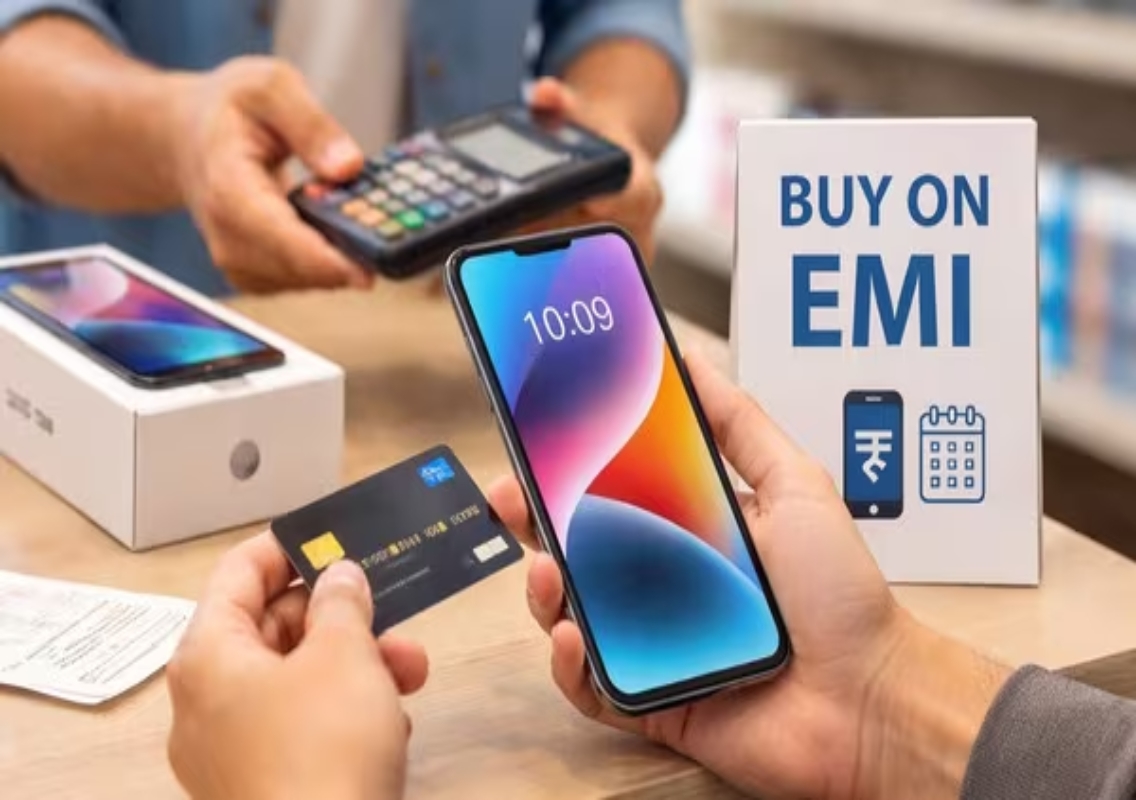


New Delhi: Consumer-durable loan applications in India increased 22% during the Diwali festive season of 2026, with rural markets accounting for 58% of applications, highlighting the growing role of credit in festive purchases beyond metropolitan cities.
The findings are based on Diwali 2026 analysis by Lentra, a digital lending technology company. Its data cover the period from November 1 to 9 and show that rural consumers generated a larger share of consumer-durable loan applications than their urban counterparts.
Urban markets accounted for the remaining 42% of applications. Tier 3 towns also recorded more applications than major metropolitan centres, pointing to a wider geographical spread of credit-backed consumer spending.
Mobile phones dominated the financing demand, accounting for 74% of consumer-durable loan applications nationwide. The data also showed differences in product preferences across states, with demand for televisions, refrigerators and washing machines varying by region.
Rural markets account for 58% of applications
The rural contribution was one of the most notable findings in Lentra’s analysis. Rural India accounted for 58% of consumer-durable loan applications, compared with 42% from urban markets.
The figures indicate that festive financing activity is not restricted to large cities. Smaller towns and rural markets are becoming important sources of demand for loans used to purchase consumer electronics and household appliances.
Tier 3 towns also recorded more applications than metropolitan cities. This suggests that lenders and retailers seeking to expand their consumer-durable financing businesses may need to pay greater attention to customers outside the country’s largest urban centres.
The average consumer-durable loan ticket size was estimated at Rs 28,000, indicating the typical scale of purchases being financed through these loans.
However, the figures represent loan applications and should not be interpreted as the number of loans approved or disbursed. They also do not establish how much additional household debt was ultimately taken on during the festive season.
Mobile phones dominate festive borrowing
Mobile phones were the most financed consumer-durable category during Diwali 2026, accounting for 74% of applications across the country. The remaining 26% covered other products, including televisions and household appliances.
The preference for smartphones was particularly strong in western India. Gujarat recorded an 86% share of mobile-phone applications, while Rajasthan followed with 82%.
The national average stood at 74%, making both states prominent markets for mobile-phone financing.
The concentration of applications in this category reflects the importance of smartphones in the consumer-durable financing market. The data, however, do not separately establish whether applications were driven by first-time purchases, replacement devices or upgrades to more expensive models.
Young consumers lead loan applications
The age profile of applicants showed that younger consumers accounted for a substantial share of festive borrowing activity.
According to Lentra, 62% of consumer-durable loan applicants during the period were below 35 years of age. The 22-35 age group emerged as the typical borrower segment.
Men aged 22-25 were particularly prominent in mobile-phone financing, according to the analysis. This points to the importance of younger customers in the market for credit-funded electronics purchases.
The findings also showed differences in borrowing patterns by gender and location. Women accounted for 31% of consumer-durable buyers in urban markets, compared with 24% in rural areas.
Women above 35 showed a stronger preference for financing household appliances, while mobile phones were a prominent category among male applicants.
These differences suggest that consumer financing preferences vary according to age, gender and location rather than following a uniform national pattern.
Southern states show stronger television demand
Although mobile phones dominated the national figures, demand for other consumer durables differed considerably across states.
Telangana recorded the highest share of LED television applications, at 13.6%. Tamil Nadu followed with 12.4%. The national average for LED televisions was 7.4%.
Refrigerators featured more prominently in West Bengal, Karnataka and Madhya Pradesh. They accounted for 6.8% of consumer-durable loan applications in West Bengal, 6.6% in Karnataka and 6.1% in Madhya Pradesh. The national average was 4.6%.
The figures place Karnataka among the states with a relatively higher share of refrigerator financing applications during the festive period.
The differences across states highlight how local purchasing preferences influence the consumer-durable credit market. While smartphones remained the leading category nationally, household appliances represented a more significant share of applications in several regional markets.
Washing machines and other appliances show regional demand
Washing machines were a prominent category in northern India. Punjab recorded a 15% share of consumer-durable loan applications for washing machines, compared with 8.3% in Haryana and 6% in Delhi.
The national average for the category was 4%, placing Punjab well above the overall figure.
Air-conditioner financing was more prominent in Andhra Pradesh, where the category accounted for 6% of applications. The national share was 2.4%.
Maharashtra recorded a relatively higher share of applications for audio systems, at 2.1%, compared with the national average of 1.6%.
Inverters and batteries also featured in the borrowing mix, particularly in Bihar and Uttar Pradesh. They accounted for 1.3% and 1.1% of applications in the two states, respectively, against a national average of 0.6%.
These figures demonstrate that the composition of festive financing varies across regions. Household requirements and local preferences appear in the product categories consumers choose to finance.
Lentra highlights changing festive credit demand
Lentra CEO Rajesh Kumar said the figures reflected the growing contribution of rural markets and Tier 3 towns to festive consumer credit.
He noted that India’s festive shopping patterns were not uniform and that lenders needed to understand differences in demand across locations.
For financial institutions and retailers, the increase in applications presents an opportunity to reach consumers beyond metropolitan markets. However, the data also underline the importance of assessing borrowers’ requirements and repayment capacity when offering credit.
What the Diwali loan figures indicate
The 22% increase in consumer-durable loan applications points to stronger demand for credit-backed purchases during the 2026 festive season. Rural markets accounted for the majority of applications, while consumers below 35 represented 62% of applicants.
Mobile phones remained the leading financed product, but the state-level figures revealed distinct preferences for televisions, refrigerators, washing machines and other appliances.
The findings offer a snapshot of how India’s festive consumption and financing markets are changing. While the growing contribution from rural areas and smaller towns creates opportunities for lenders, the number of applications alone does not reveal the final volume of loans approved, the repayment burden on households or the longer-term quality of the credit extended.