







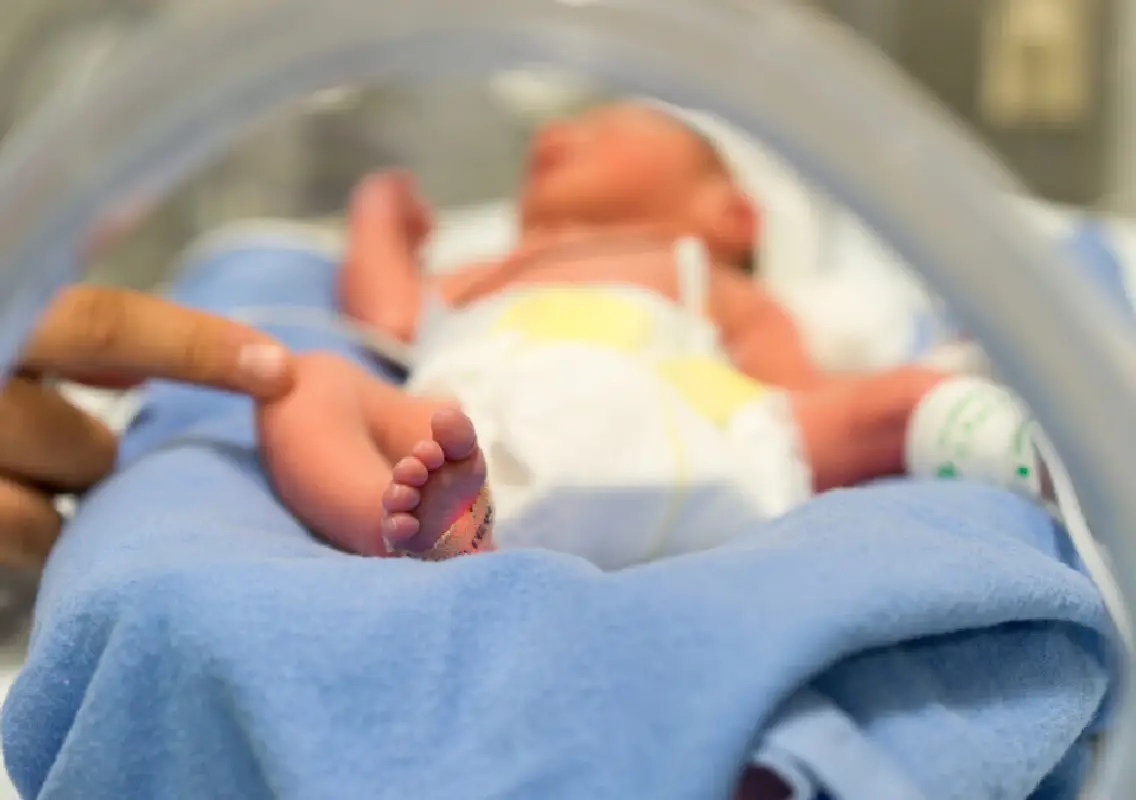


In 2005, the death of a twelve-day-old baby in Canada triggered a medical reckoning that continues to shape clinical practice worldwide. Tariq Jamieson’s passing, initially unexplained, led to sweeping changes in how doctors prescribe painkillers to breastfeeding mothers — changes now being re-examined amid growing scientific doubt.
An autopsy found no anatomical cause of death. However, later testing of a blood sample detected codeine and morphine. Tariq’s mother had been prescribed Tylenol No. 3, which contains codeine, following a difficult childbirth. Some bodies metabolise codeine into morphine, raising concerns about drug transfer through breast milk.
A landmark conclusion
The case was reviewed by paediatrician and toxicologist Gideon Koren, who concluded that Tariq died after ingesting morphine via his mother’s breast milk — described at the time as the first documented death of its kind. The findings were later published in The Lancet, warning that even low doses of codeine could be dangerous for breastfeeding infants if mothers carried certain genetic traits.
Regulators in North America and Europe responded swiftly, tightening guidelines on codeine use during breastfeeding. Doctors began avoiding codeine, often prescribing alternative opioids — some stronger and more addictive.
Science questioned years later
In the years that followed, however, other researchers raised concerns about the original conclusions. Some suggested that Tariq may have received the medication directly, rather than through breast milk. These doubts did not overturn policy changes, but they cast a long shadow over the evidence base that shaped them.
Re-examining the legacy
In a recent in-depth investigation, journalist Ben Taub revisited the case, examining medical records and speaking with researchers about its global impact. One expert told him that “the number of infants affected by this globally is now easily in the millions.”
The Jamieson family maintains that Tariq died due to morphine passed through breast milk. The case remains unresolved — a reminder of how a single tragedy can reshape medicine, and how vital it is that such decisions rest on the strongest possible evidence.