







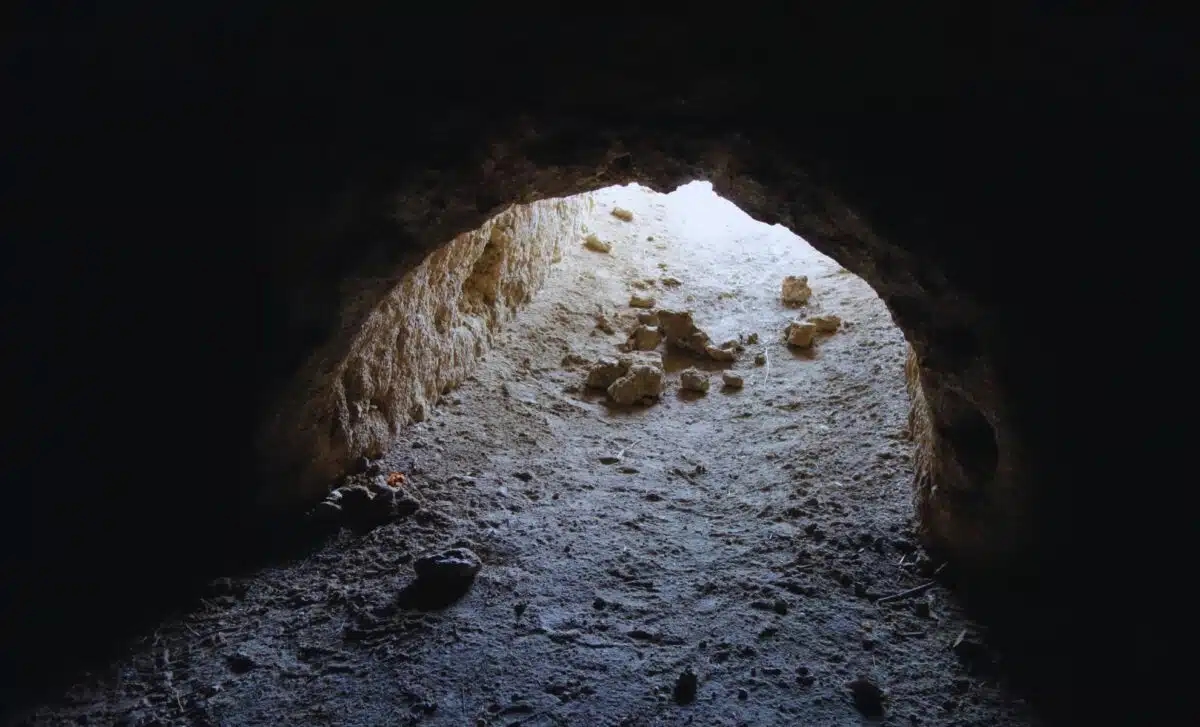


Massive underground tunnels discovered across parts of South America have drawn growing scientific interest, as their size and structure do not align with any known human activity. Carved through rock and compacted soil, these tunnels stretch for tens of metres and, in some cases, much farther. Their smooth walls and consistent curvature suggest deliberate excavation rather than natural erosion.
Researchers now believe these structures were created not by early humans, but by prehistoric animals, opening new discussions about the role of extinct megafauna in shaping ancient landscapes during the late Pleistocene period.
Why these tunnels are unlike natural formations
Known as palaeoburrows, the tunnels have been found mainly in Brazil, Argentina and Uruguay. Many are several metres wide and tall enough for an adult human to walk through. Some extend over long distances, ruling out water flow or geological cracking as possible causes.
The inner walls show curved grooves and parallel markings that appear to have been made by claws, rather than tools or shifting earth. Importantly, there are no signs typically associated with human use—such as tool marks, fire remains or artefacts. Geological studies also indicate the tunnels were carved into materials that would have been manageable for powerful digging animals but extremely difficult for humans without tools.
Dating of surrounding rock layers places the tunnels tens of thousands of years old, predating sustained human presence in many of these regions.
Footprints point to extinct giant animals
The strongest evidence comes from fossilised footprints and claw impressions found inside and near tunnel entrances. These markings match what scientists know of giant ground sloths, a group of large, now-extinct mammals that once roamed South America.
The spacing and depth of the prints suggest slow movement and immense weight, consistent with species such as Lestodon and Glossotherium. Their large forelimbs and curved claws would have been well suited for digging through compacted sediments.
Notably, no mixed human and animal footprints have been found inside the tunnels, reinforcing the conclusion that these structures were excavated and used exclusively by animals.
Why giant ground sloths may have dug tunnels
Scientists believe the tunnels likely served as shelter, offering stable temperatures, protection from predators and relief during periods of climate stress. During colder or drier phases, underground refuges would have reduced energy loss and improved survival chances.
The depth and orientation of many palaeoburrows suggest they were designed to avoid flooding while maximising insulation. Repeated claw marks indicate the tunnels were used regularly, possibly across generations, rather than as short-term refuges.
Rethinking ancient ecosystems
These discoveries challenge long-held views that humans were the only large-scale modifiers of prehistoric environments. Instead, they point to extinct megafauna as active ecosystem engineers that influenced soil structure, water movement and even habitats for smaller species.
The findings also highlight the importance of trace fossils—such as footprints and claw marks—in understanding ancient behaviour, not just species presence. As more sites are studied, scientists are gaining a clearer picture of how megafauna shaped landscapes before their extinction.
Understanding these ancient systems may also inform modern conservation, by illustrating the ecological impact left behind when large animals disappear from ecosystems.