







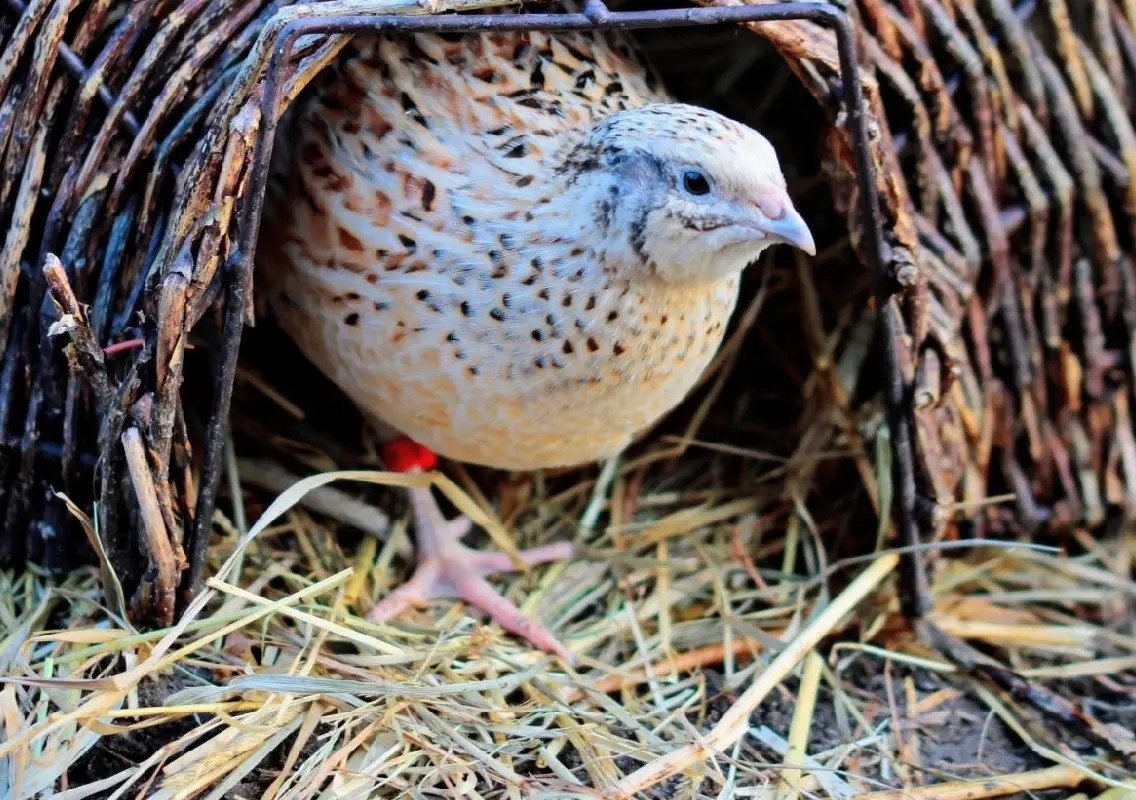


A new scientific study has found that female birds bred to invest more energy in reproduction may age faster and die younger, offering fresh evidence for a long-debated evolutionary theory.
The research, published in Proceedings of the Royal Society B, was led by scientists from the University of Exeter.
What researchers discovered
Scientists selectively bred Japanese quail into two groups — one laying relatively large eggs and the other laying smaller eggs.
Because quails provide little parental care after hatching, the egg itself is the mother’s main investment in offspring survival.
Researchers found that females bred to lay larger eggs aged more quickly and lived around 20% shorter lives than those bred for smaller eggs.
Lifespan difference was striking
By the fifth and sixth generations of the study:
- Large-egg females lived an average of 595 days
- Small-egg females lived an average of 770 days
The findings suggest a clear biological trade-off between reproduction and longevity.
Why it matters
Scientists say all living organisms have limited energy and must balance resources between reproduction and body maintenance.
Higher reproductive effort may reduce immune strength, repair systems and long-term health.
Insight into ageing science
Researchers described the study as one of the first to test this theory through artificial selection in a vertebrate species.
The results may help scientists better understand ageing patterns across animals and even broader biological systems.
Nature’s hidden balance
The study reinforces a timeless principle of life: investing more in one area often comes at a cost somewhere else
#Science #Research #Wildlife #Ageing #Nature #newskarnataka